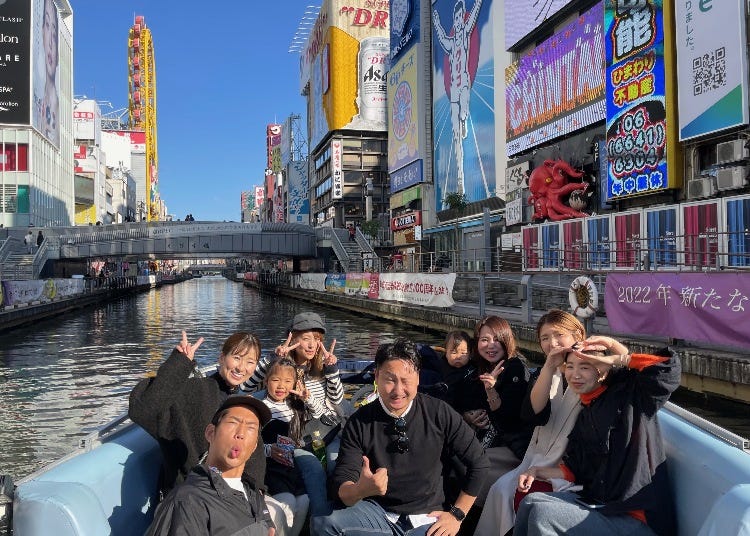
Dotonbori After Dark: Neon Signs and Night Illumination
When the sun sets over Minami, roughly 200 illuminated signs switch on along a 400-meter stretch of the Dotonbori Canal. The neon tradition here dates to the early 1900s, when theaters on the south bank hung electric signs to draw audiences to kabuki and bunraku performances. The practice survived wartime blackouts and postwar reconstruction, and today the canal facades form one of the densest concentrations of illuminated signage in Japan. The lights run from sunset, around 5:30 PM in winter, until 11:00 PM, with the peak brightness and crowd density hitting between 7:00 PM and 9:00 PM.
The History Behind the Glow
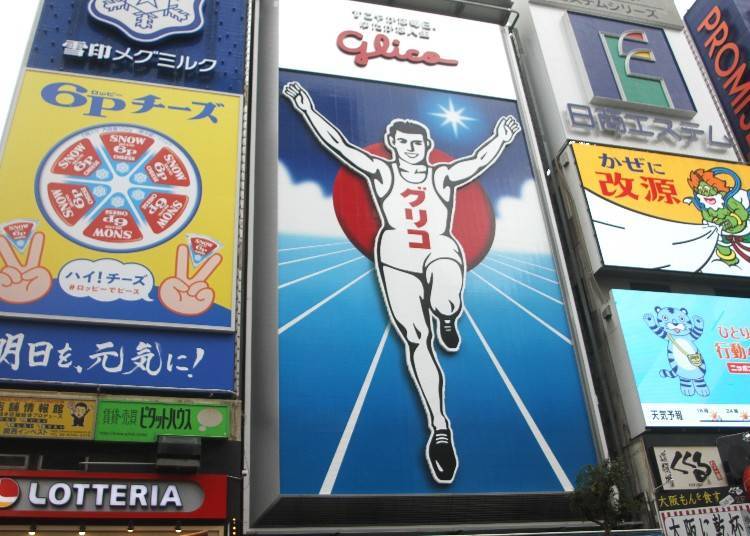
Dotonbori became an entertainment district in 1626, when the Tokugawa shogunate licensed theaters along the canal's south bank. By the 1920s, electric signs covered the theater facades, and the Glico runner, installed in 1935, was among the first corporate billboards to use the new medium. After World War II, restaurants adopted the oversized 3D signs as a way to communicate what they served to a population with varying literacy, a crab meant crab, a pufferfish meant fugu. The signs became a cultural fixture, and the city now regulates them as part of the Dotonbori landscape, requiring owners to maintain the moving mechanical displays that have made the canal famous.
Best Viewing Spots and Photo Tips
Ebisubashi Bridge gives the widest view, taking in the Glico sign, the Kani Doraku crab, and the Don Quijote Ferris wheel in one frame. The bridge gets crowded after 7:00 PM, so arrive by 6:00 PM to claim a spot at the railing. For reflections, walk down the steps to the Tombori River Walk on the north bank, where the canal surface catches the neon colors without the bridge railings in the frame. A tripod helps for long exposures, but the promenade railings work as a steady surface if you brace your phone or camera against them. The Glico sign changes its background animation every few minutes, cycling through Osaka Castle, cherry blossoms, and fireworks, so wait for the scene you want before pressing the shutter.
The Illumination Cruise and Night on the Water
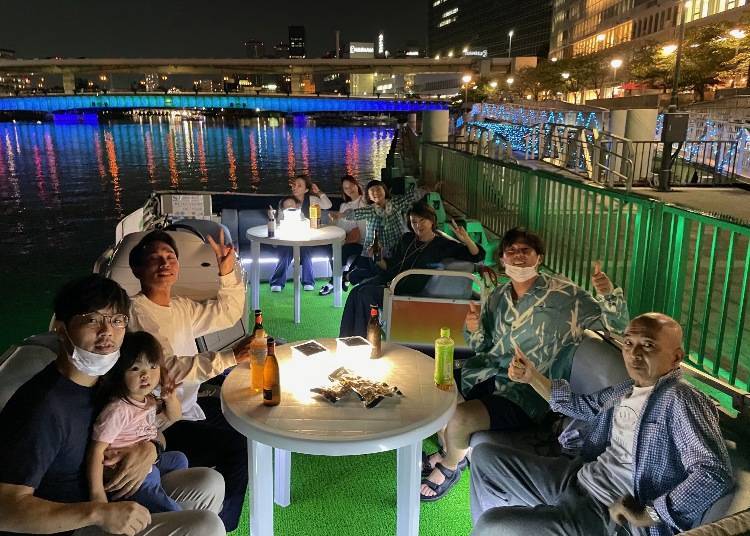
Indy Cruise runs a dedicated Illumination Cruise in December that passes the canal signs and continues to Nakanoshima, where the Osaka City Central Public Hall and riverside skyscrapers are lit for the season. The cruise departs Minatomachi Pier near Namba Station Exit 26-B, costs 3,300 JPY for adults, and lasts 60 minutes. The standard Tombori River Cruise also runs at night, with the last departure at 8:40 PM, and the 20-minute loop costs 900 JPY. The boat pauses in front of the Glico sign, and the crew will photograph passengers with the neon overhead.
Bars and the Late-Night Atmosphere
After the signs dim at 11:00 PM, the crowd shifts to the narrow lanes south of the canal. Soemoncho and Hozenji Yokocho hold standing bars where a draft beer costs 500 JPY and a shochu highball runs 400 JPY. Bar Kamo, tucked off Hozenji Yokocho, pours Japanese whisky flights starting at 1,500 JPY and stays open until 3:00 AM. For a quieter drink, the rooftop bar at the Cross Hotel Osaka, a five-minute walk from Ebisubashi, overlooks the canal from above the neon line and serves cocktails from 1,200 JPY. The Dotonbori area stays active until the last trains at 12:30 AM, and the izakaya around Sennichimae keep serving until 5:00 AM for those who miss the train.
Practical Details
- Address: Dotonbori, Chuo-ku, Osaka 542-0071
- Nearest Station: Namba Station (Midosuji Line), Exit 14, 3-minute walk
- Hours: Neon signs illuminate from sunset to 11:00 PM; bars open until 3:00 AM to 5:00 AM
- Price: Free to view; Illumination Cruise 3,300 JPY, standard night cruise 900 JPY, beers from 500 JPY
- Website: dotonbori.or.jp