Ken Suzuki
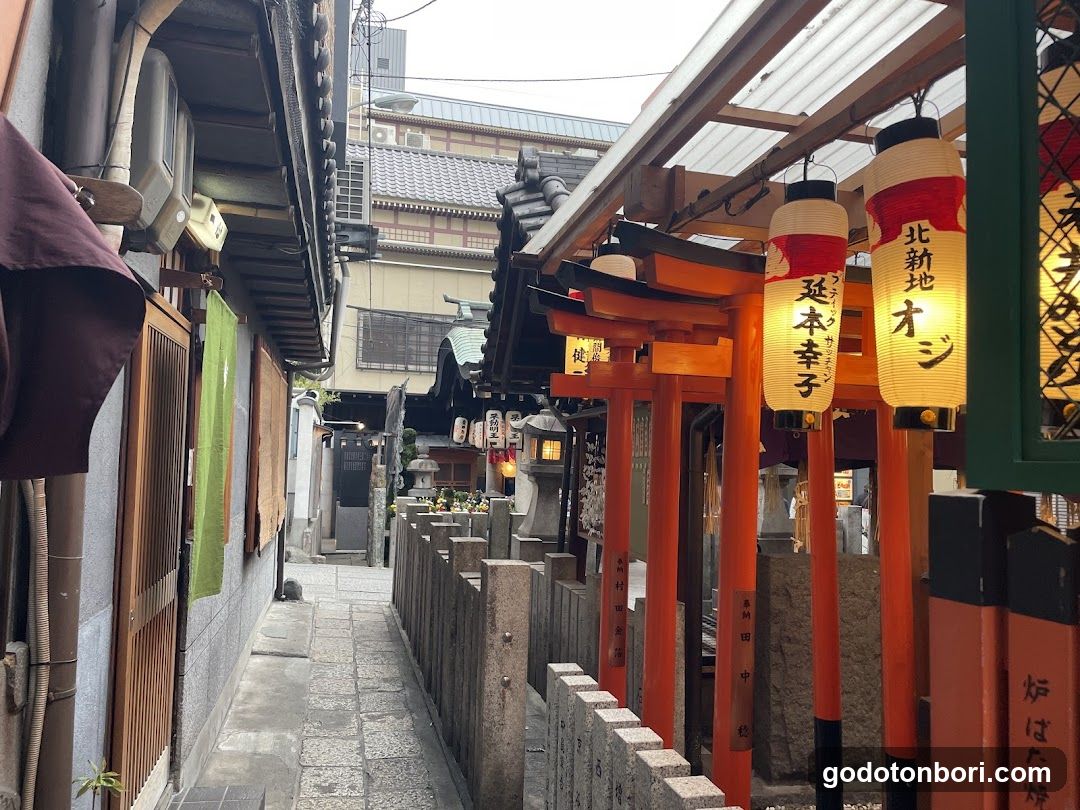
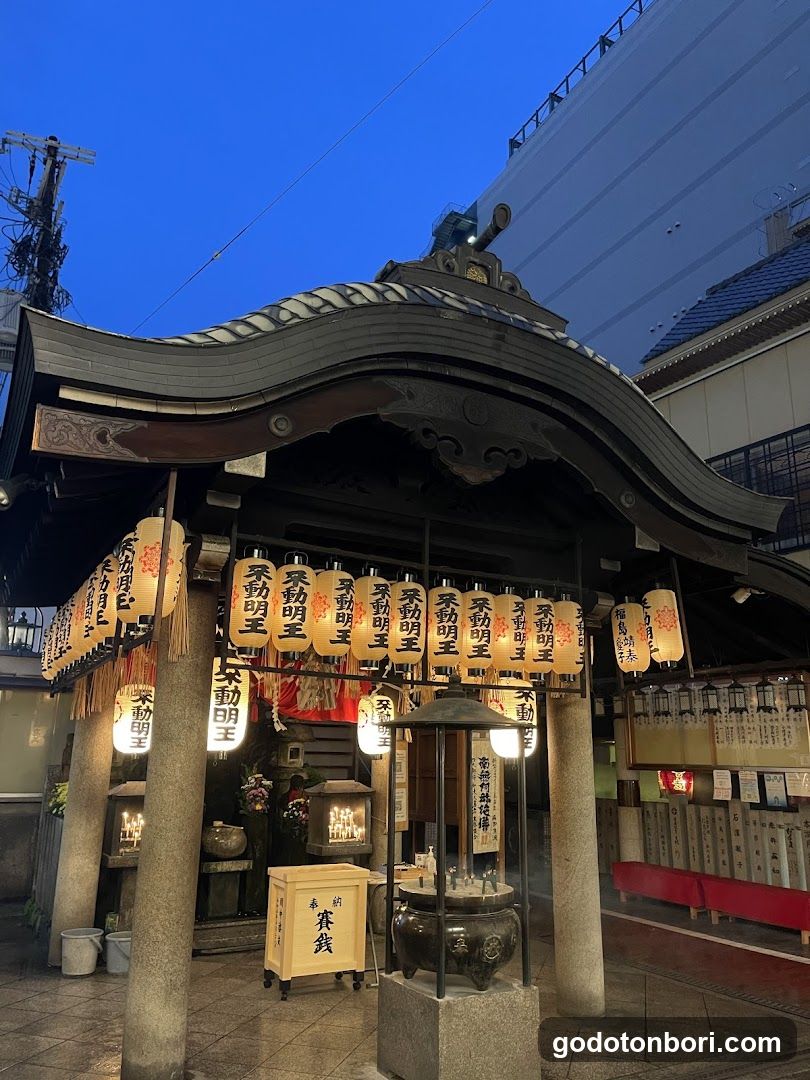
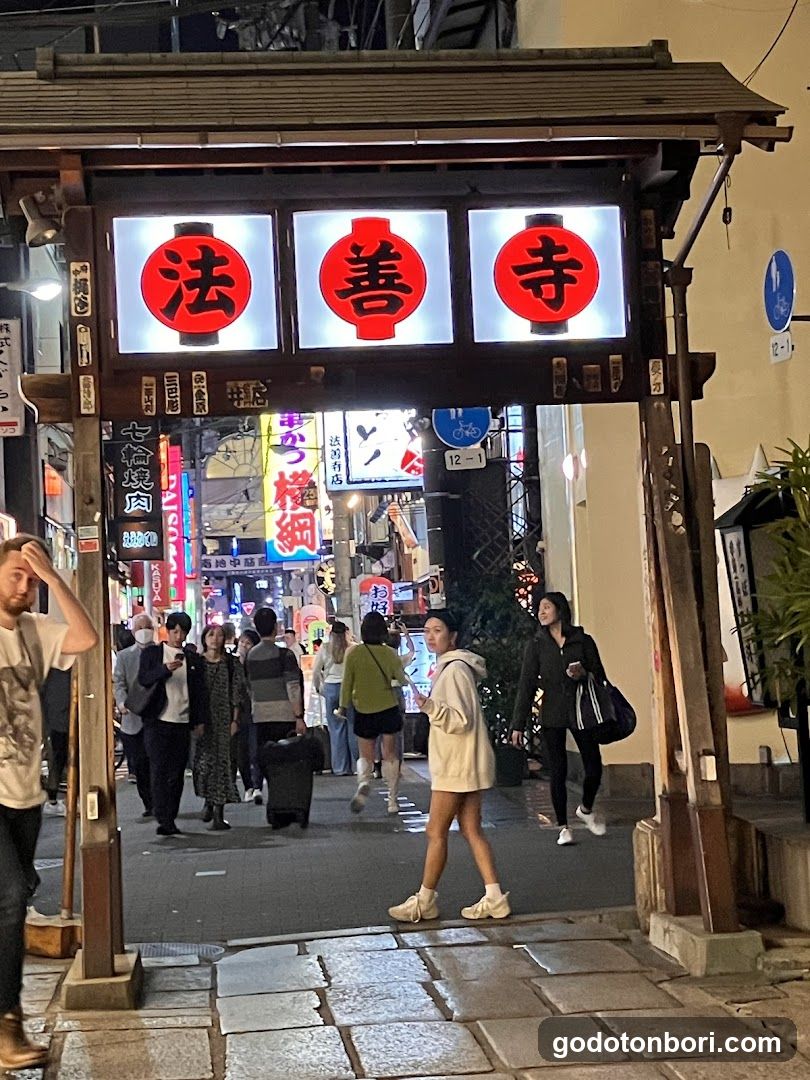
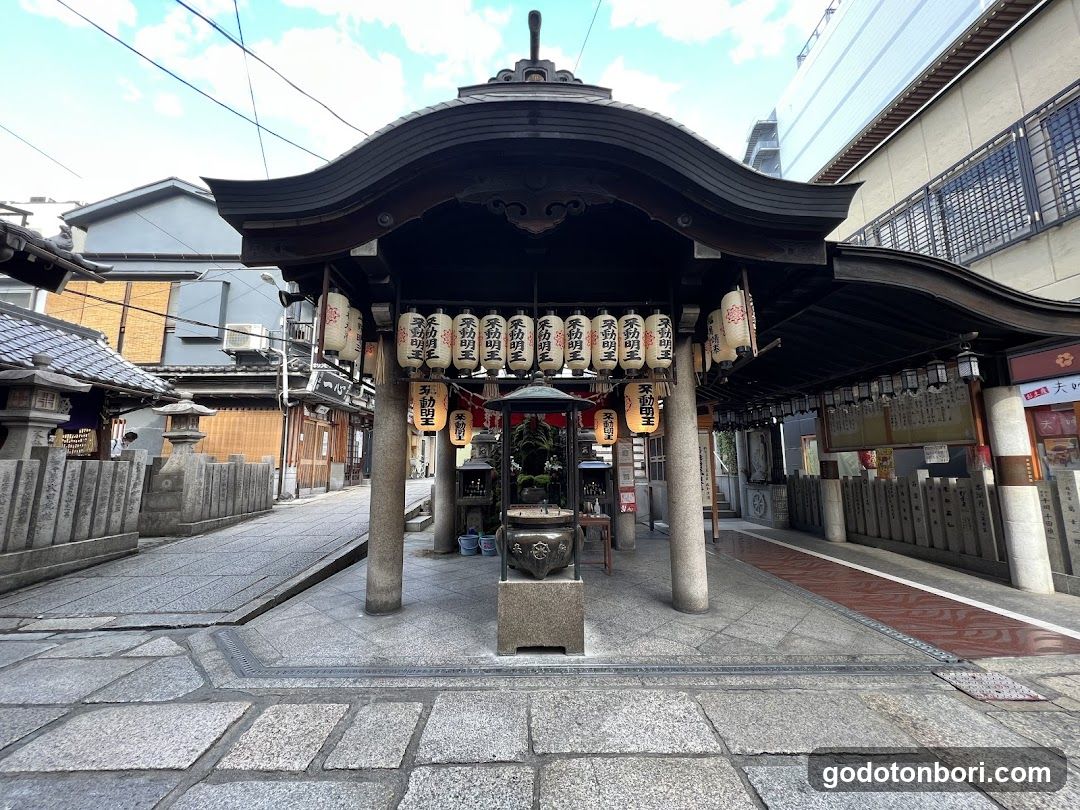
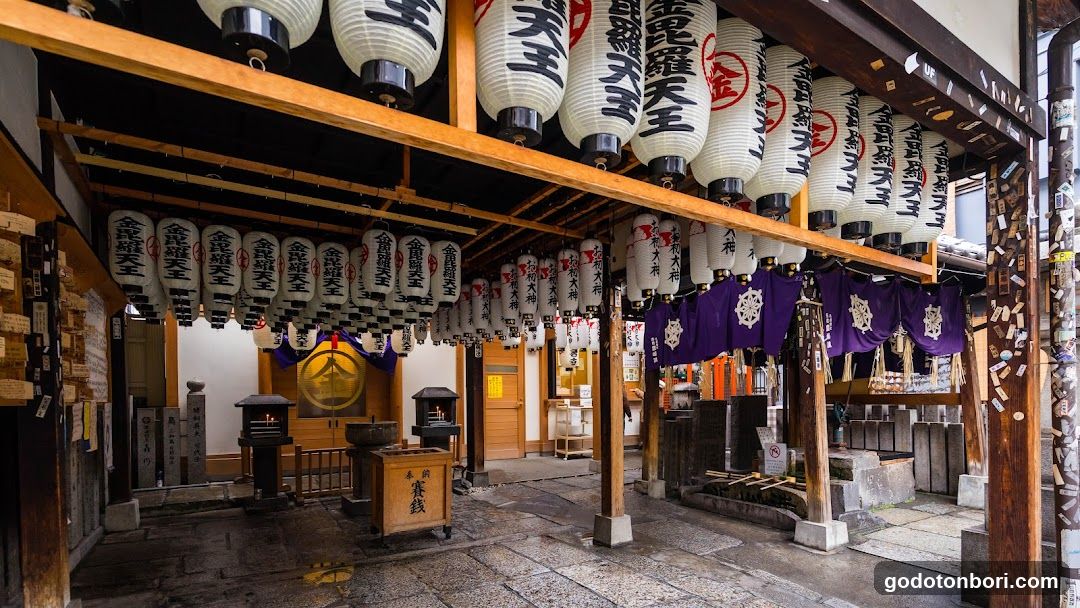
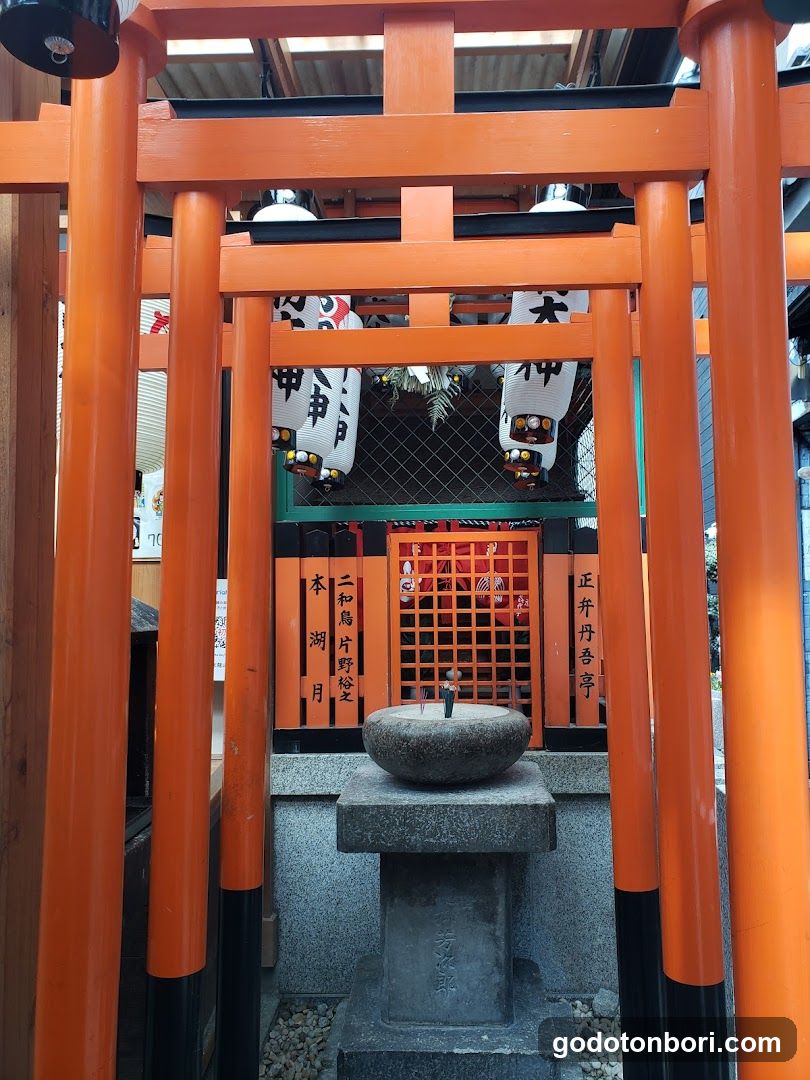
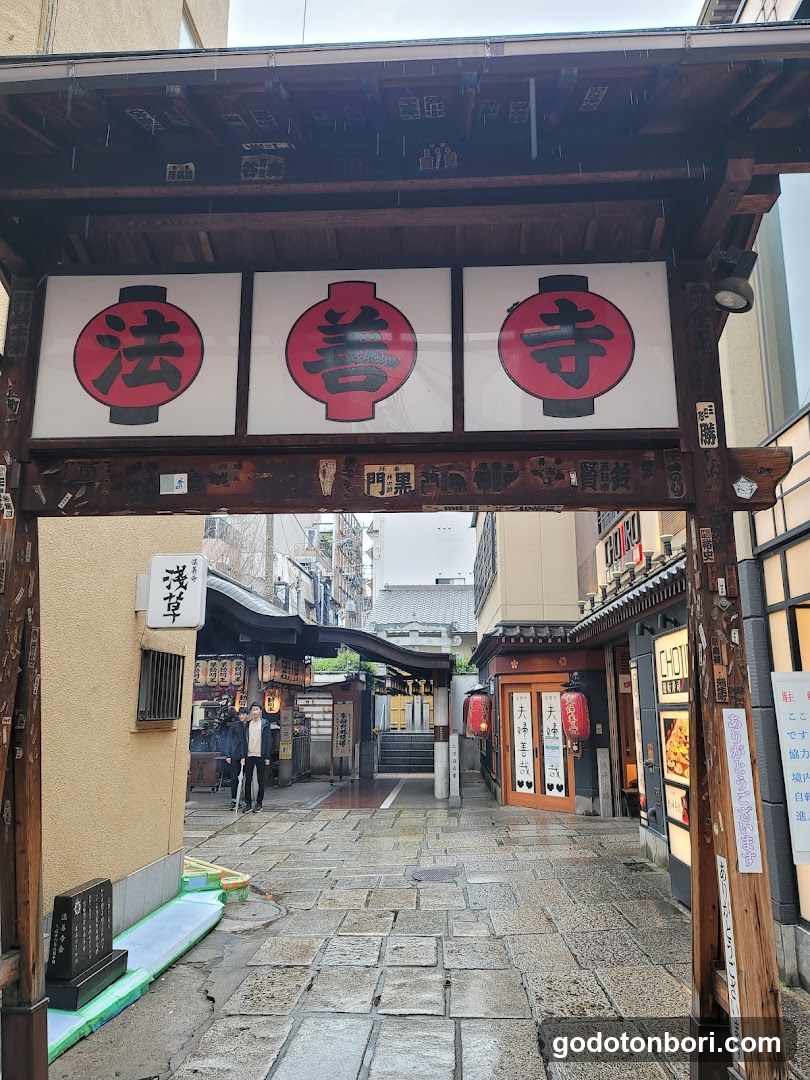
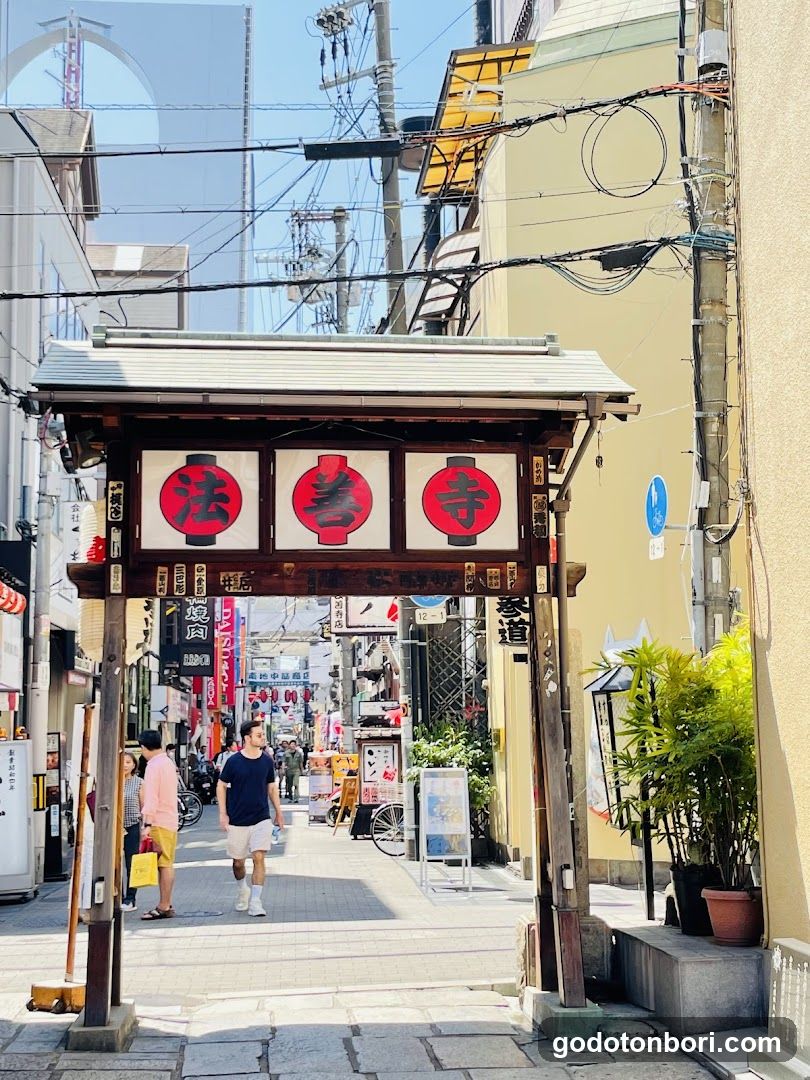
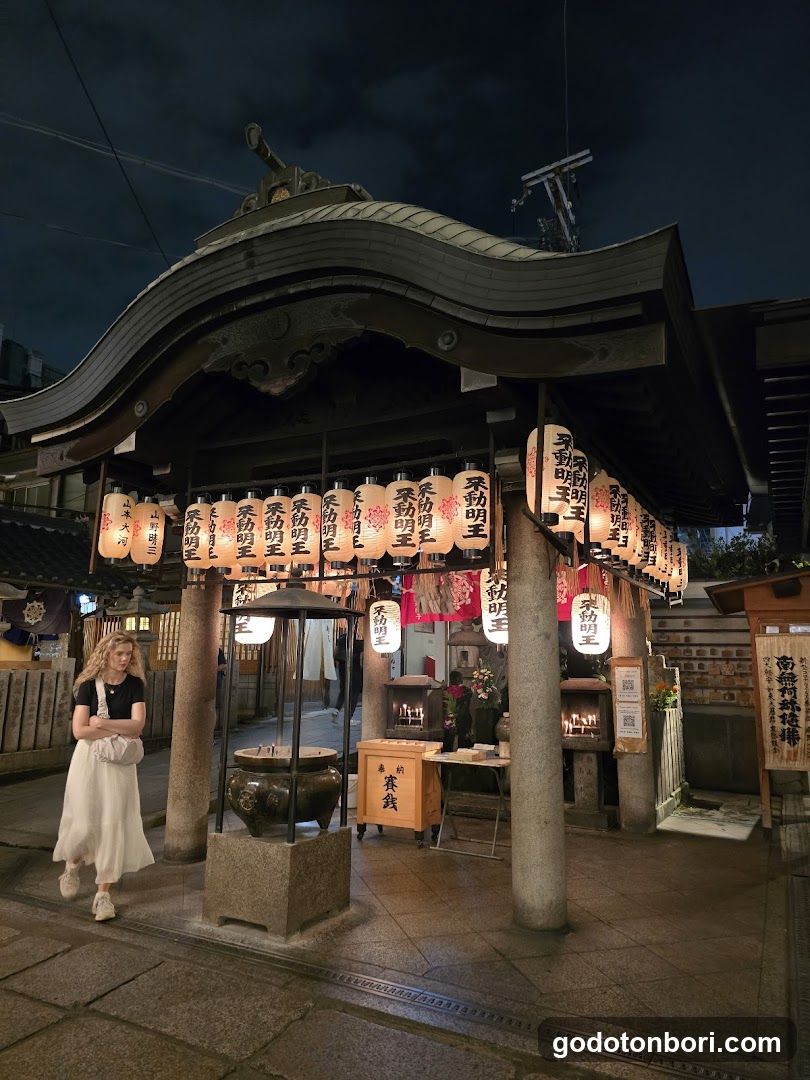
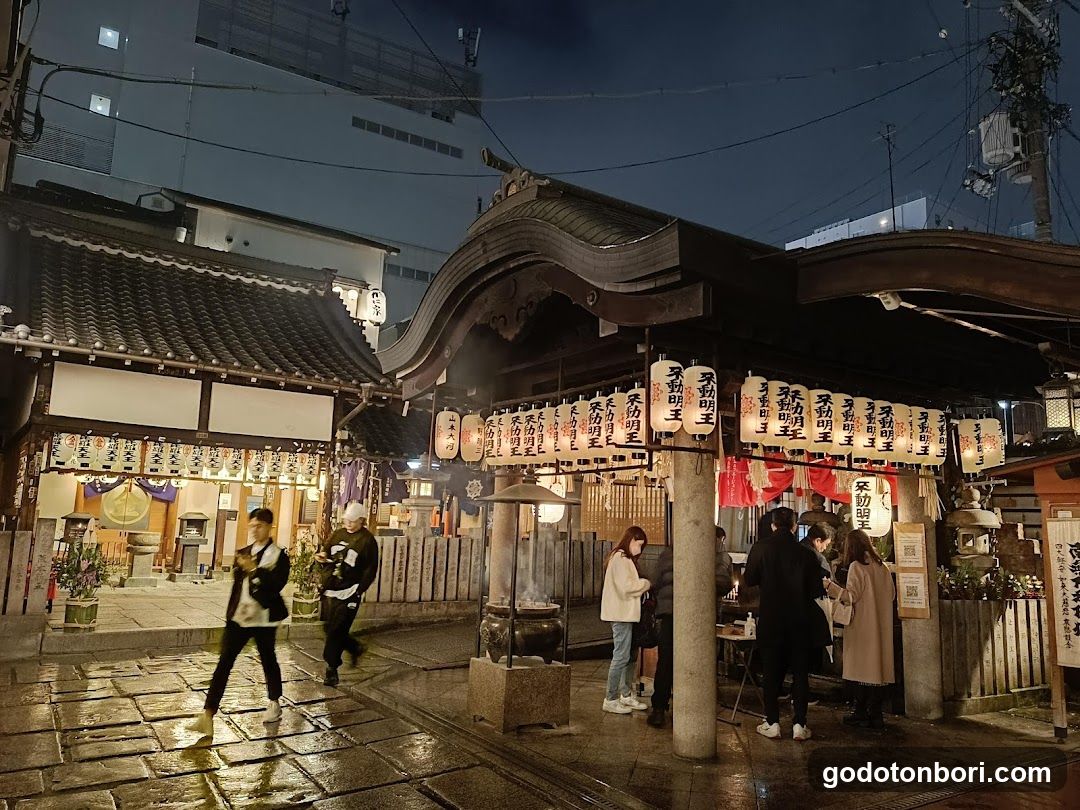
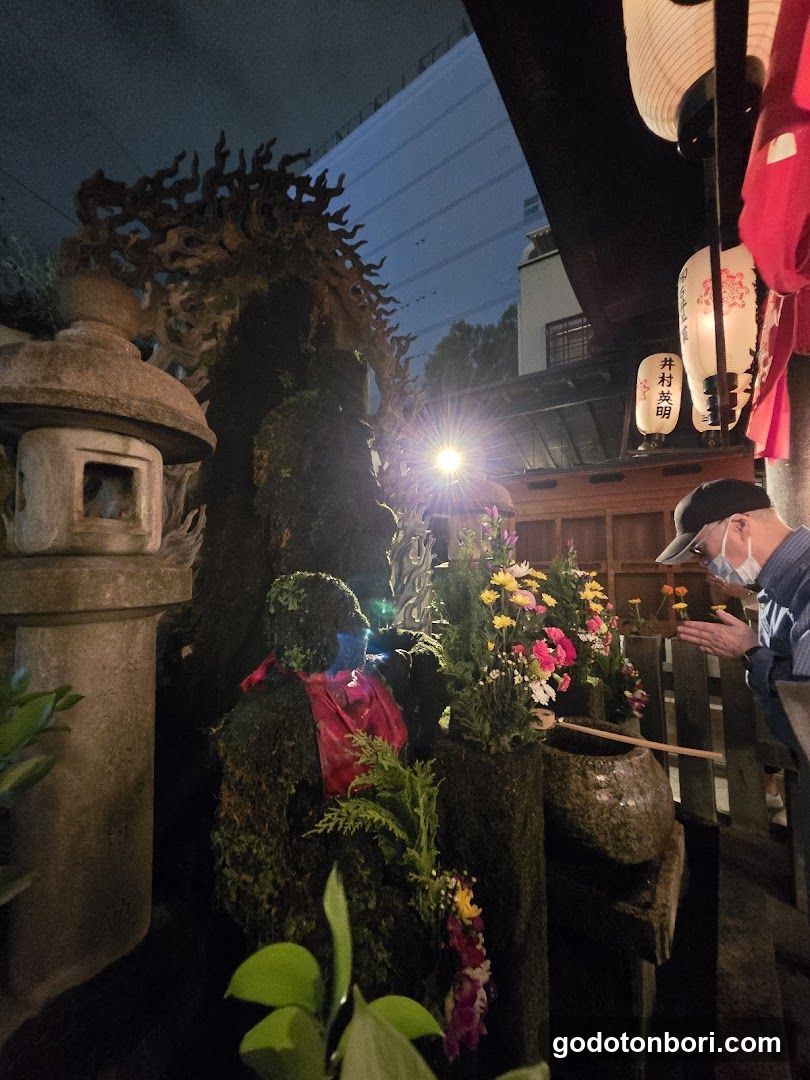
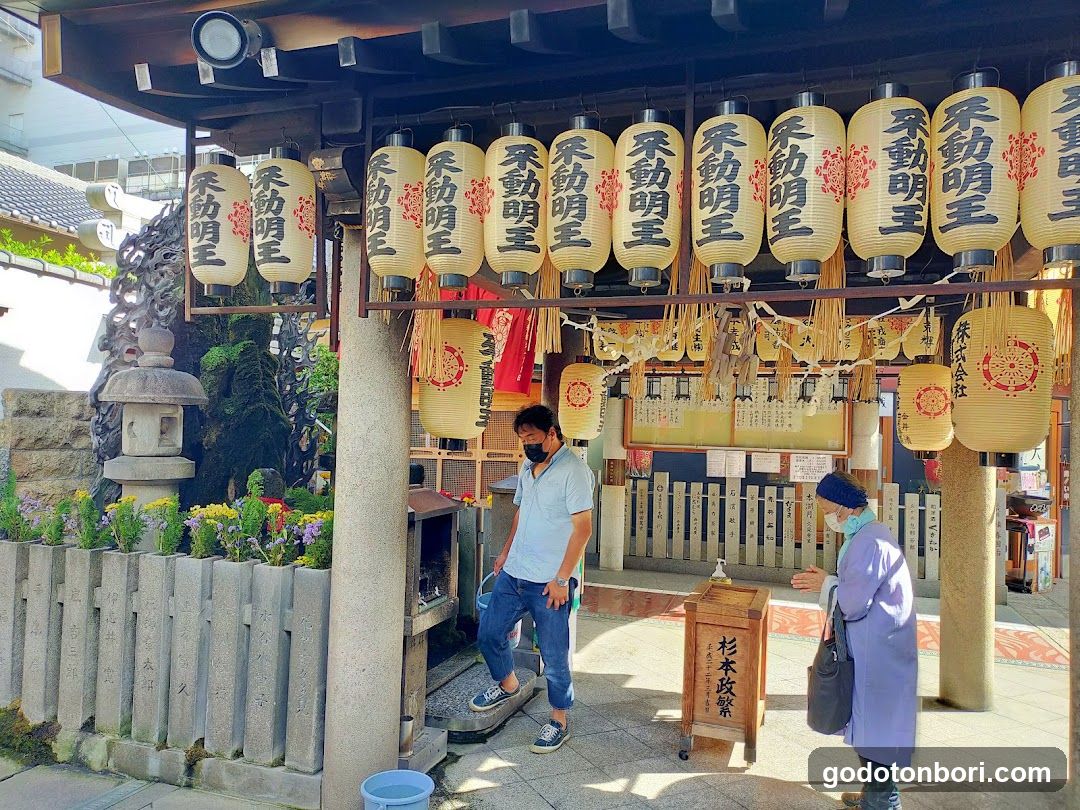
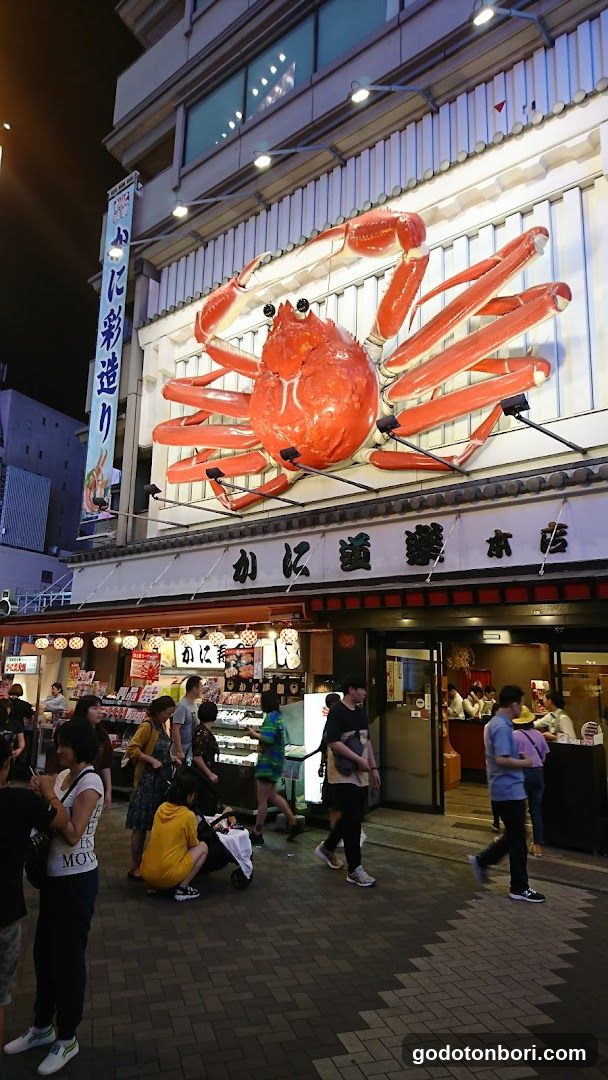
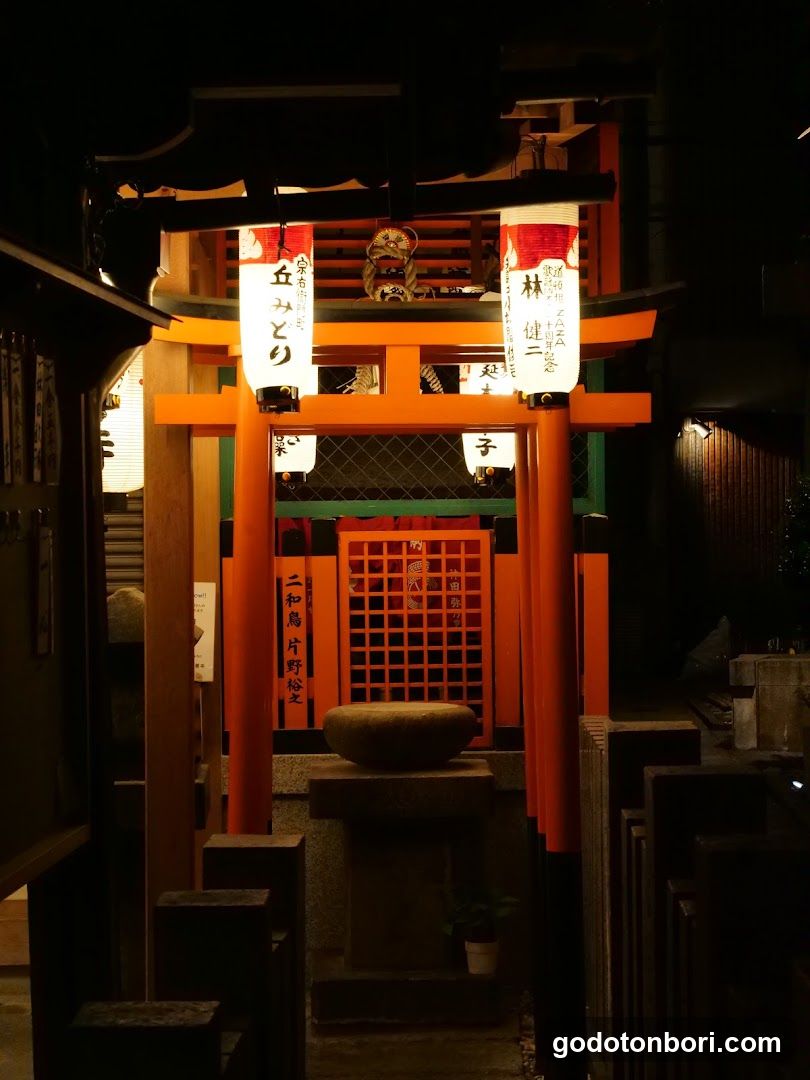
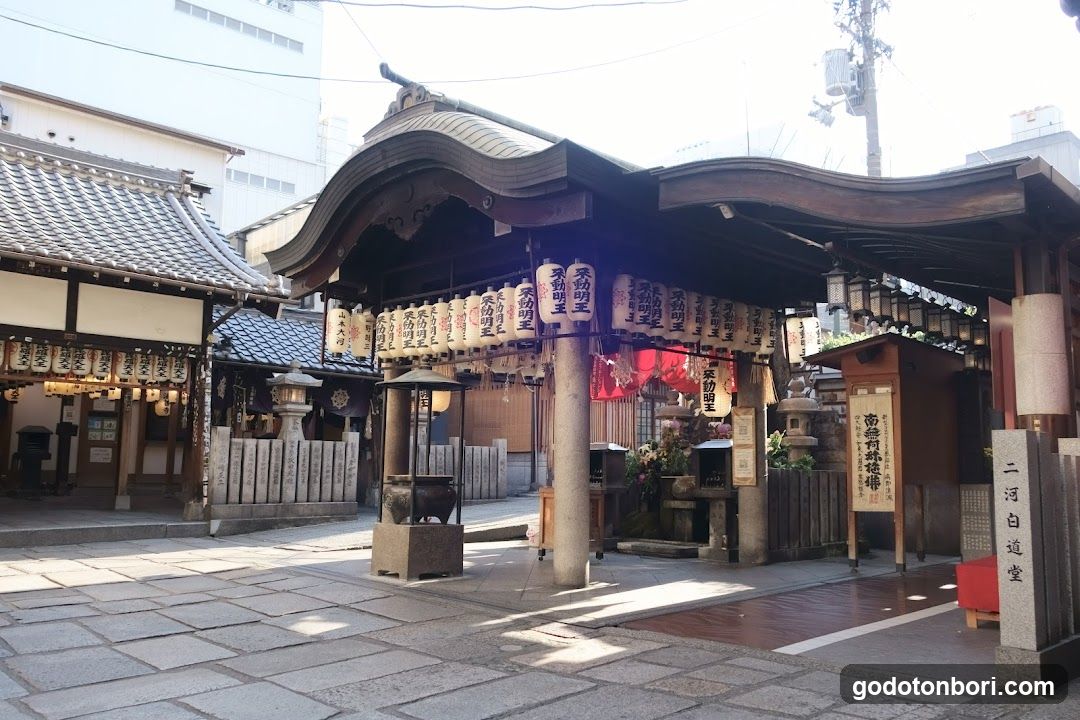
A shrine for success and safety in mizu shobai — the business of bars and restaurants. Such a contrast to the bustle of commerce a block away.
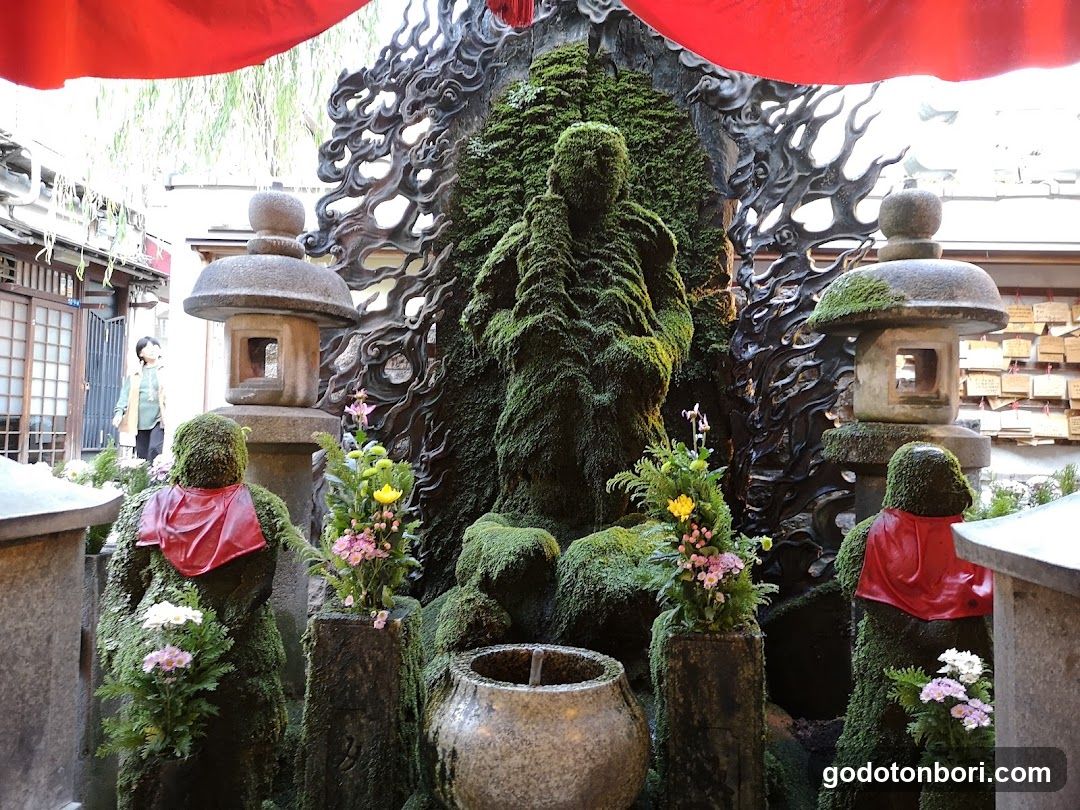
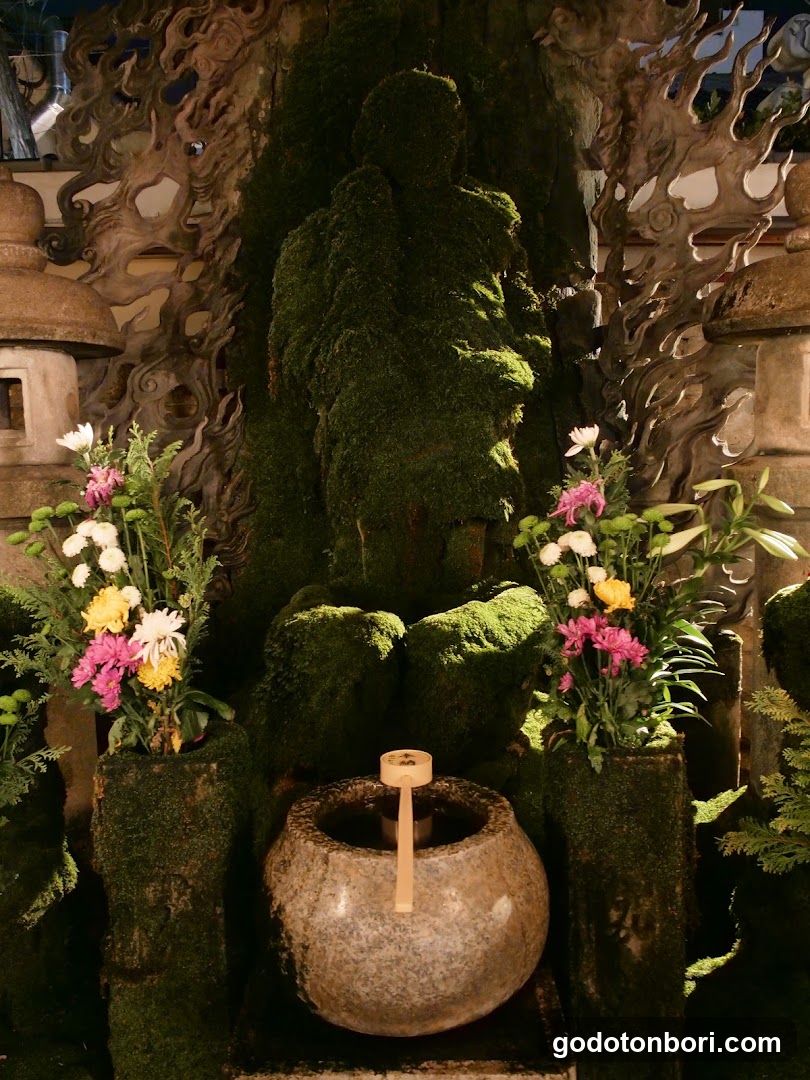
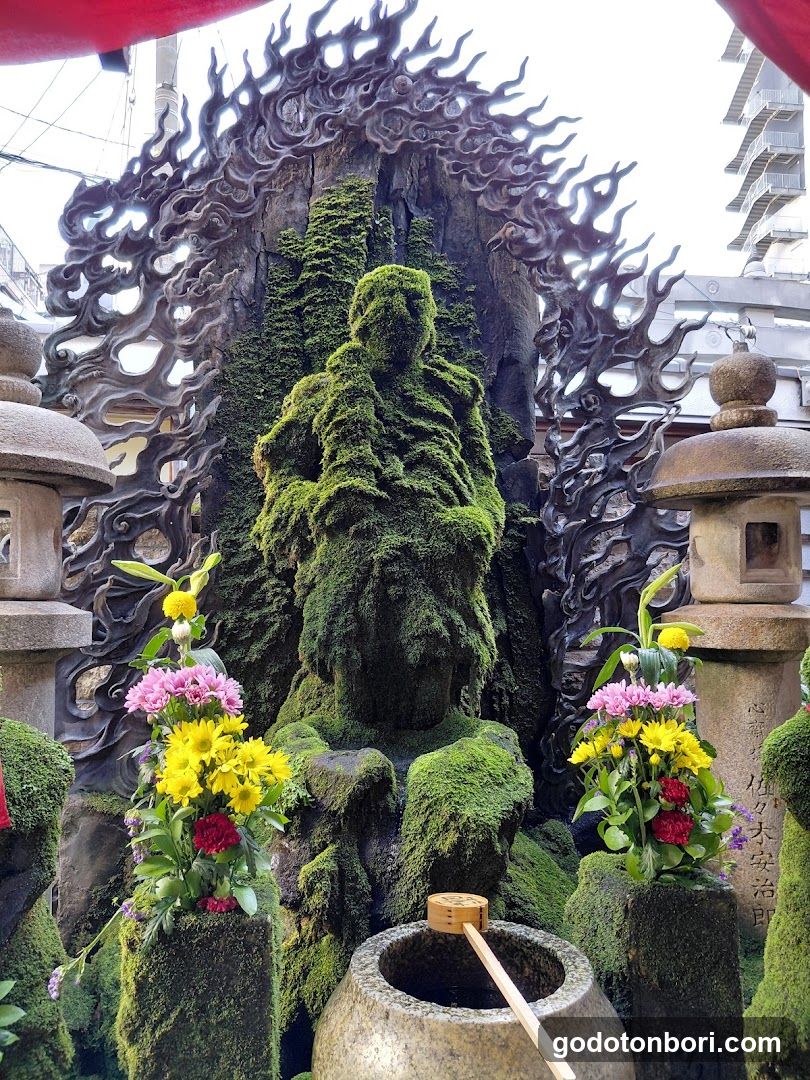
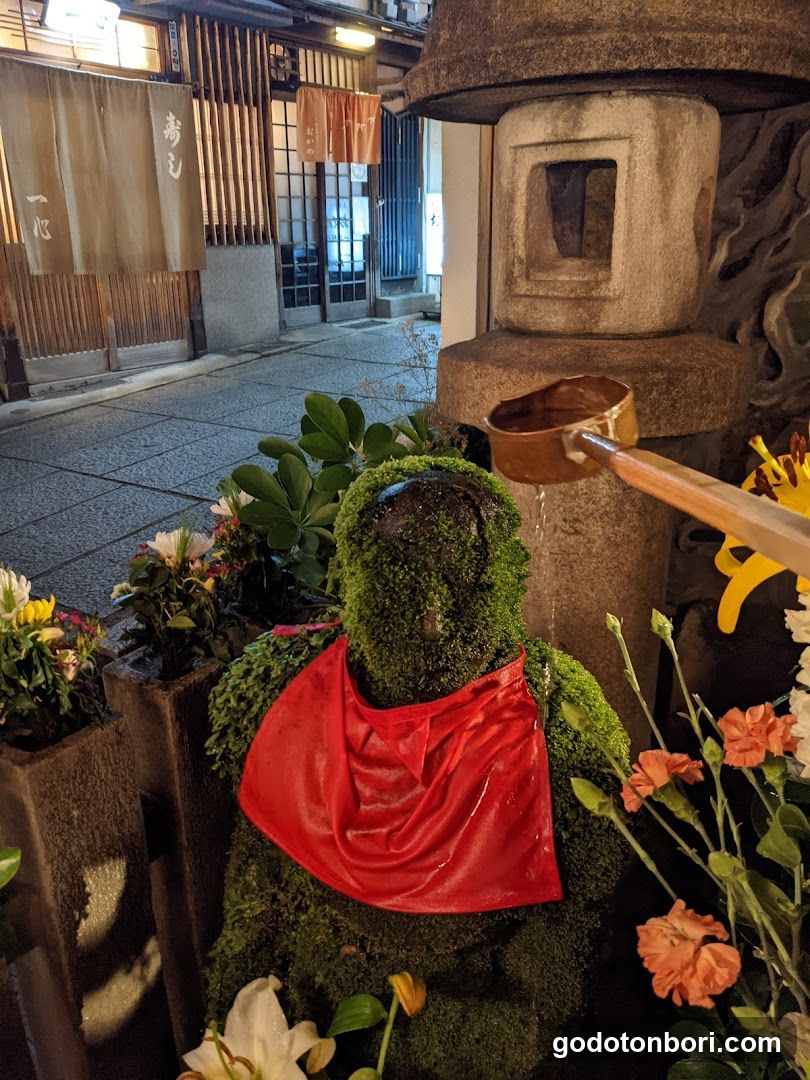
道頓堀にある1637年創建の歴史ある寺院。苔に覆われた水掛不動明王像が名物で、参拝者がお水をかけています。
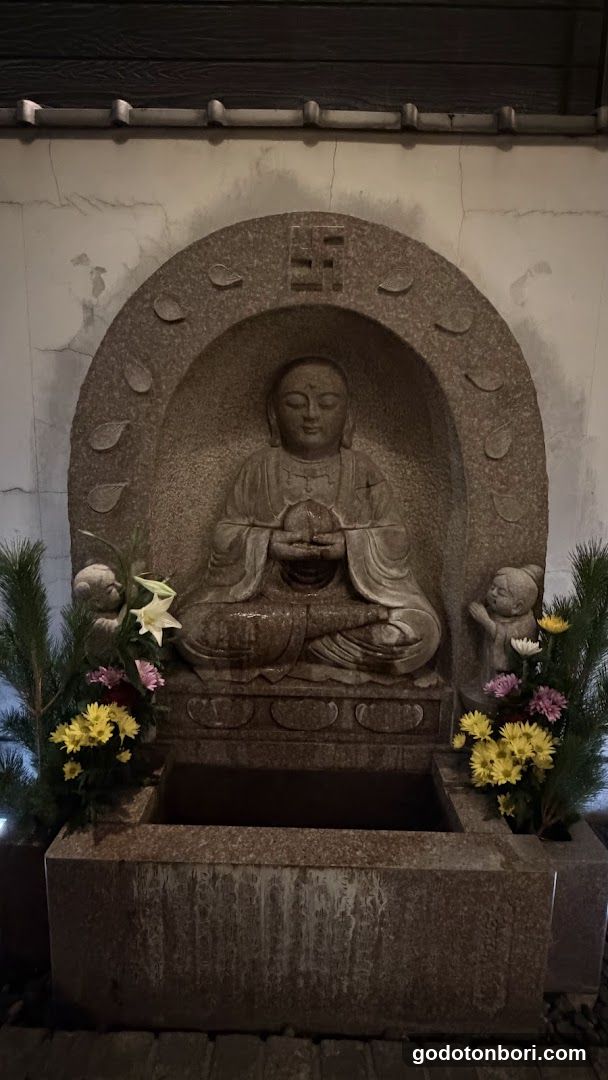
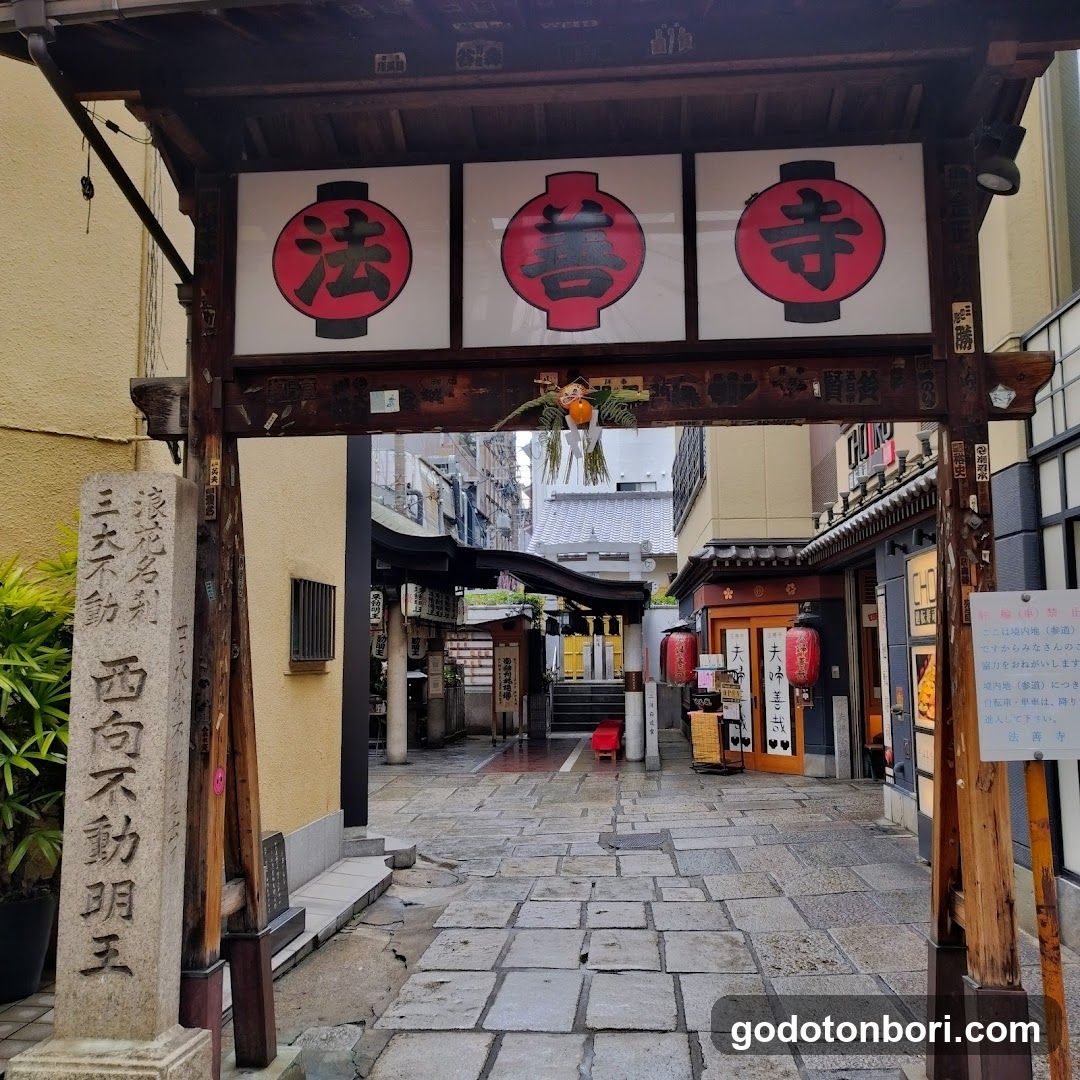
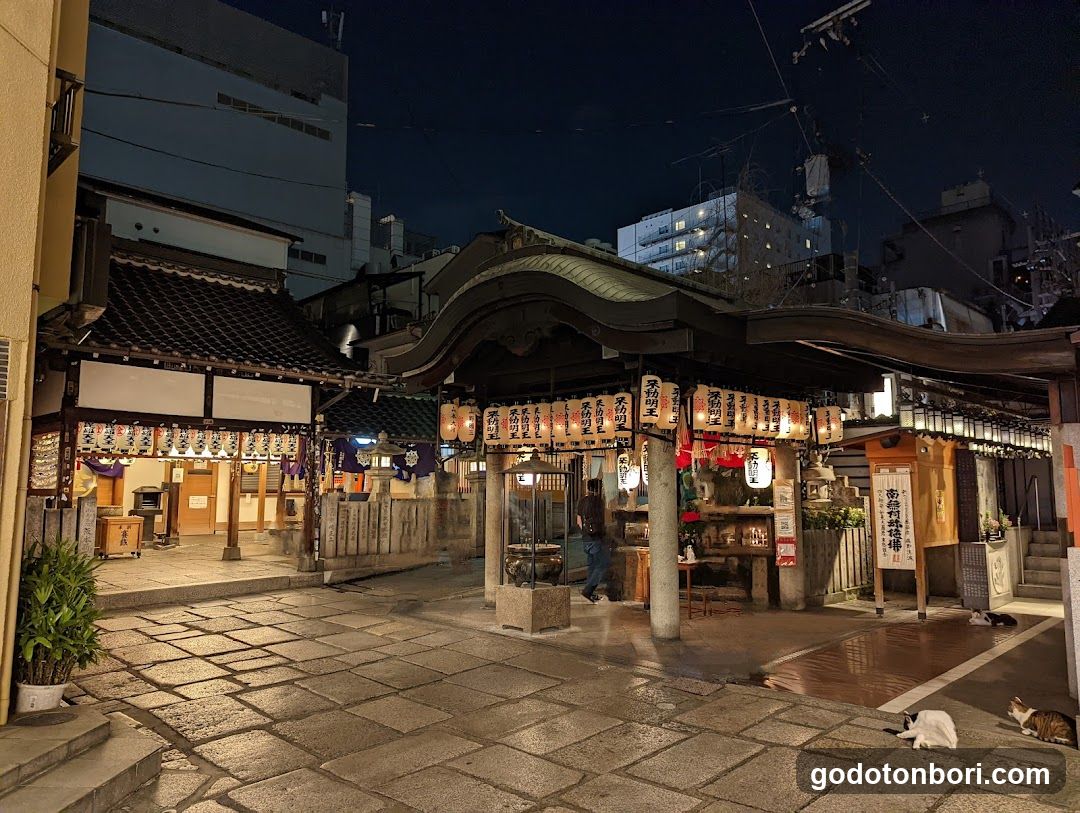
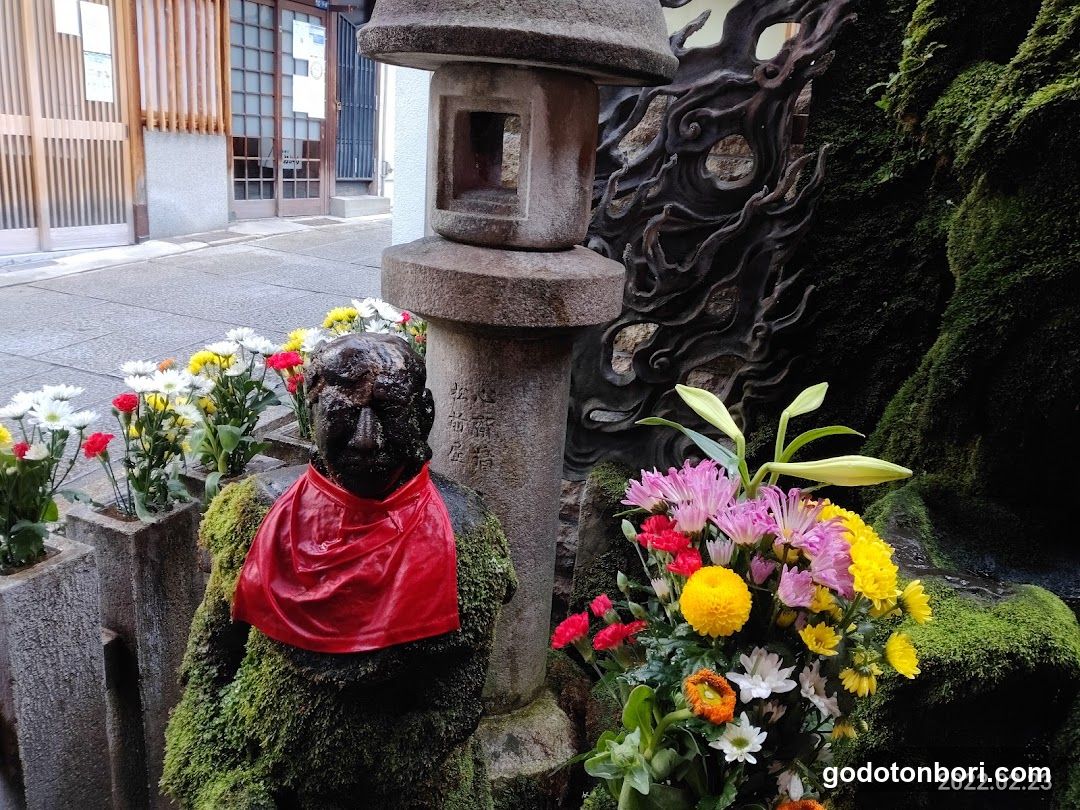
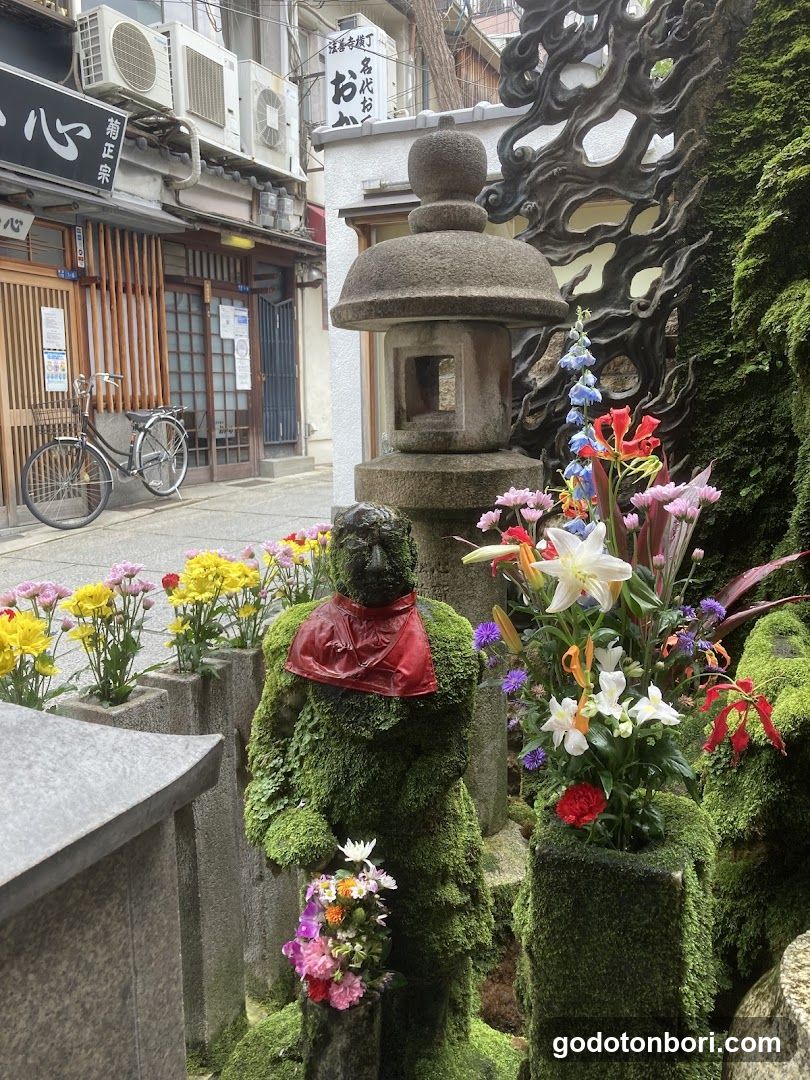
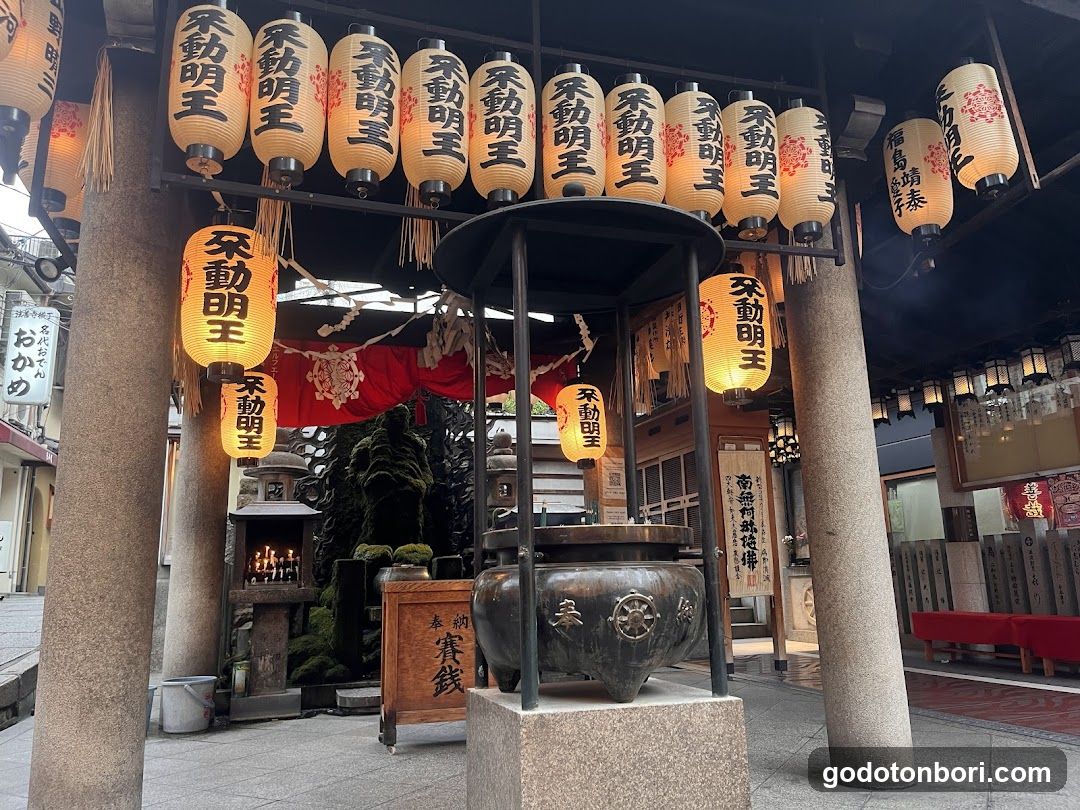
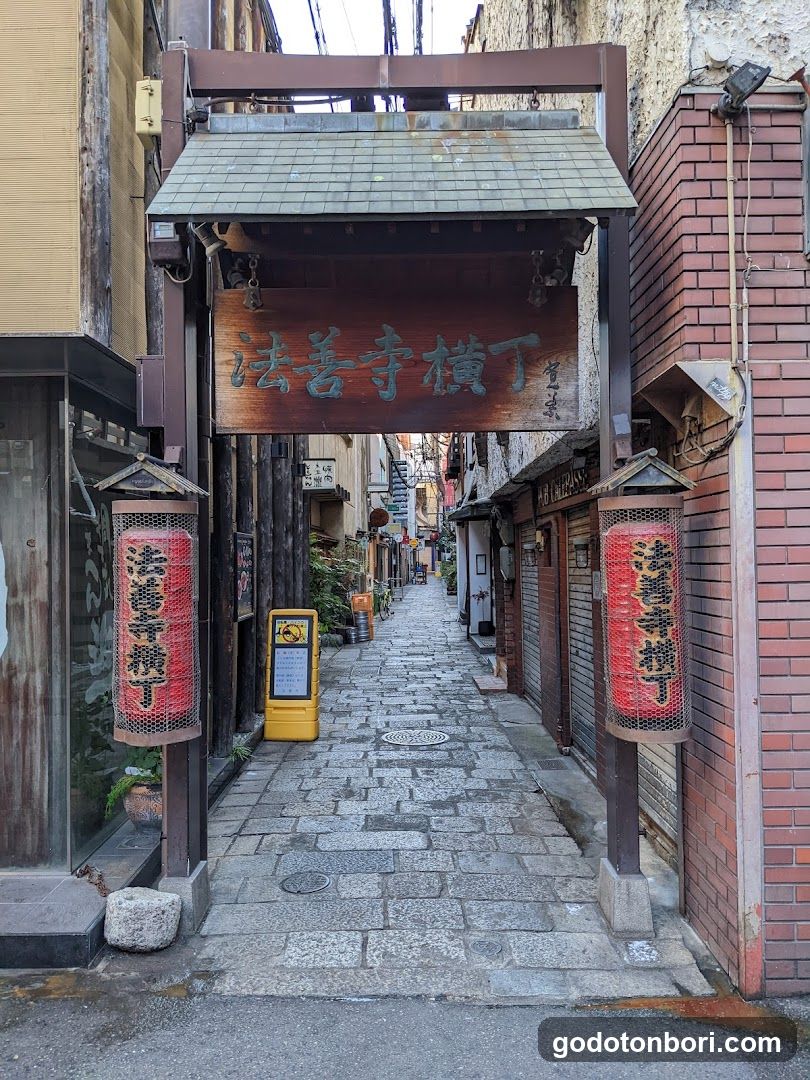
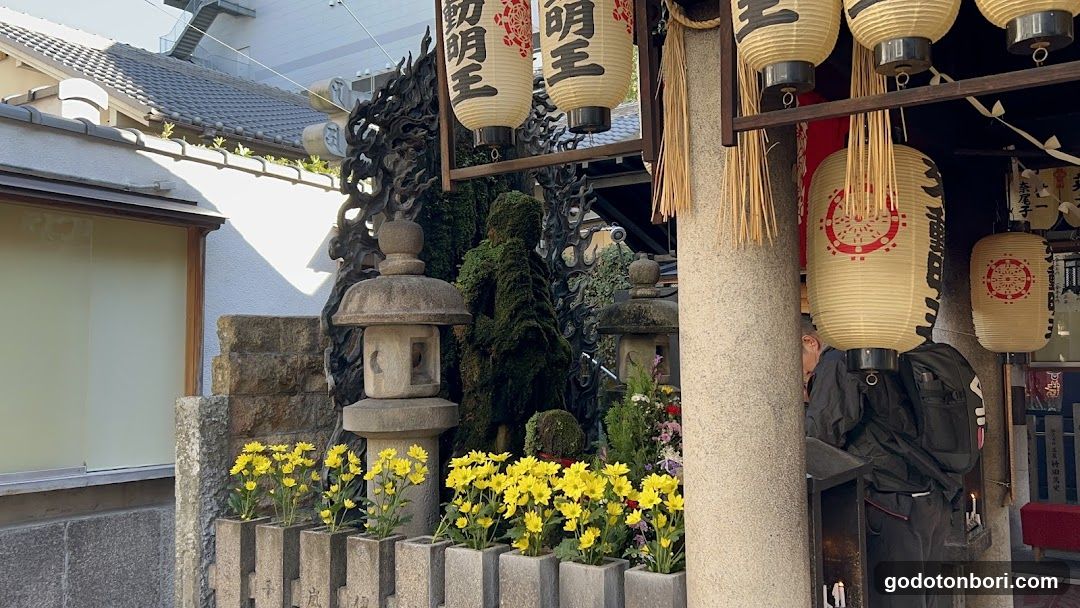
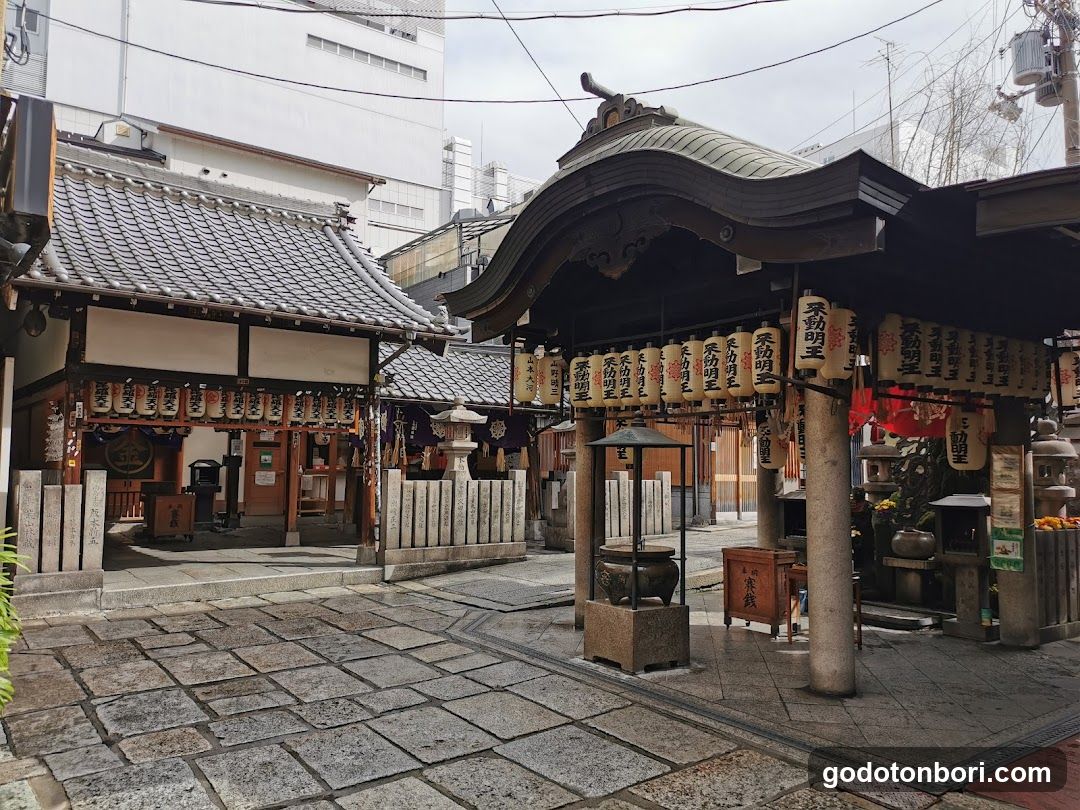
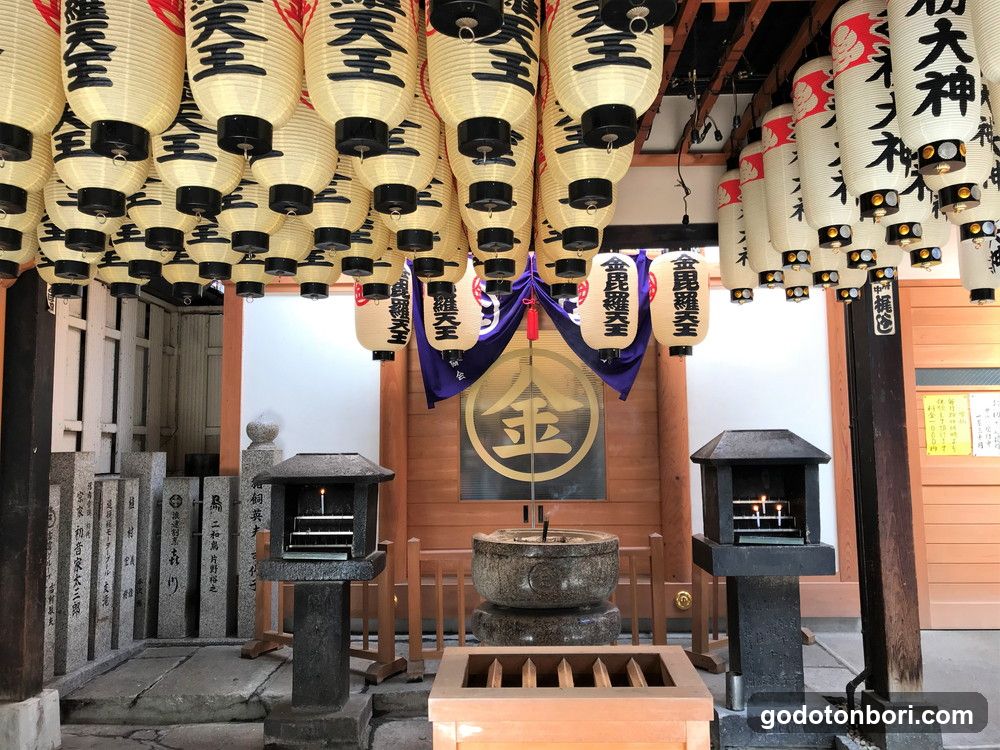
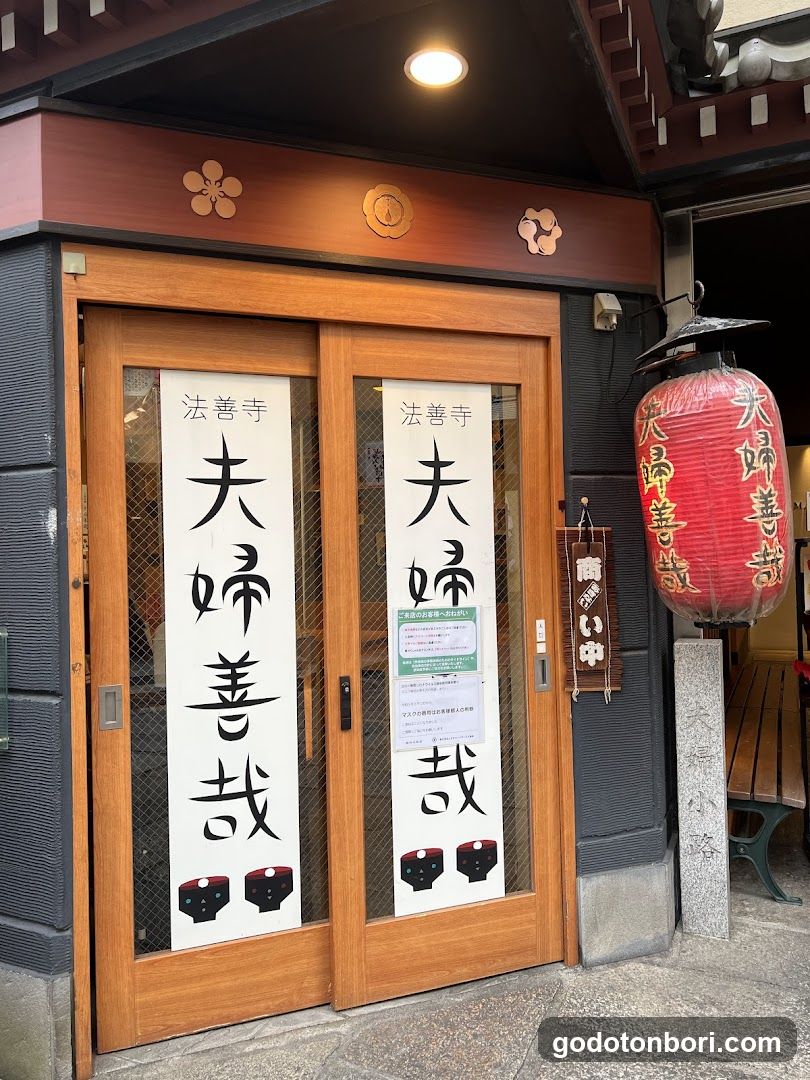
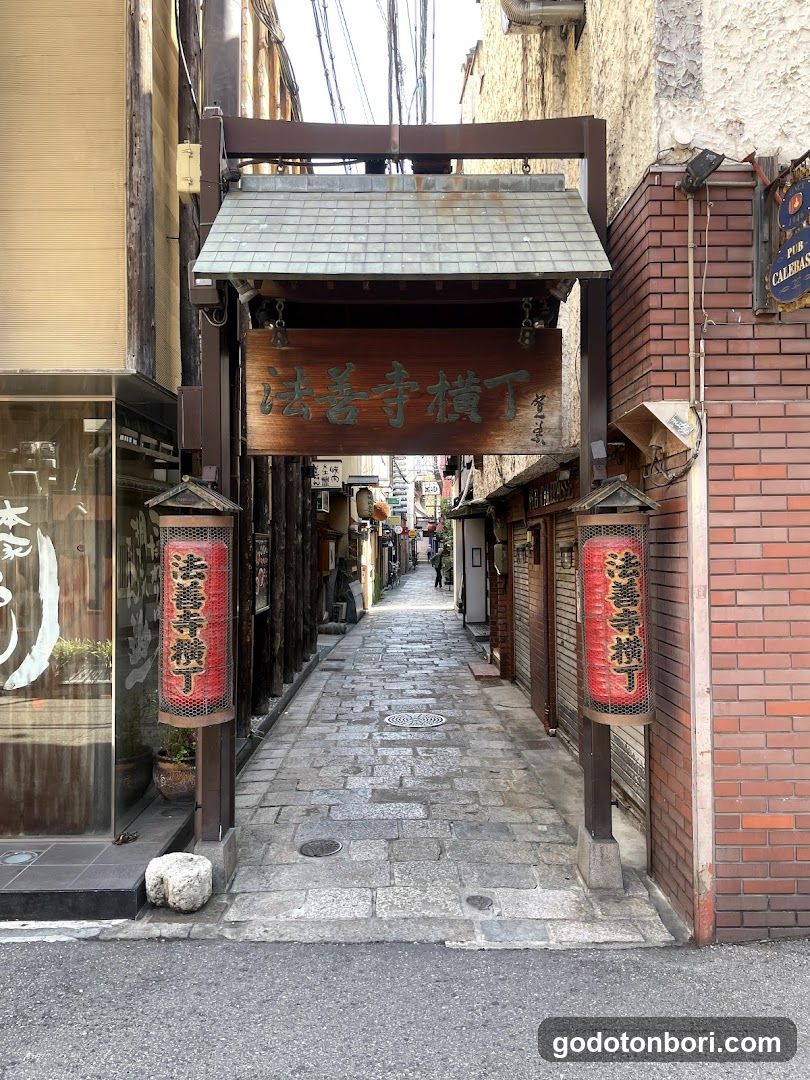
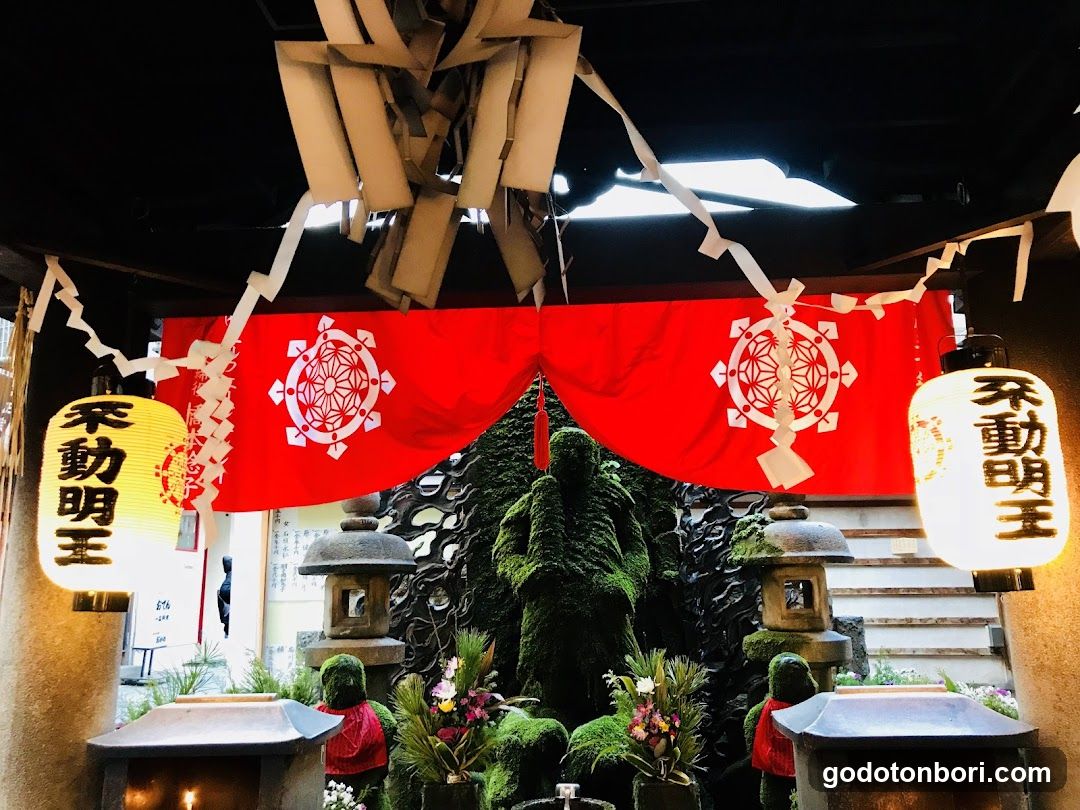
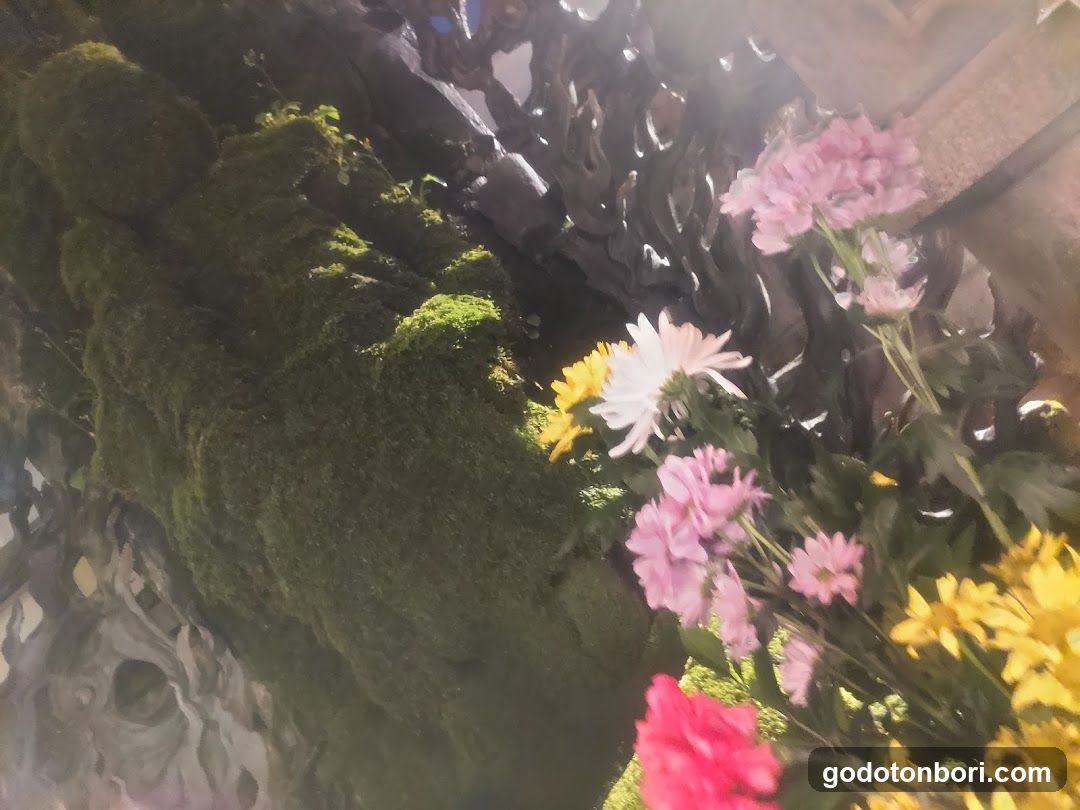
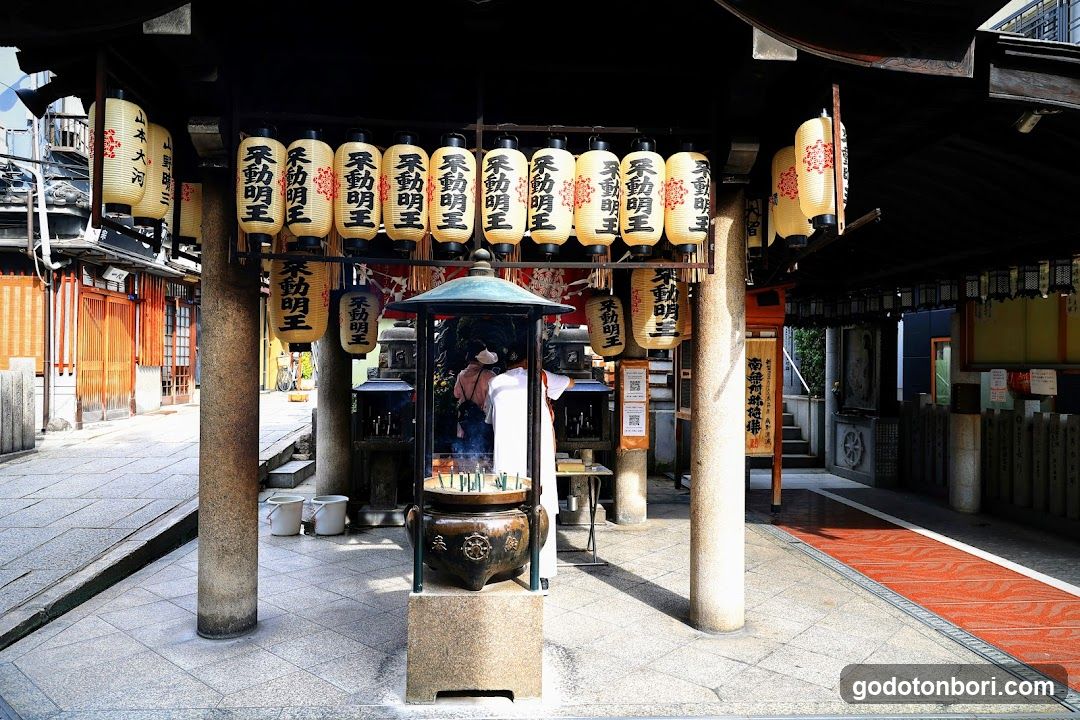
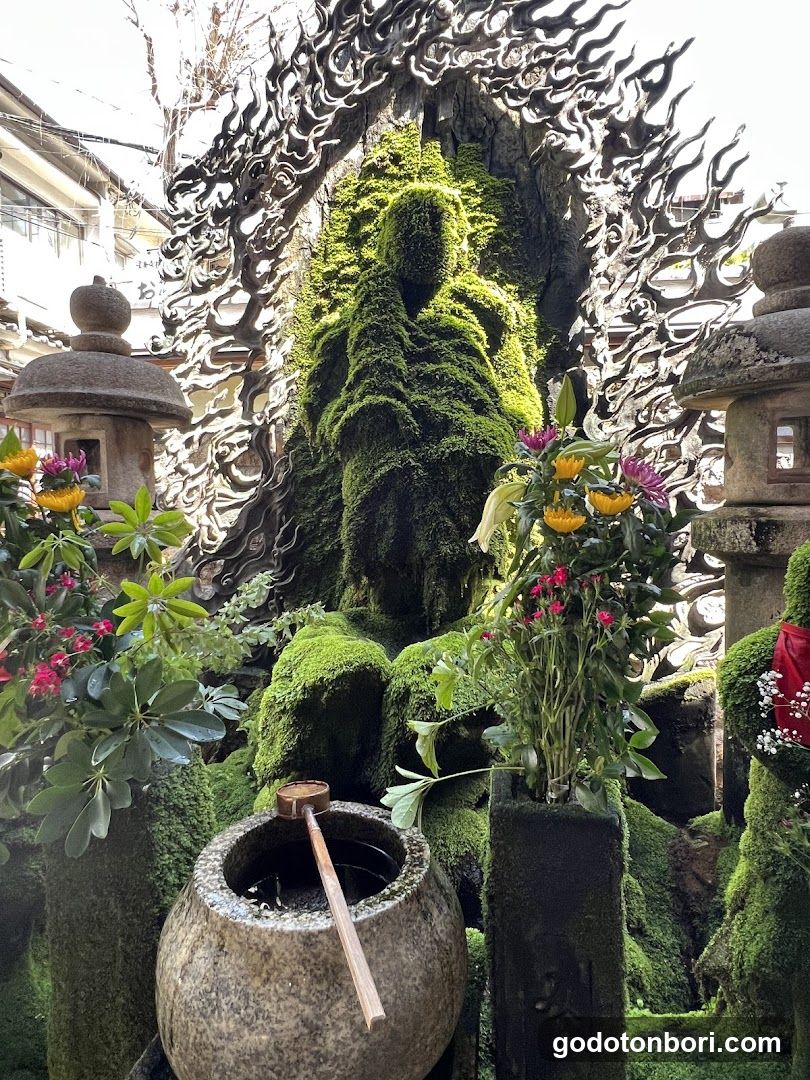
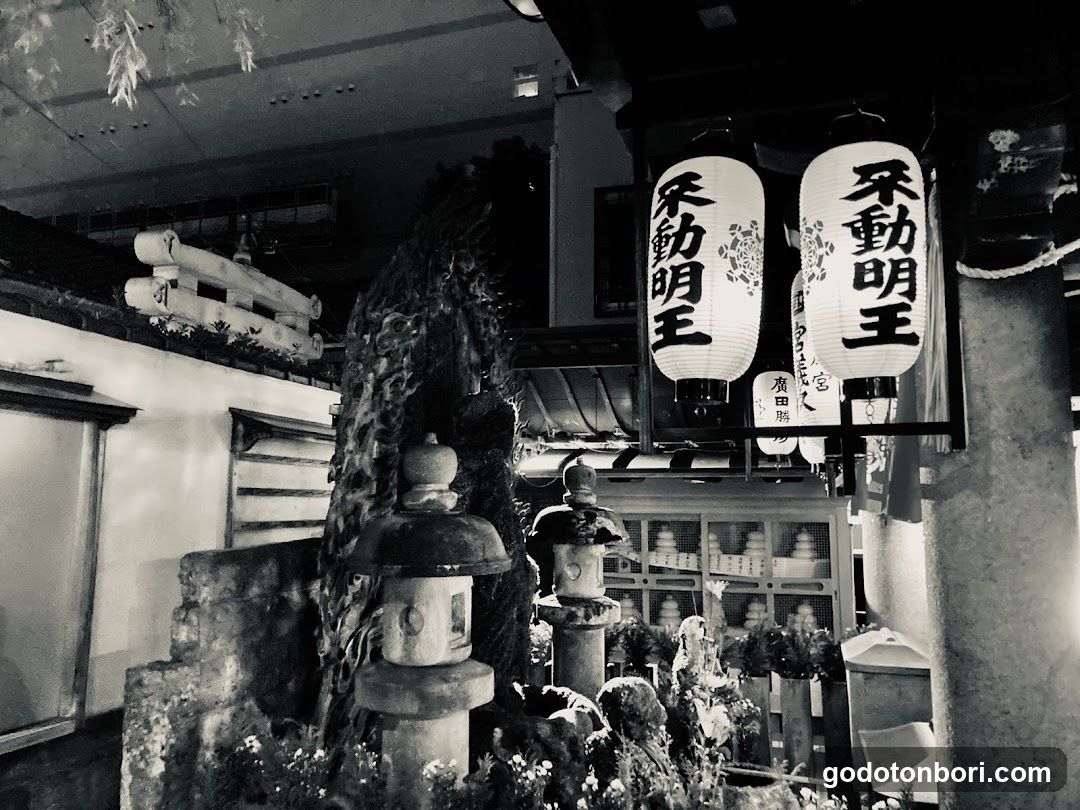
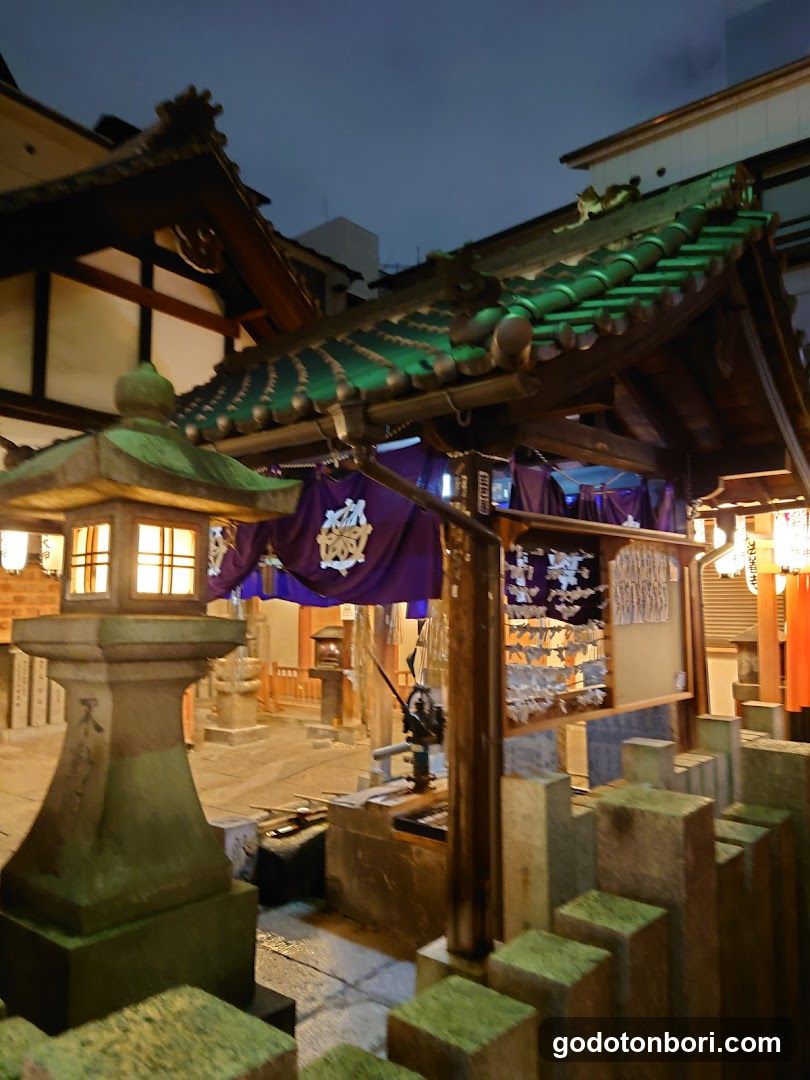
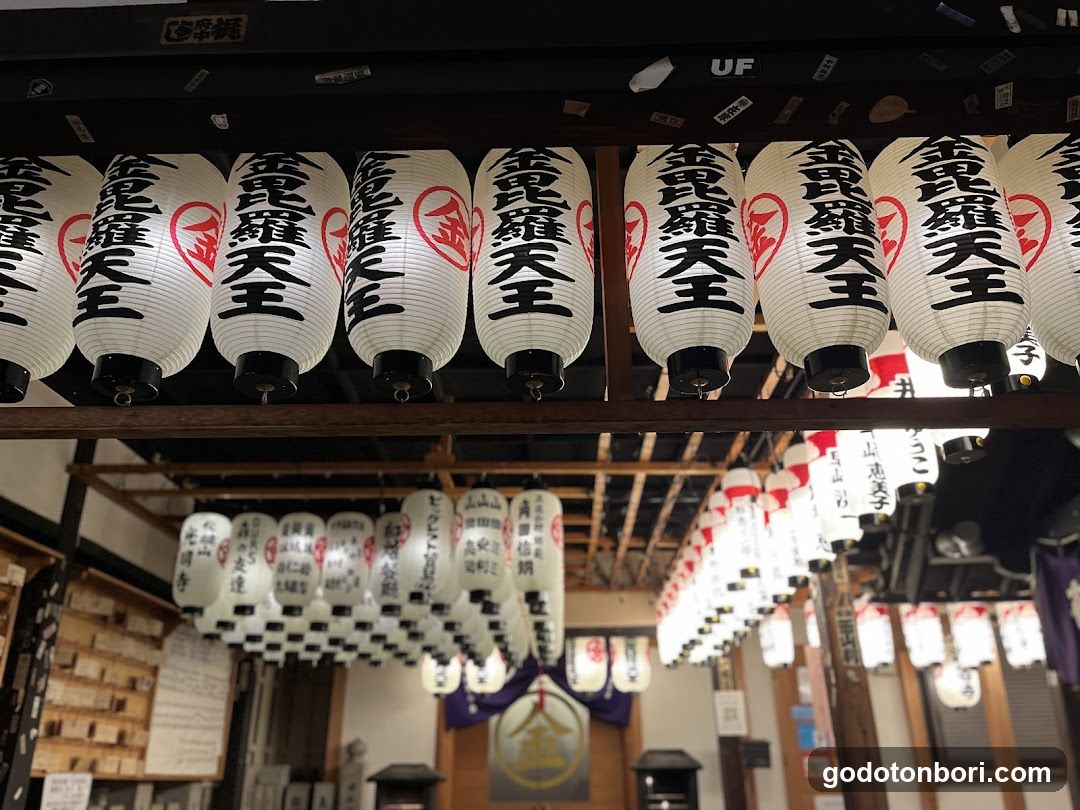
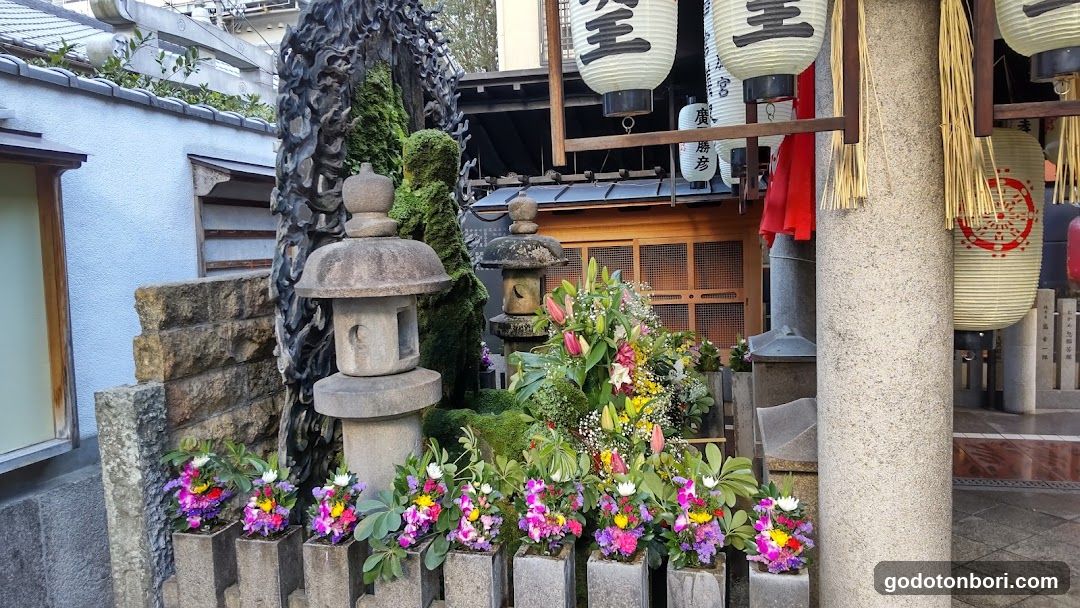
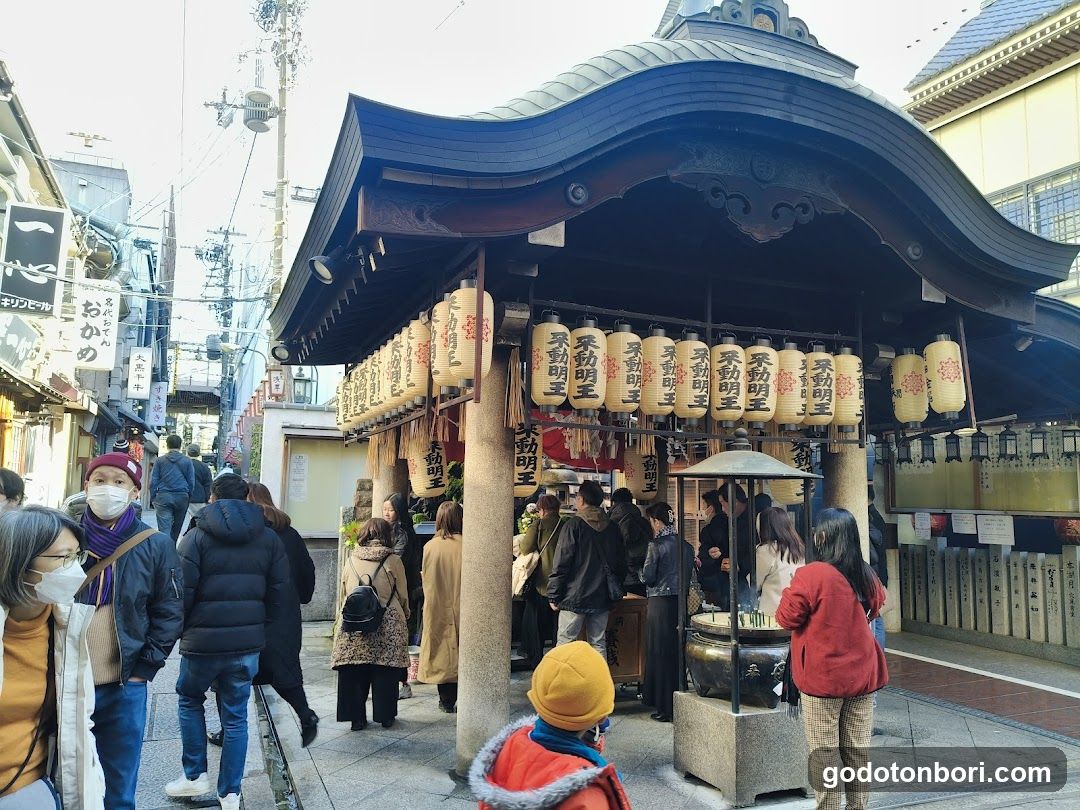
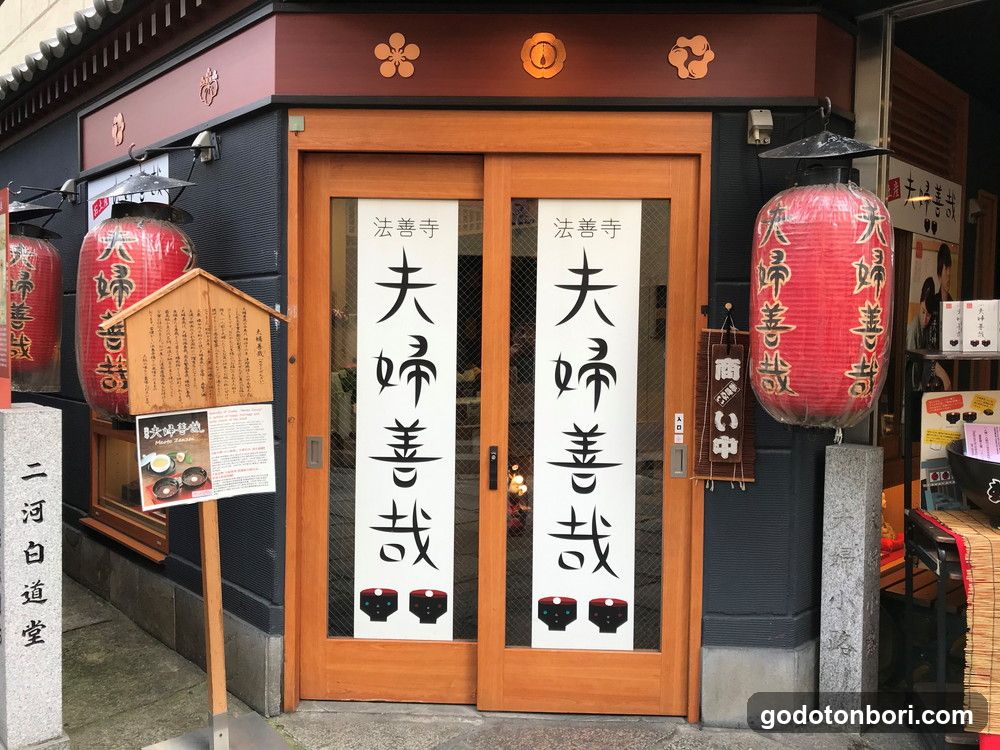
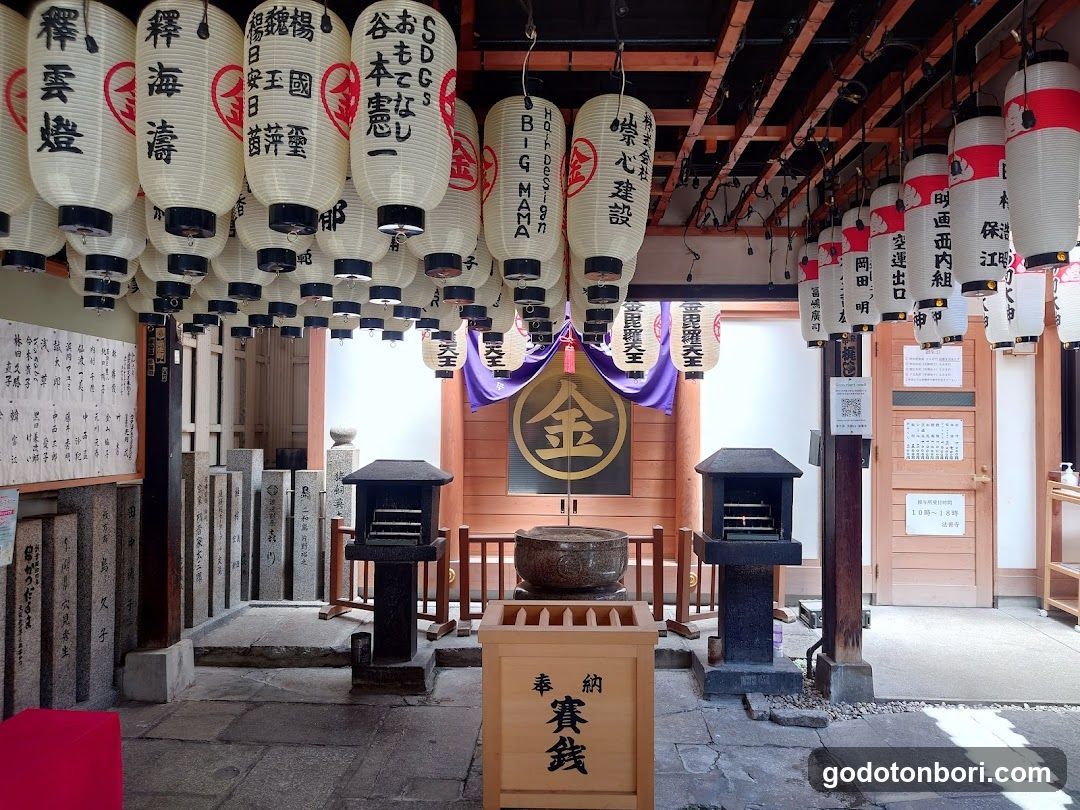
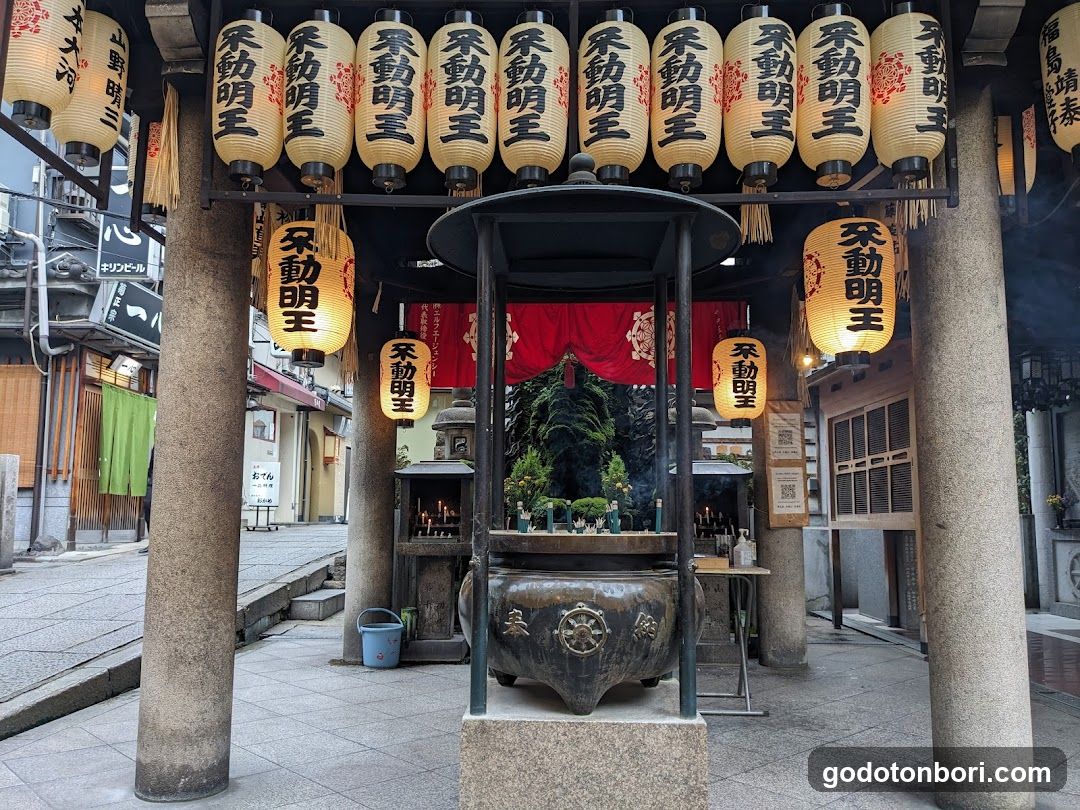
Hozenji Mizukake Fudoson Temple is a Buddhist temple of the Jodo-shu sect, founded in 1637 in the Dotonbori district near Namba Station. The temple is most famous for its statue of Fudo Myoo, the fierce wisdom king, which is uniquely covered in thick green moss as a result of centuries of visitors pouring water over it as an act of devotion. This practice, known as mizukake, gives the temple its distinctive name and makes it one of the most photographed and spiritually significant spots in all of Osaka Minami. Historically located in the middle of a district of theatres and performance venues, the temple was frequented by actors and artists, and shows were regularly given in tents on its grounds. The temple has a reputation in Japan for helping women who are about to give birth, adding to its spiritual significance. It has survived numerous hardships including air raids during the Second World War, and today it stands as a quiet, lantern-lit oasis amidst the neon and noise of modern Dotonbori, open 24 hours a day as what many call a power spot of Minami. Hozenji Temple offers a moment of profound tranquillity and cultural depth in the heart of Osaka's most frenetic district. Whether you are pouring water on the moss-covered Fudo Myoo as a prayer, admiring the stone lanterns that line the approach or simply pausing for reflection in the surrounding Hozenji Yokocho alley, this 17th-century temple provides a deeply atmospheric and spiritually resonant contrast to the dazzling entertainment district that surrounds it.
道頓堀にある1637年創建の歴史ある寺院。苔に覆われた水掛不動明王像が名物で、参拝者がお水をかけています。