かじやひろし
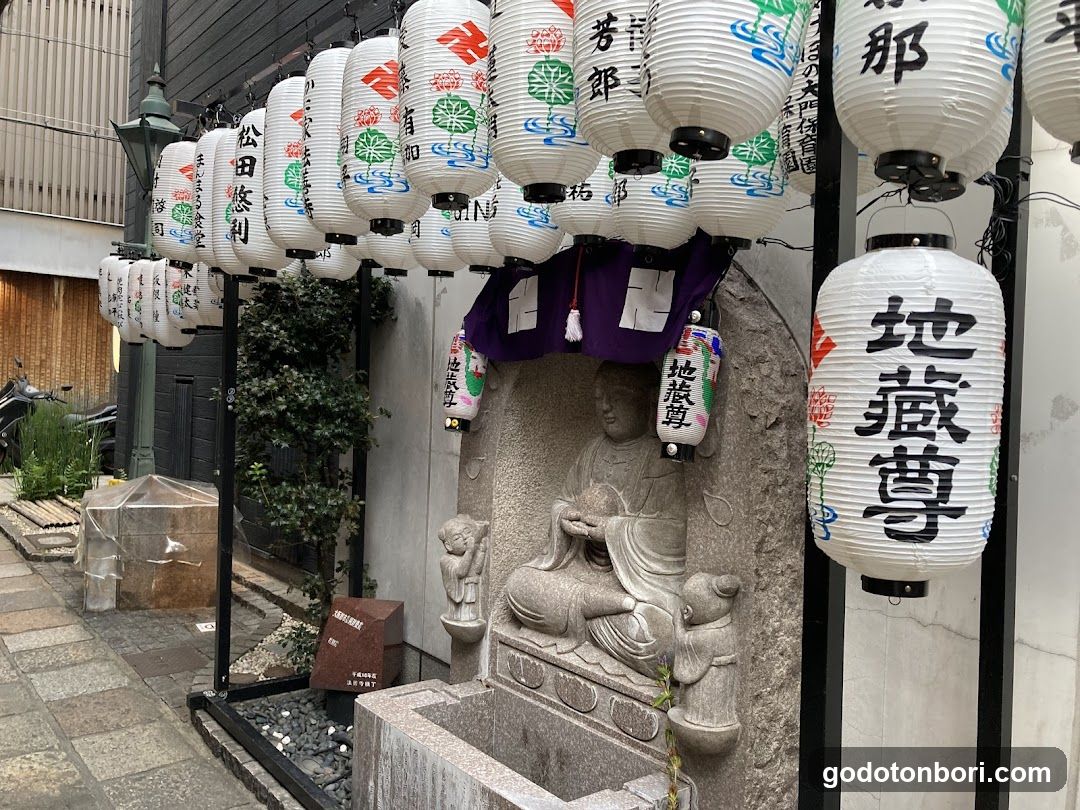
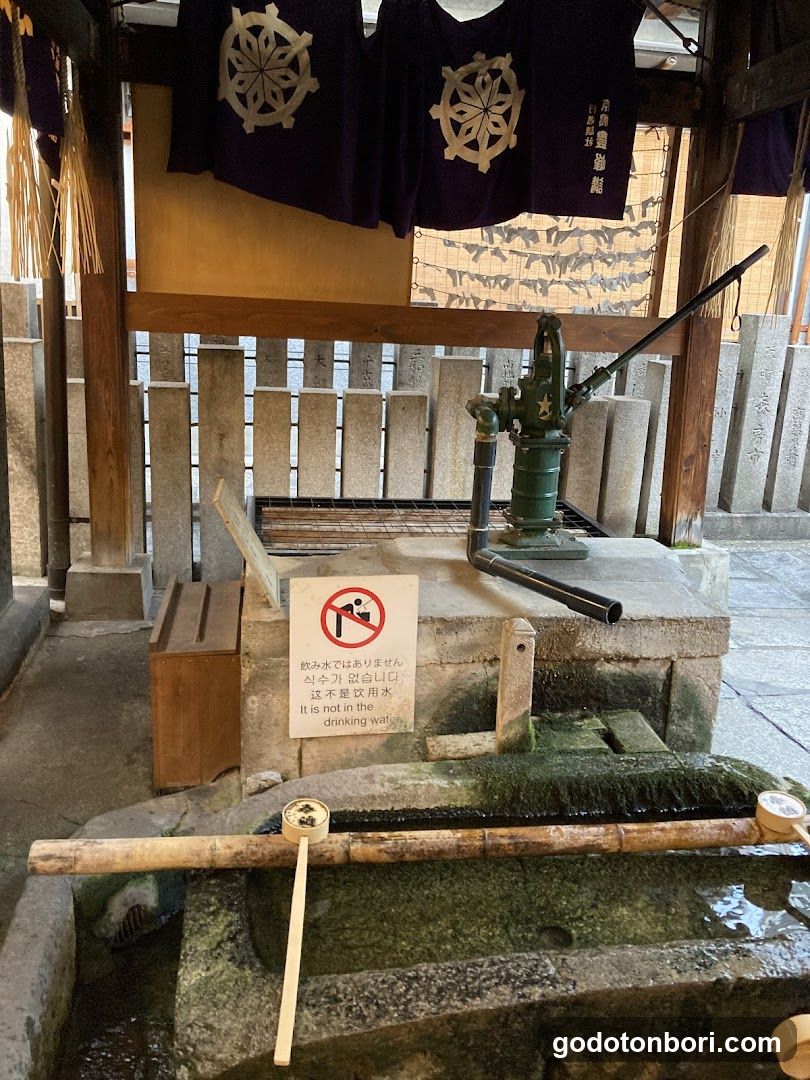
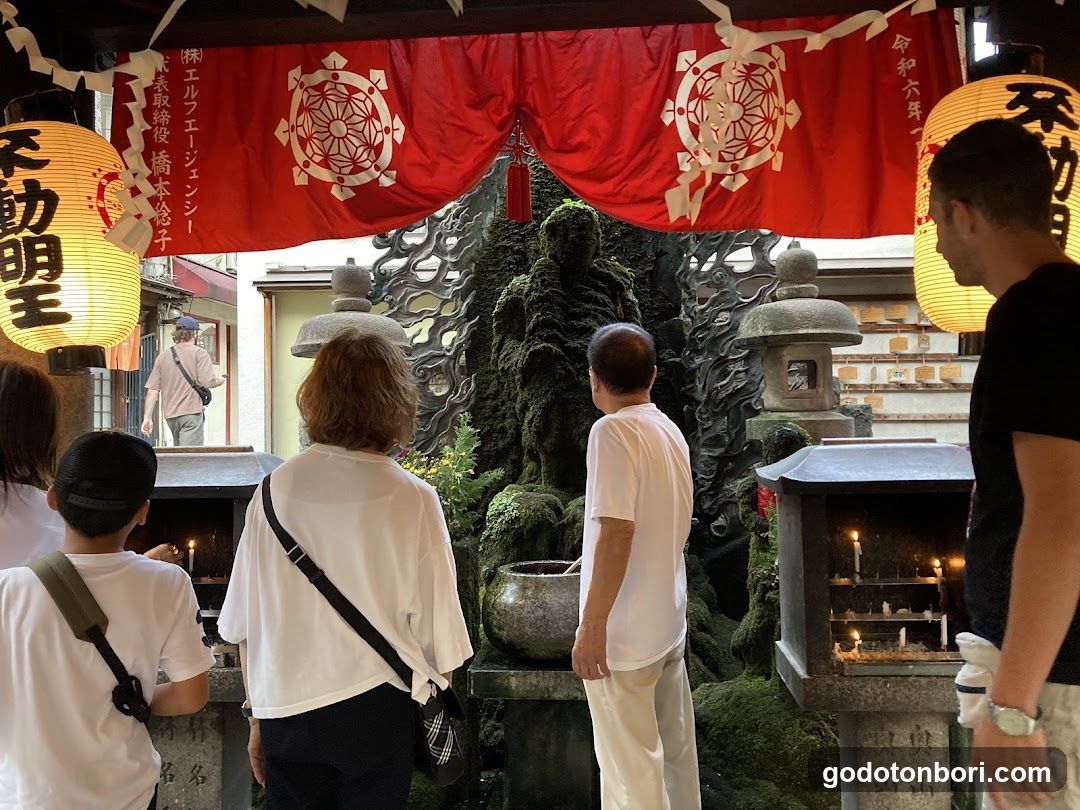
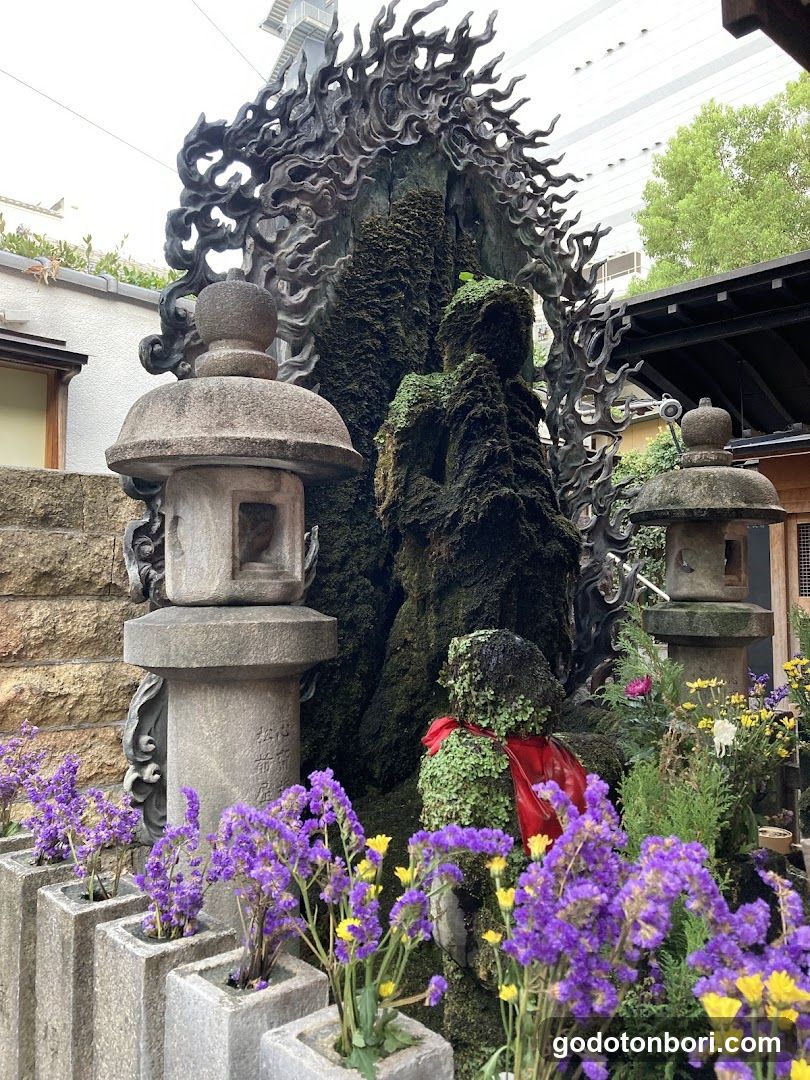
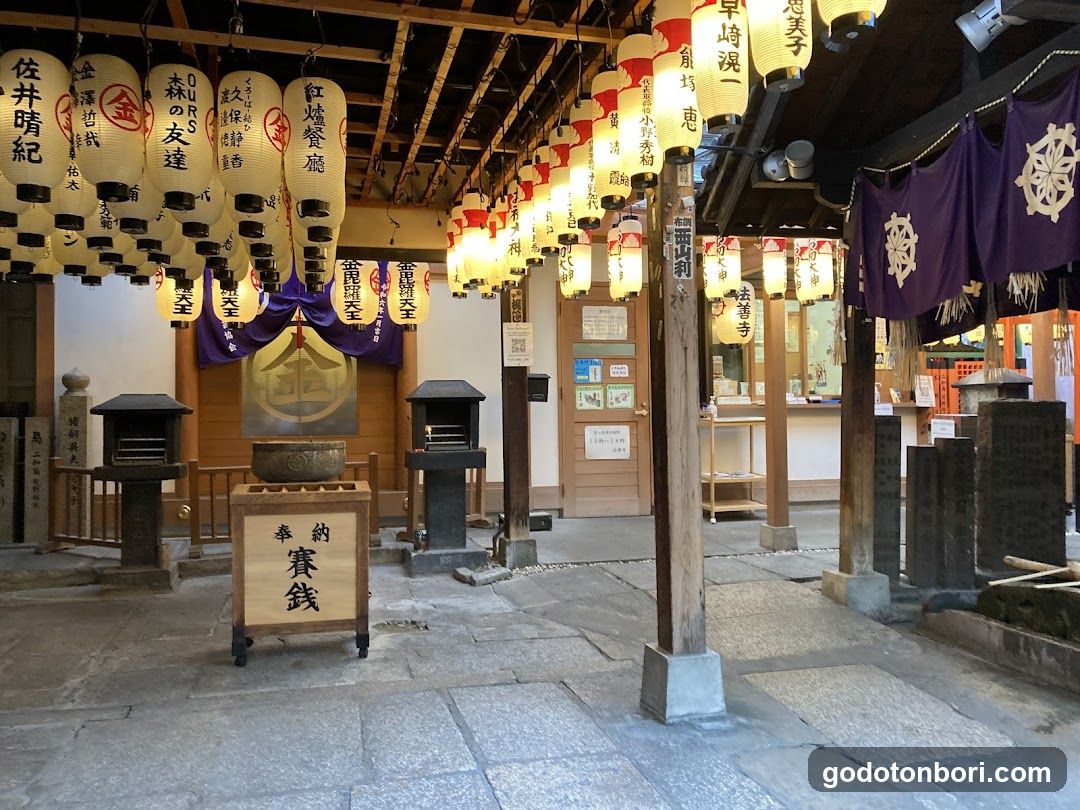
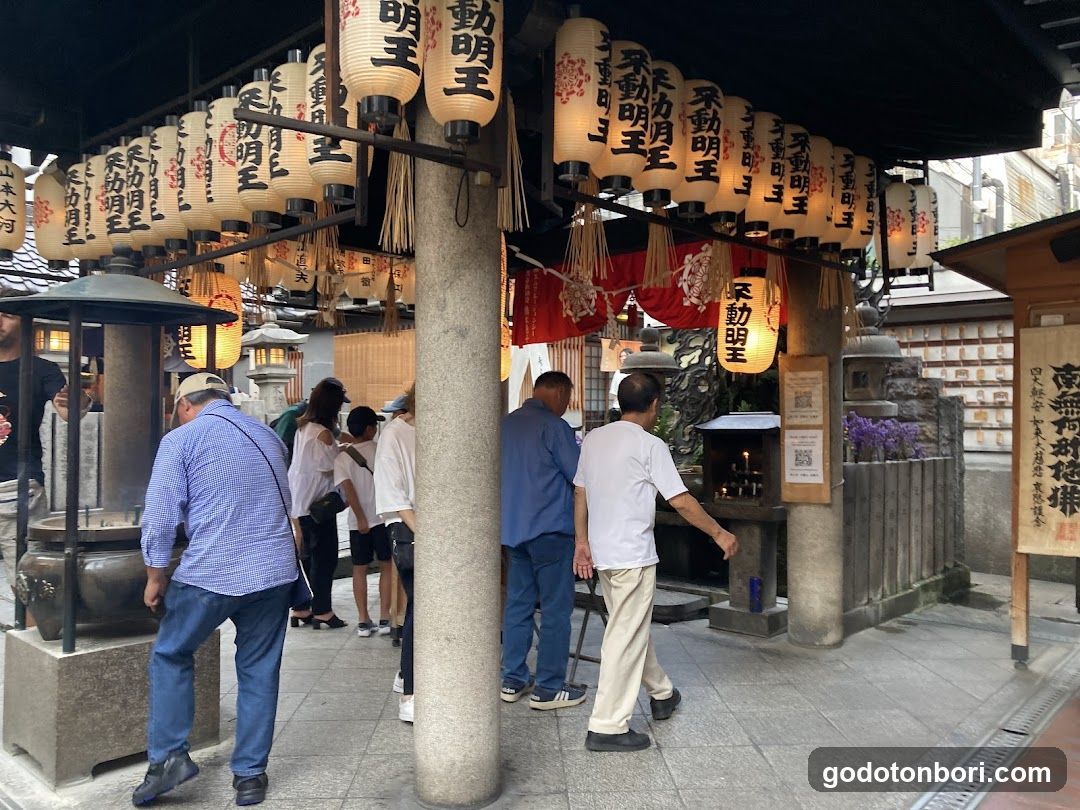
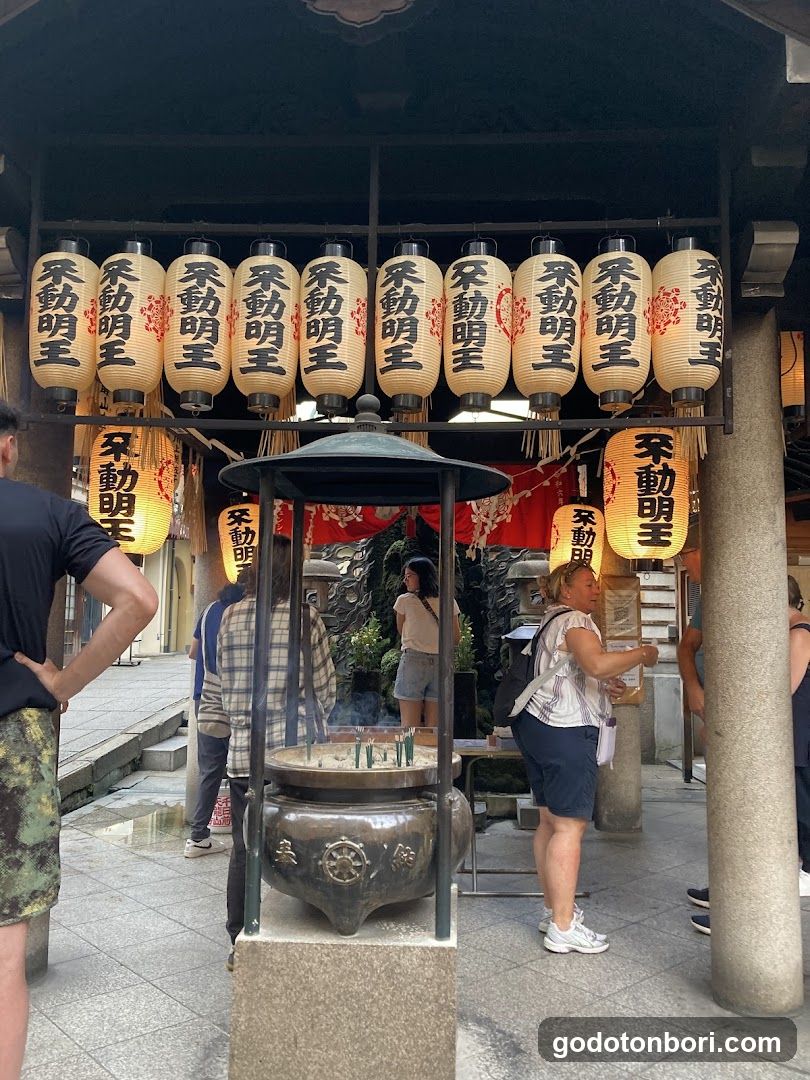
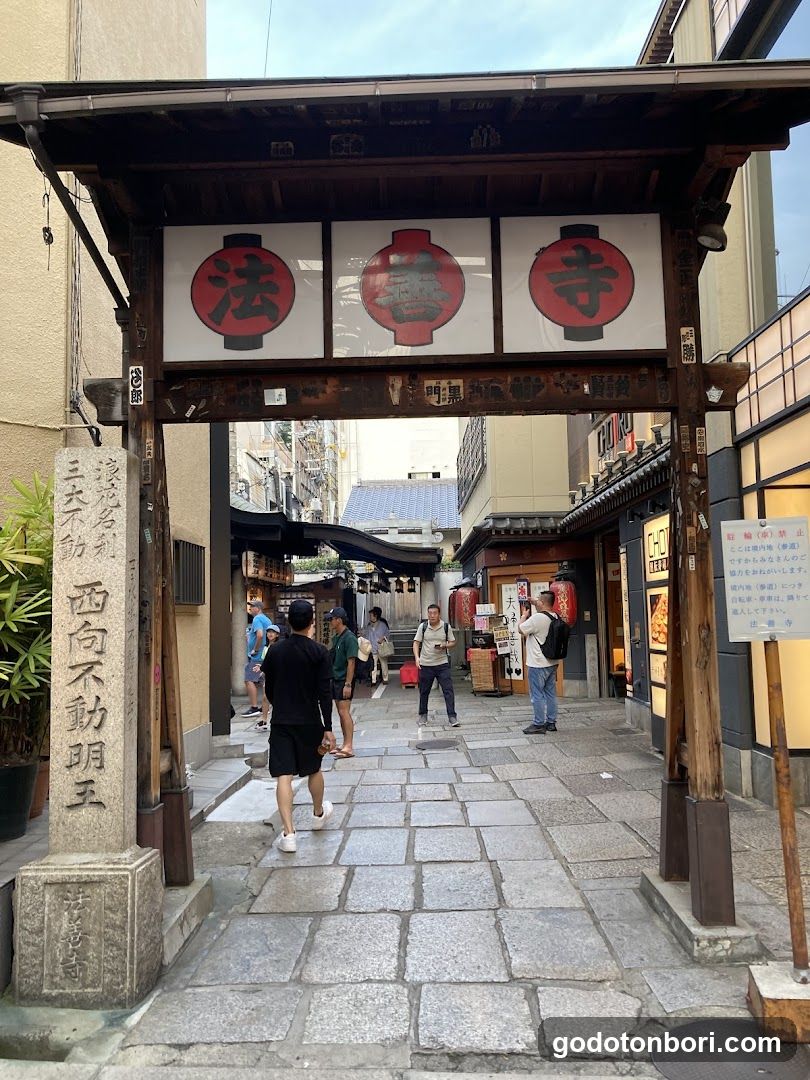
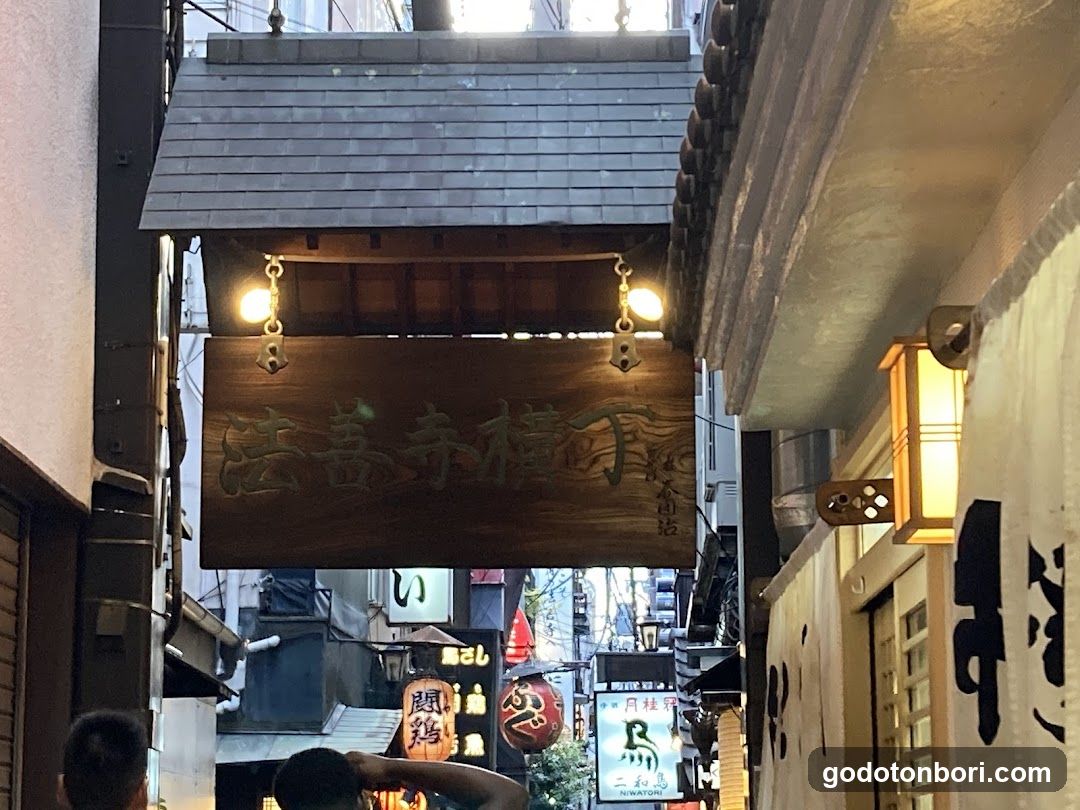
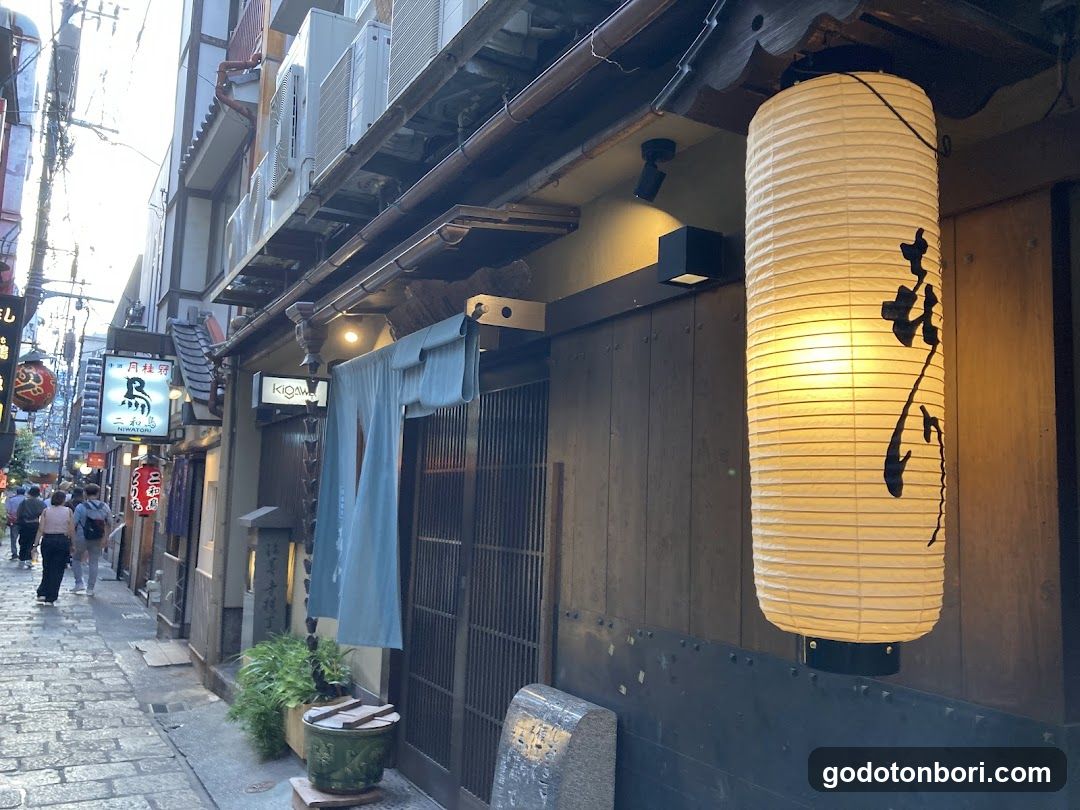
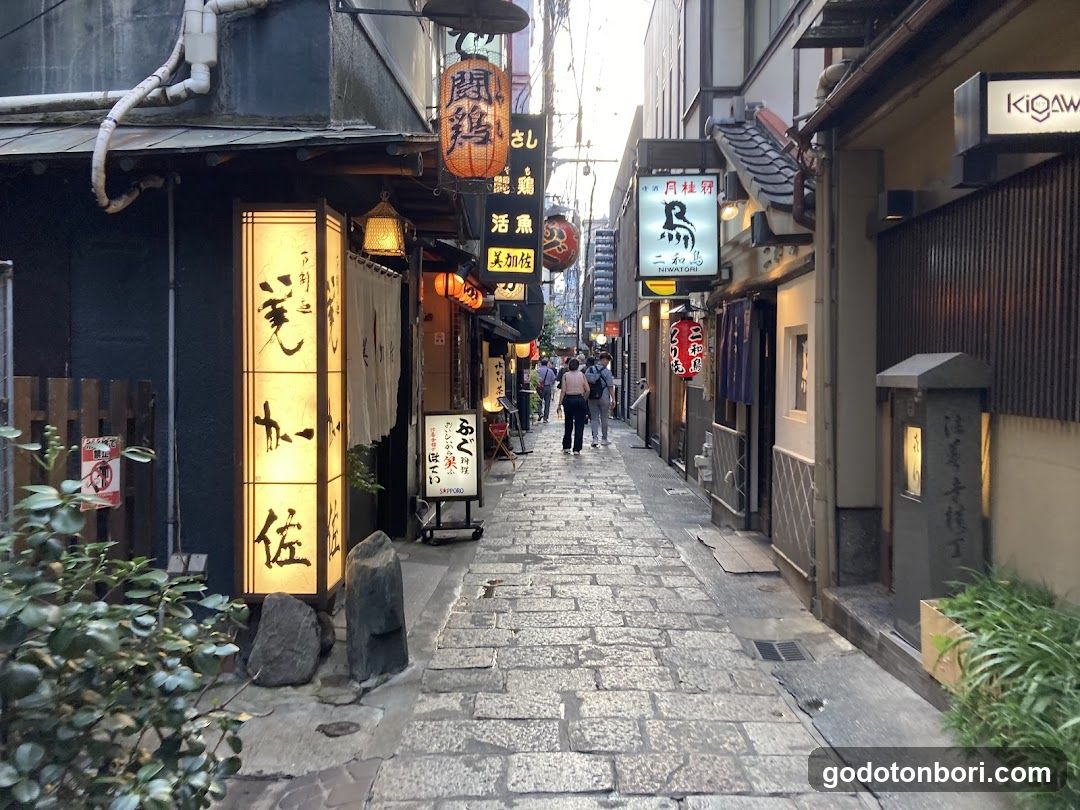
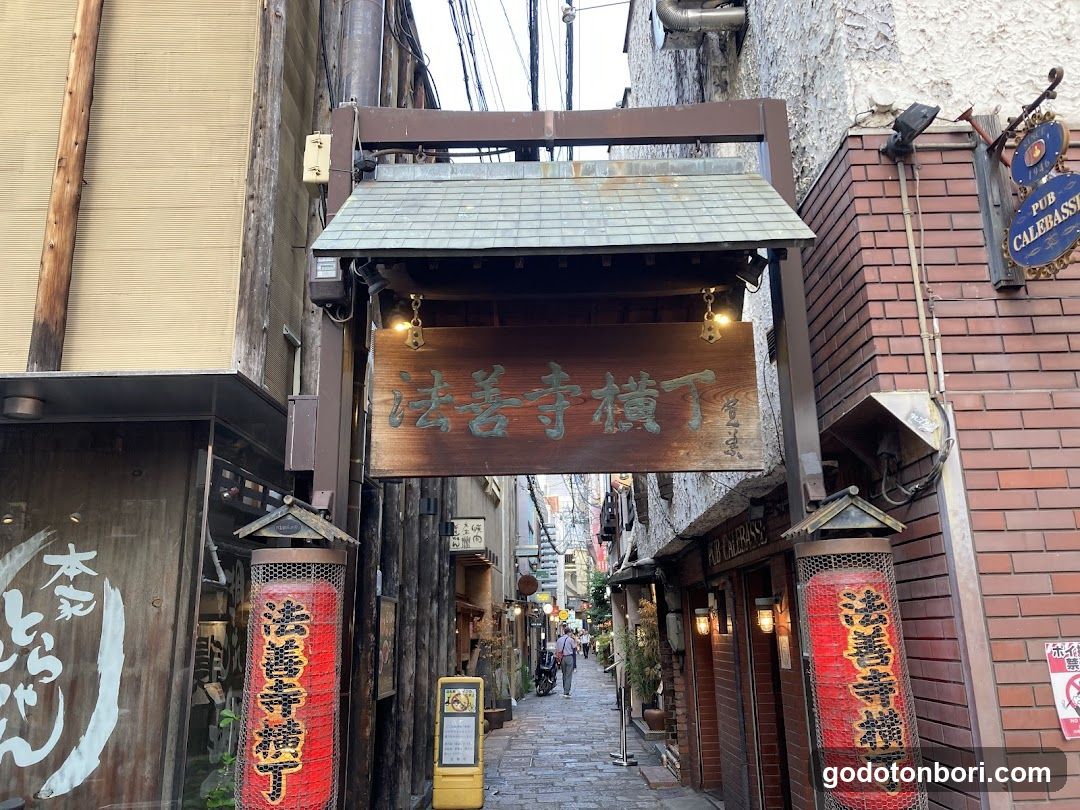
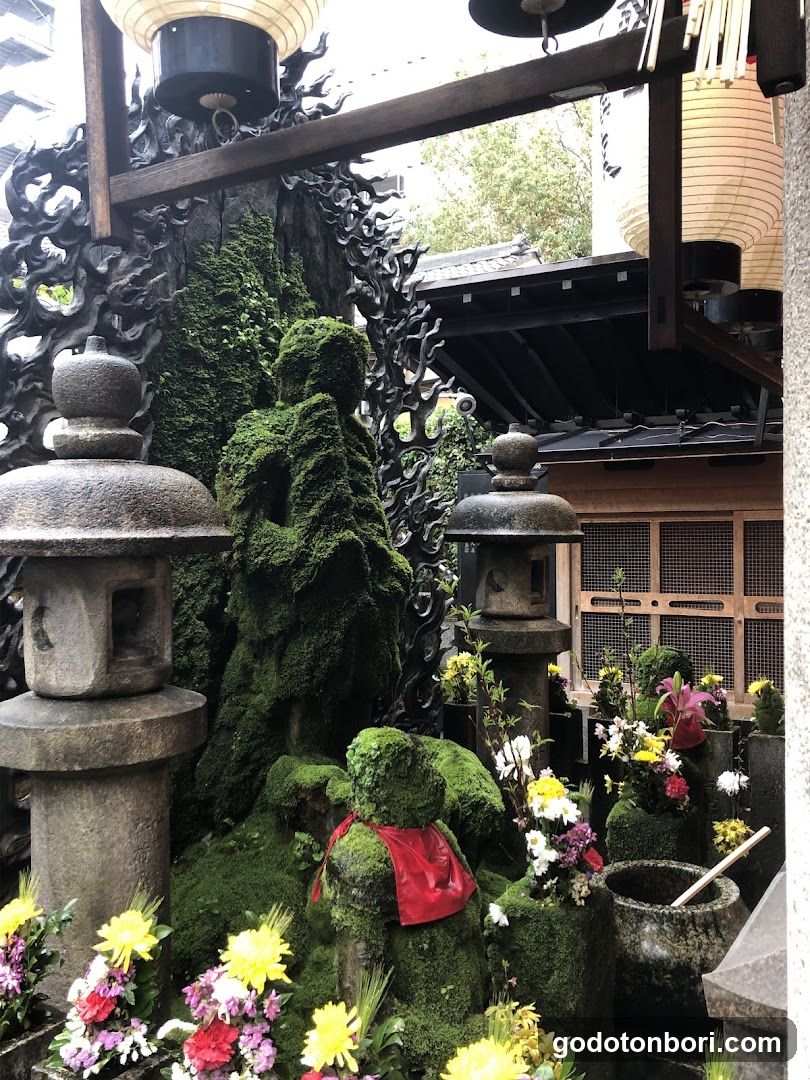
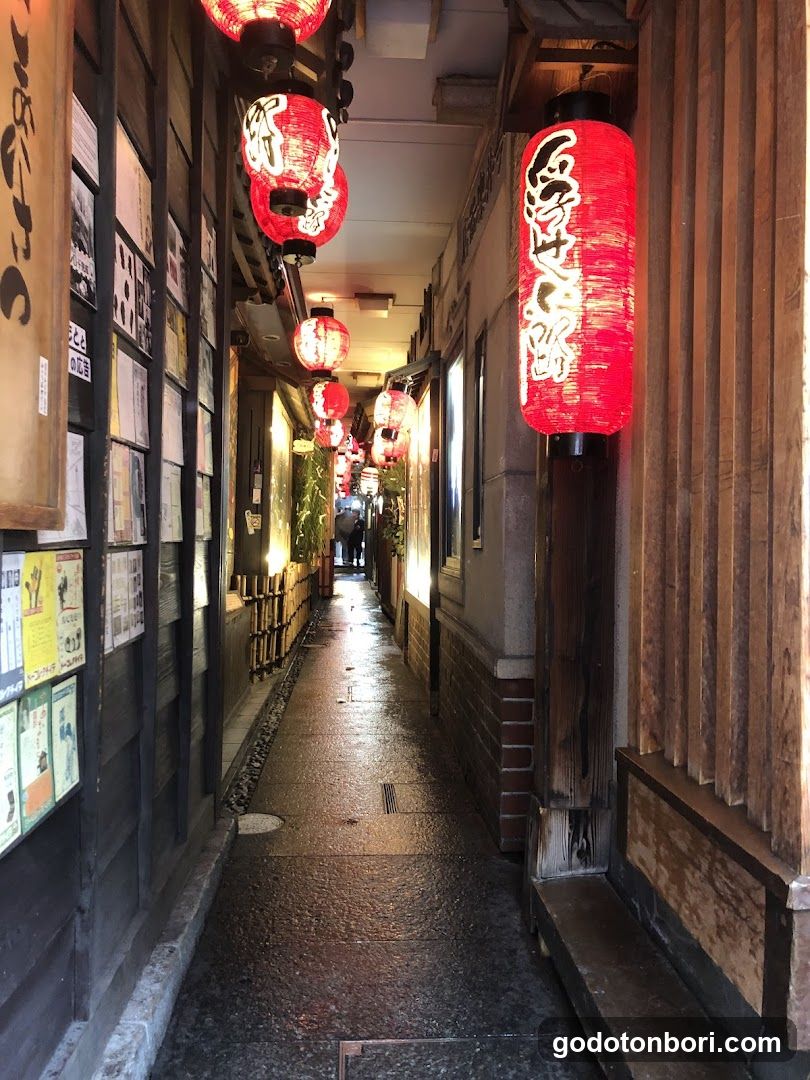
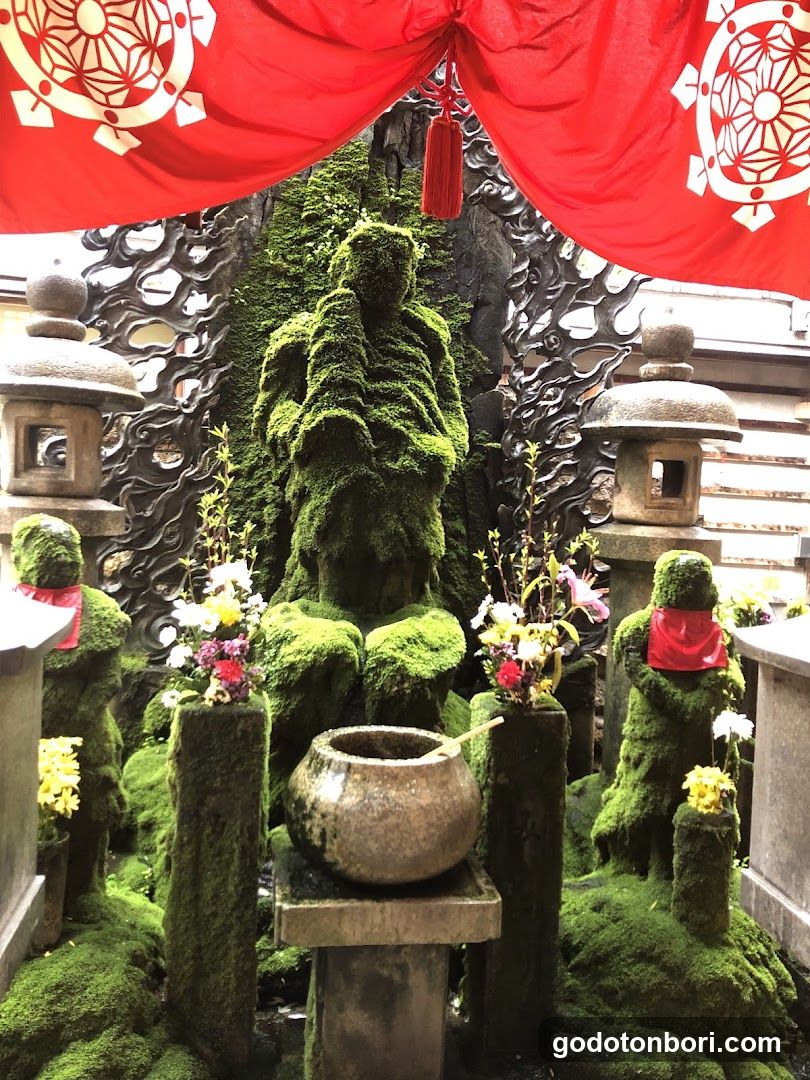
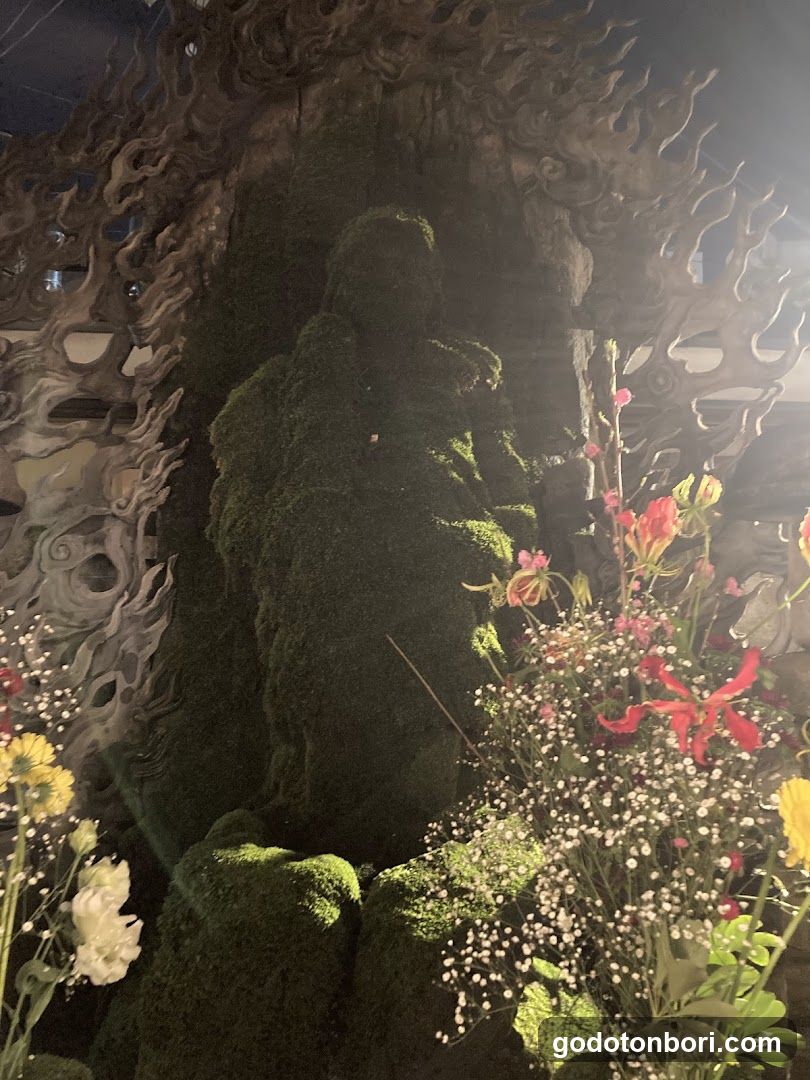
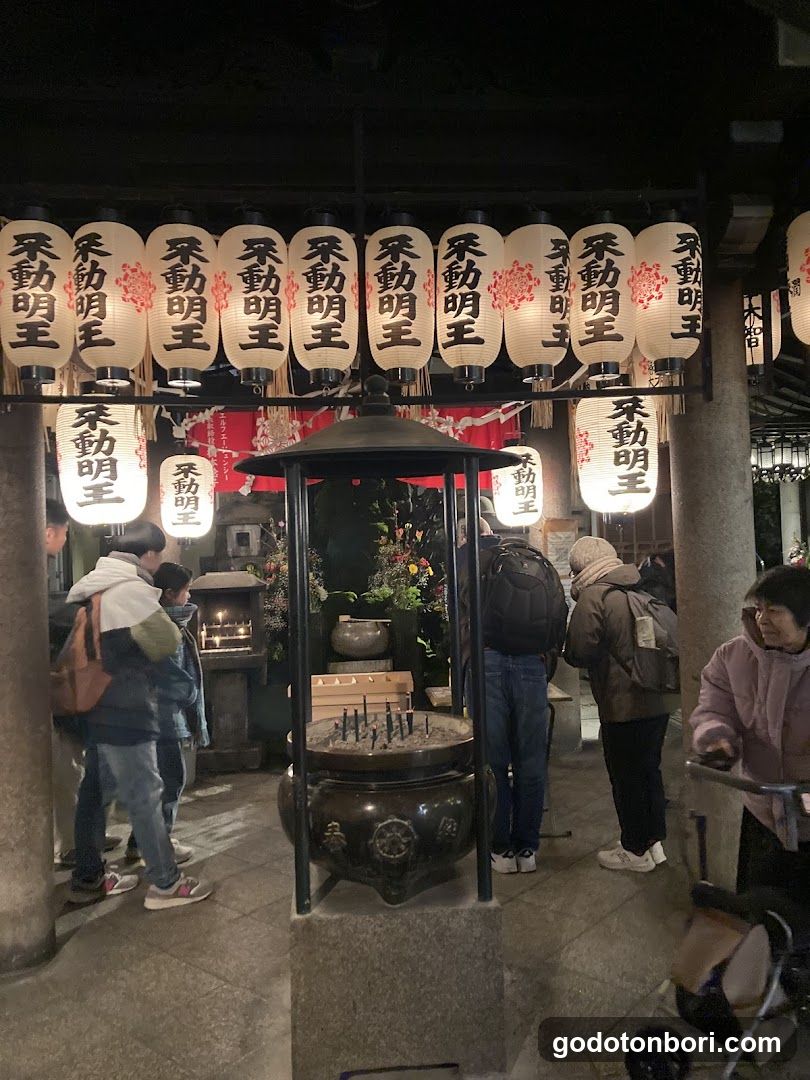
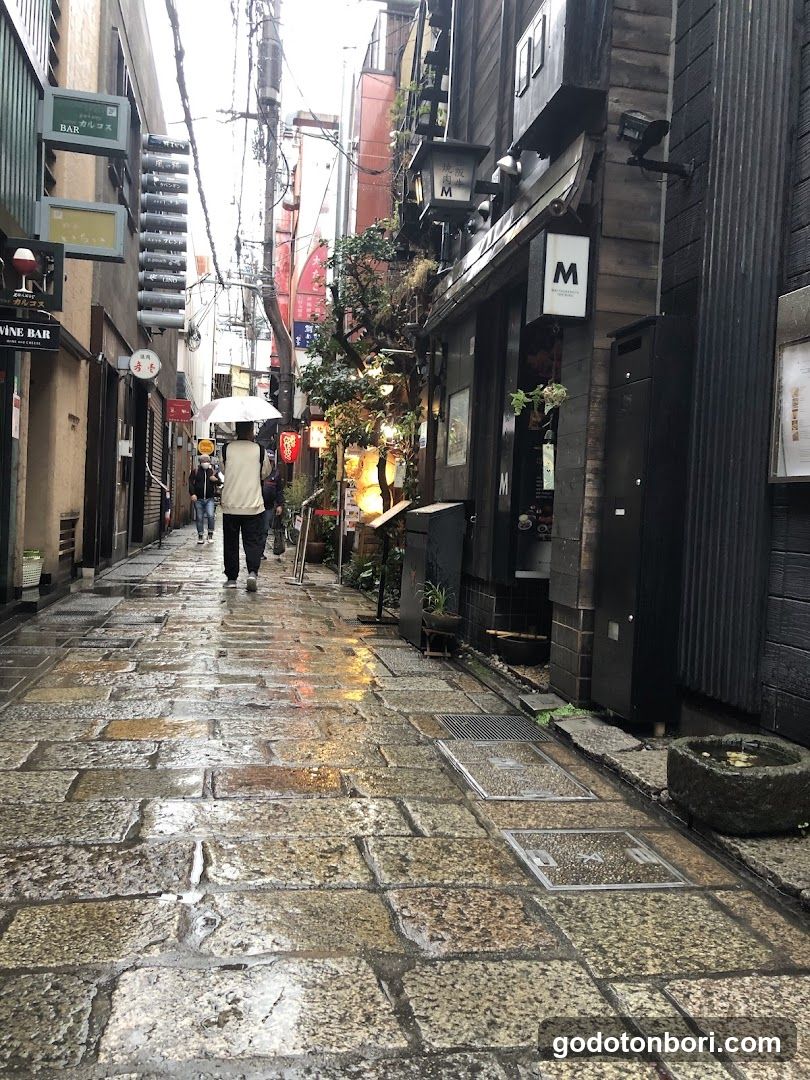
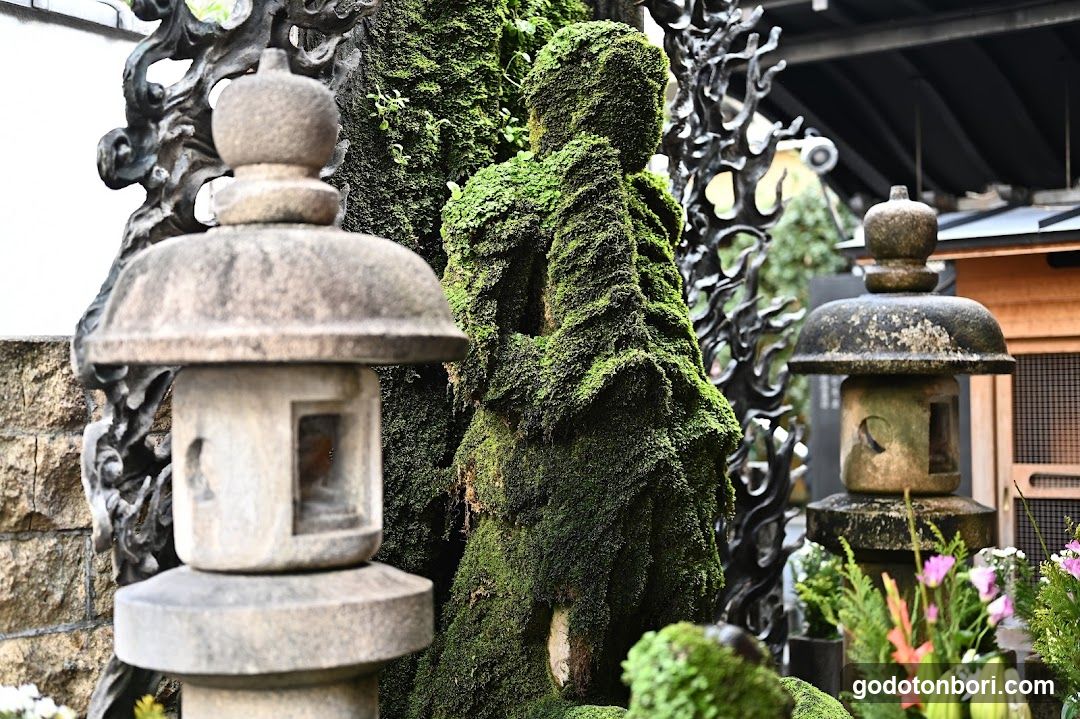
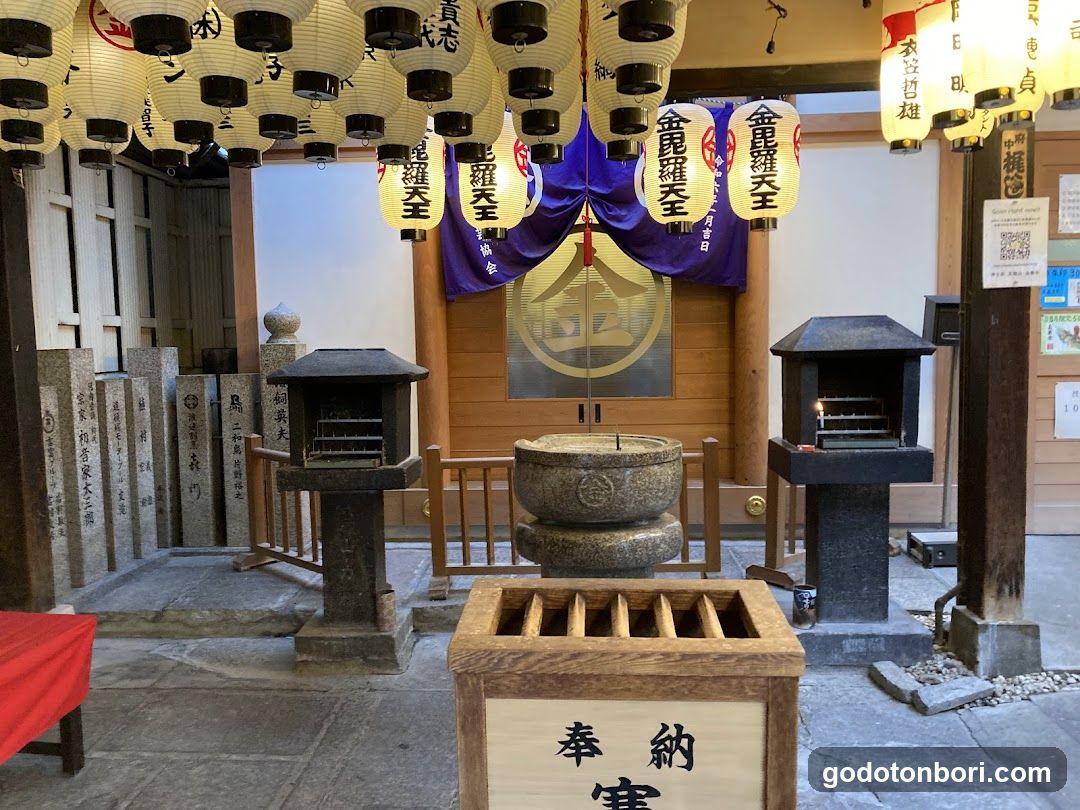
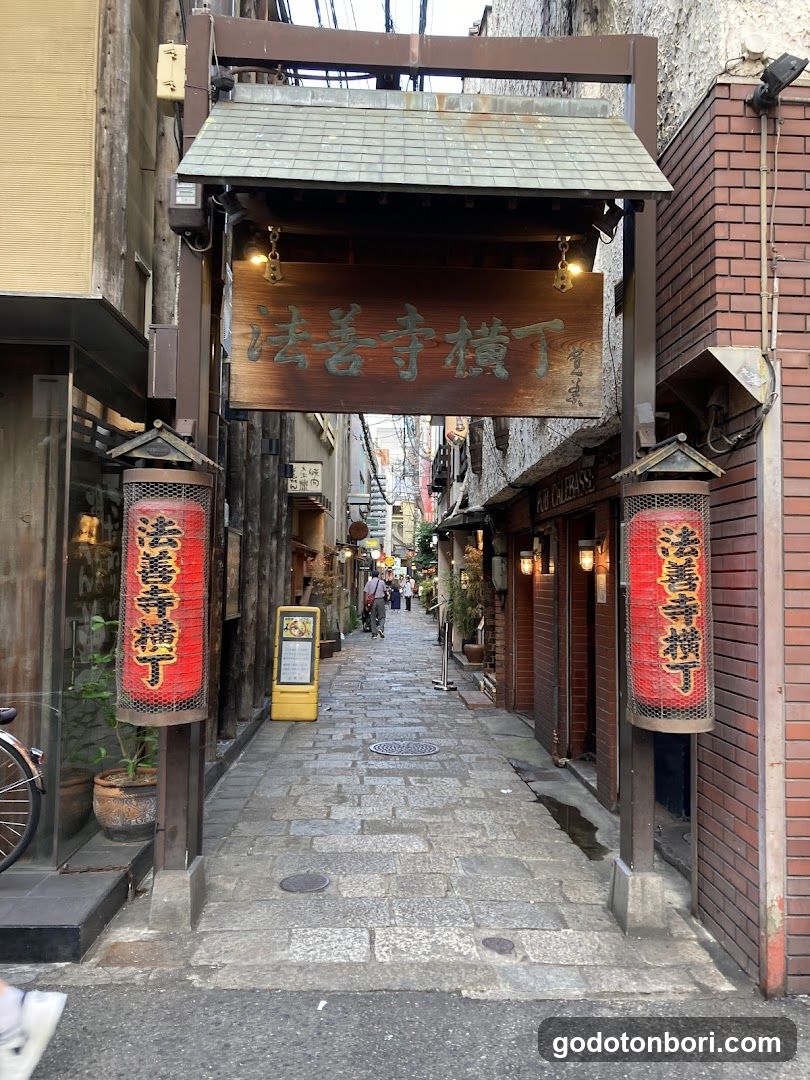
Mizukake Fudo in Hozenji Yokocho in Osaka. It's covered in moss and looks really nice. The cobblestone streets also have a really calming atmosphere, so it's one of my favorite places.
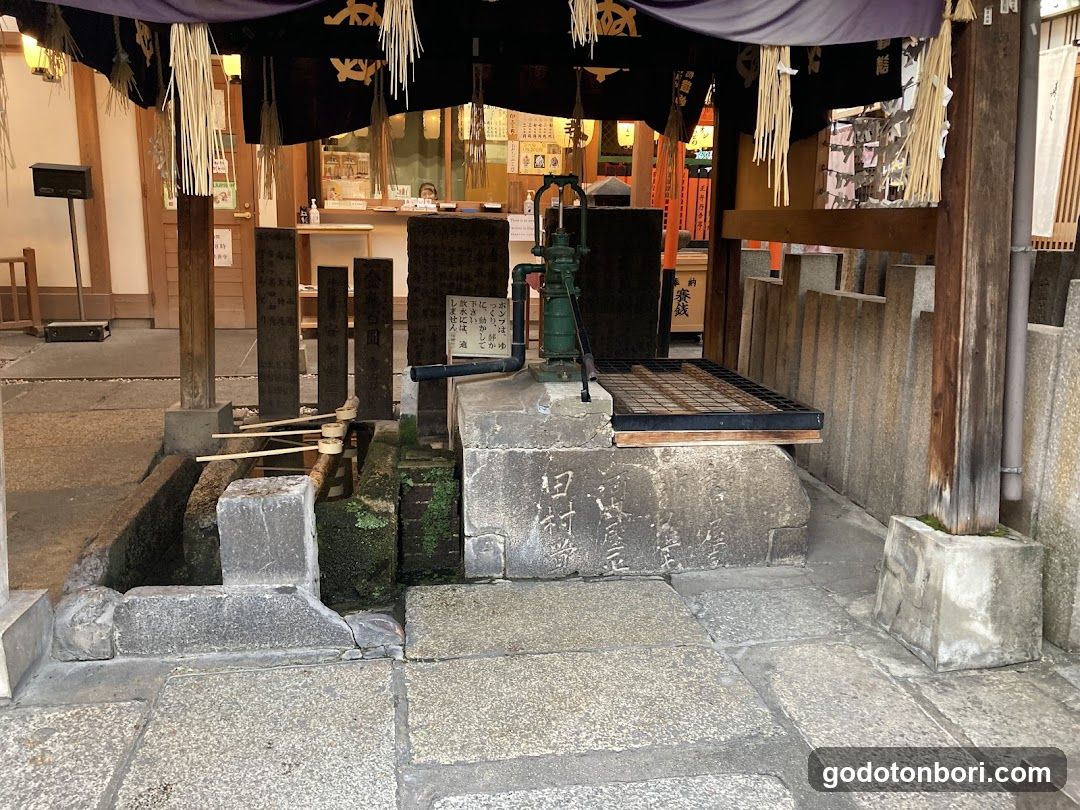
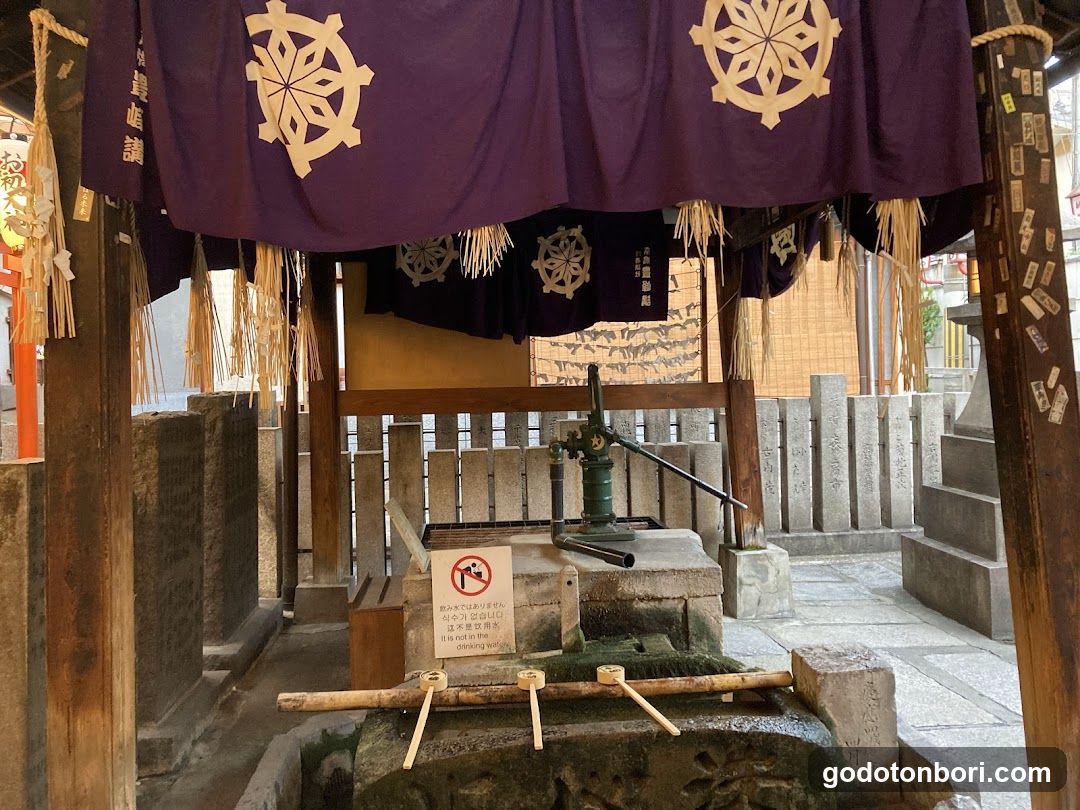
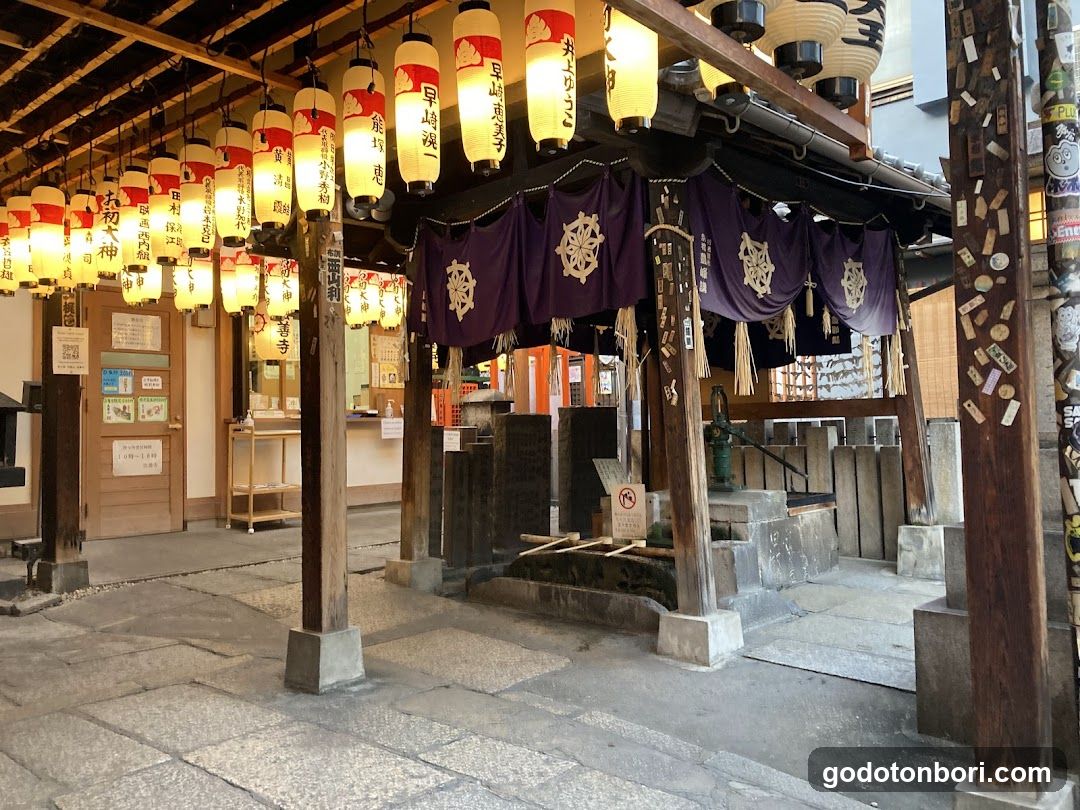
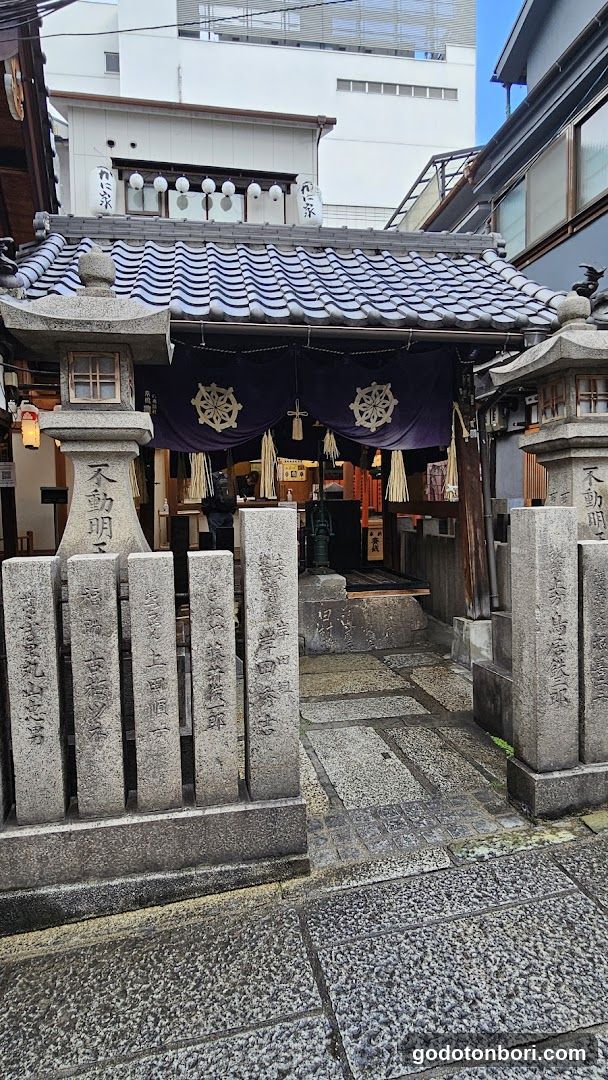
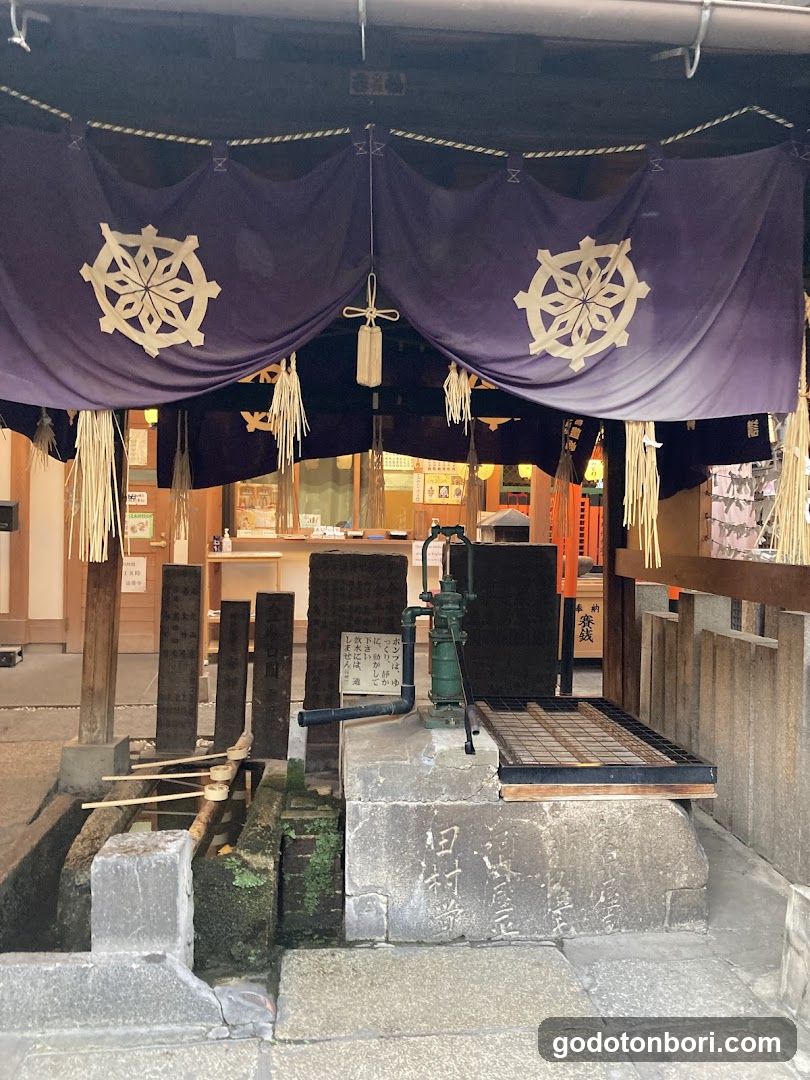
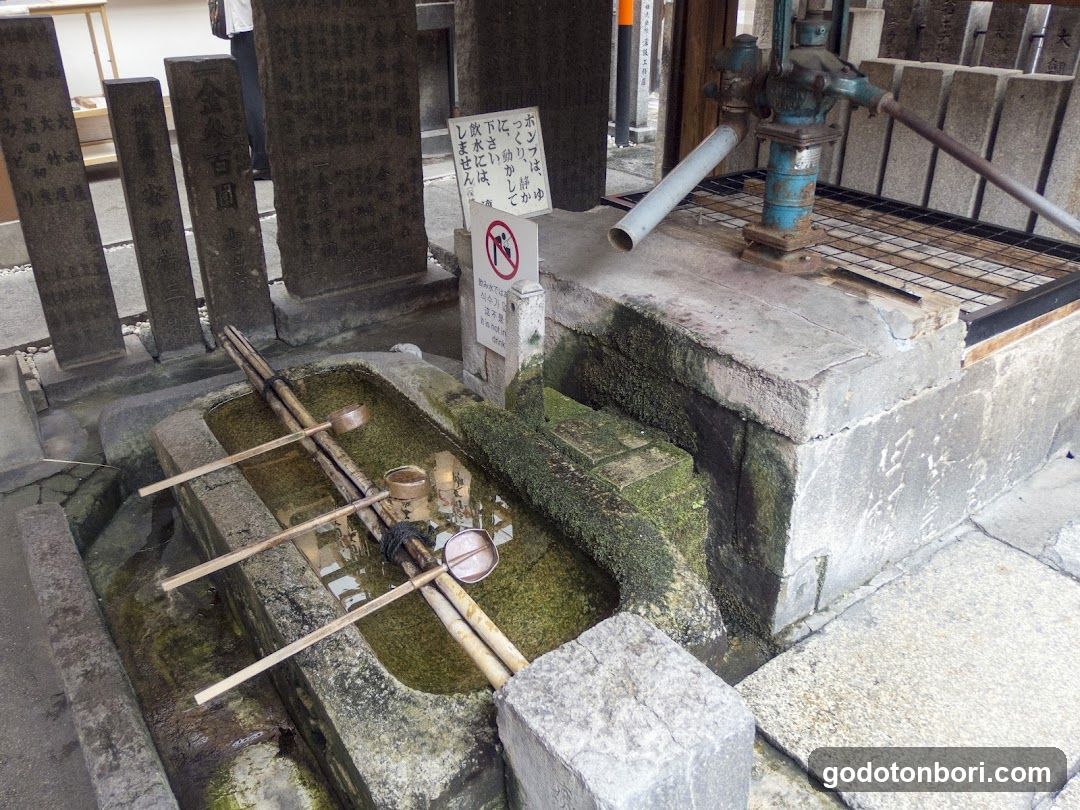
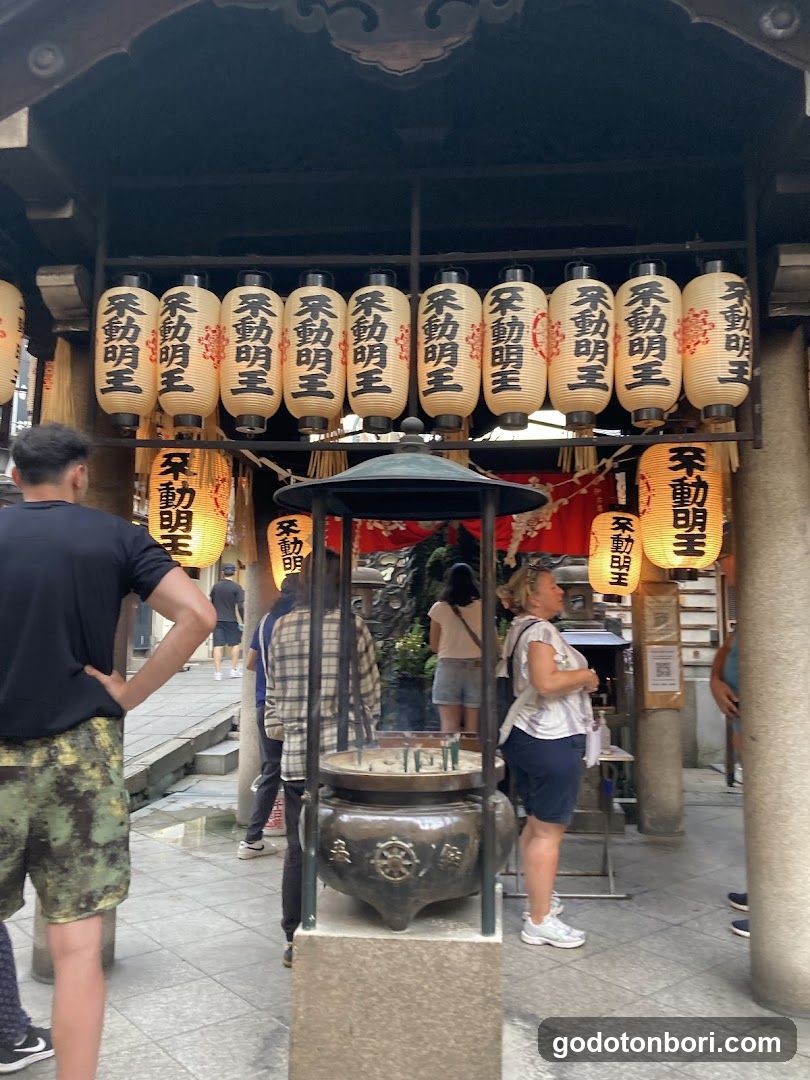
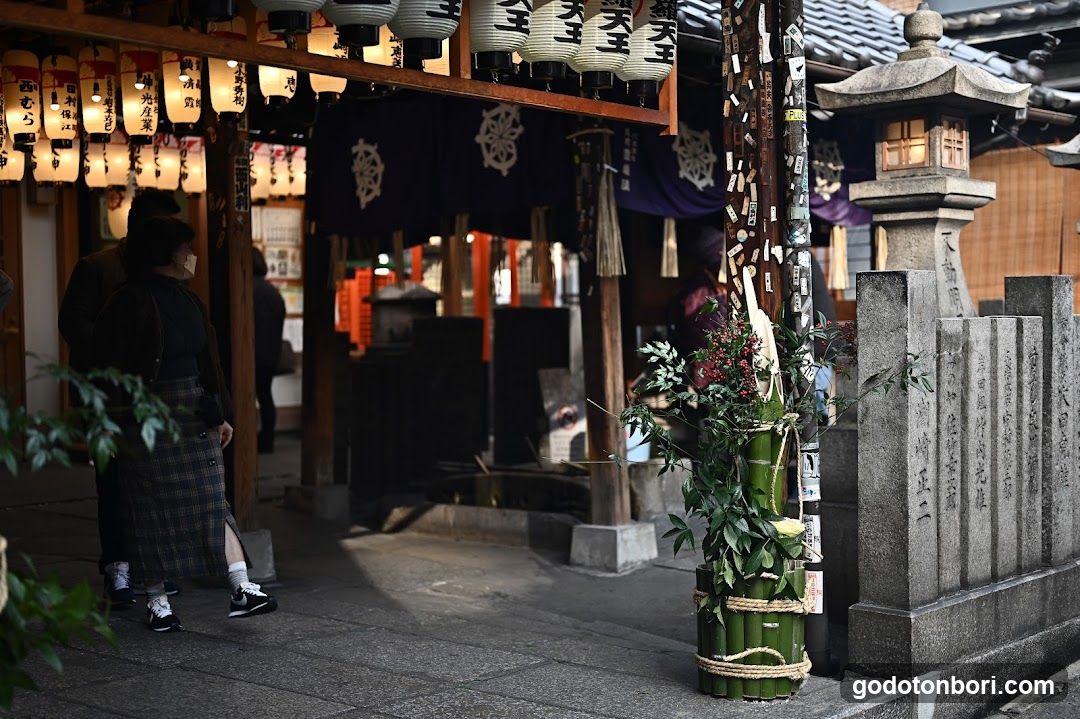
法善寺にある手水舎。参拝前に手と口を清めるための水屋です。
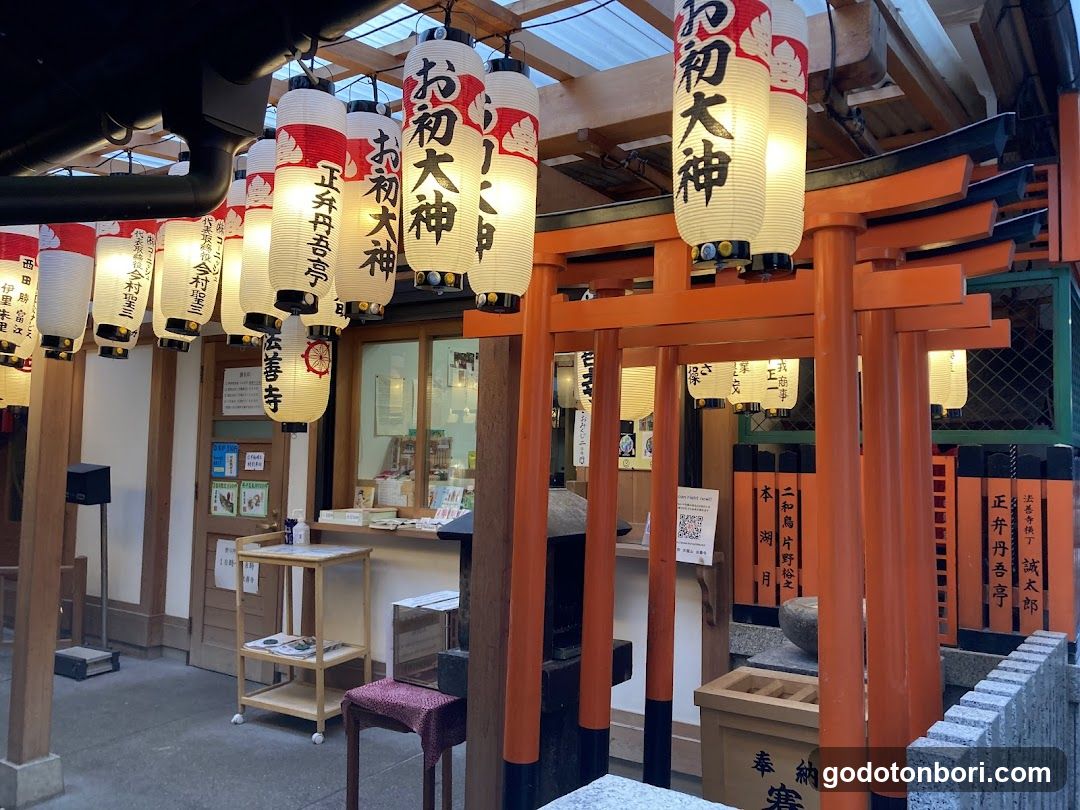
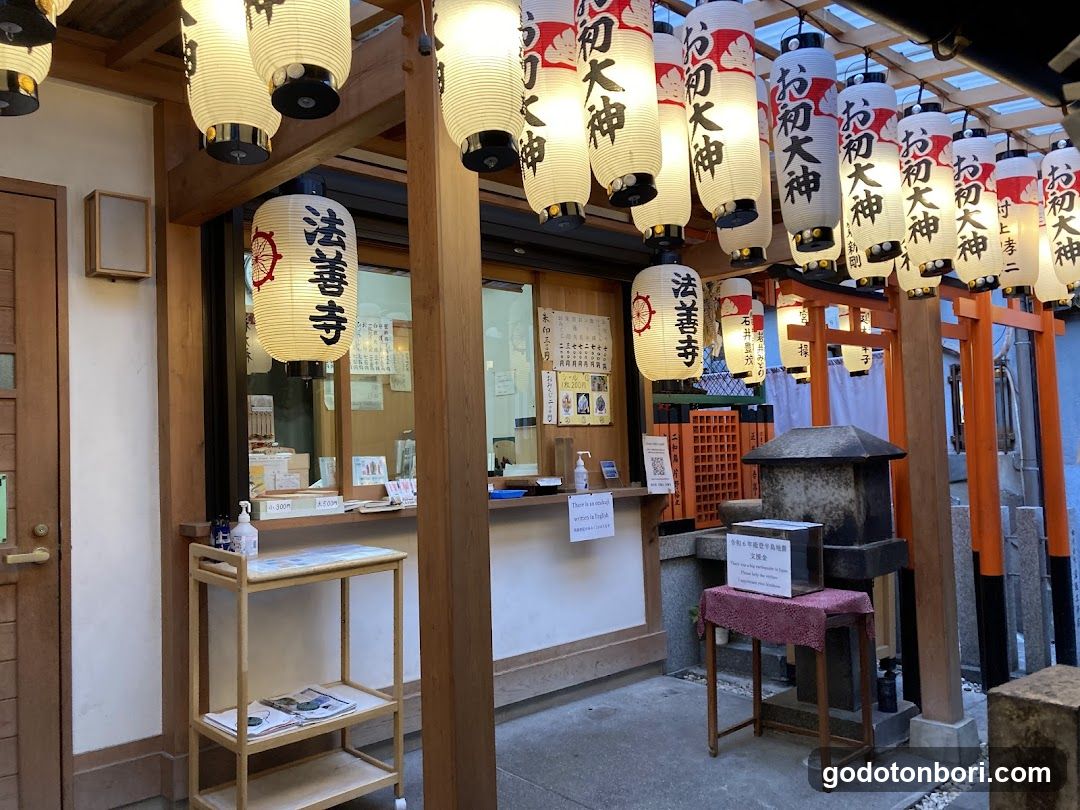
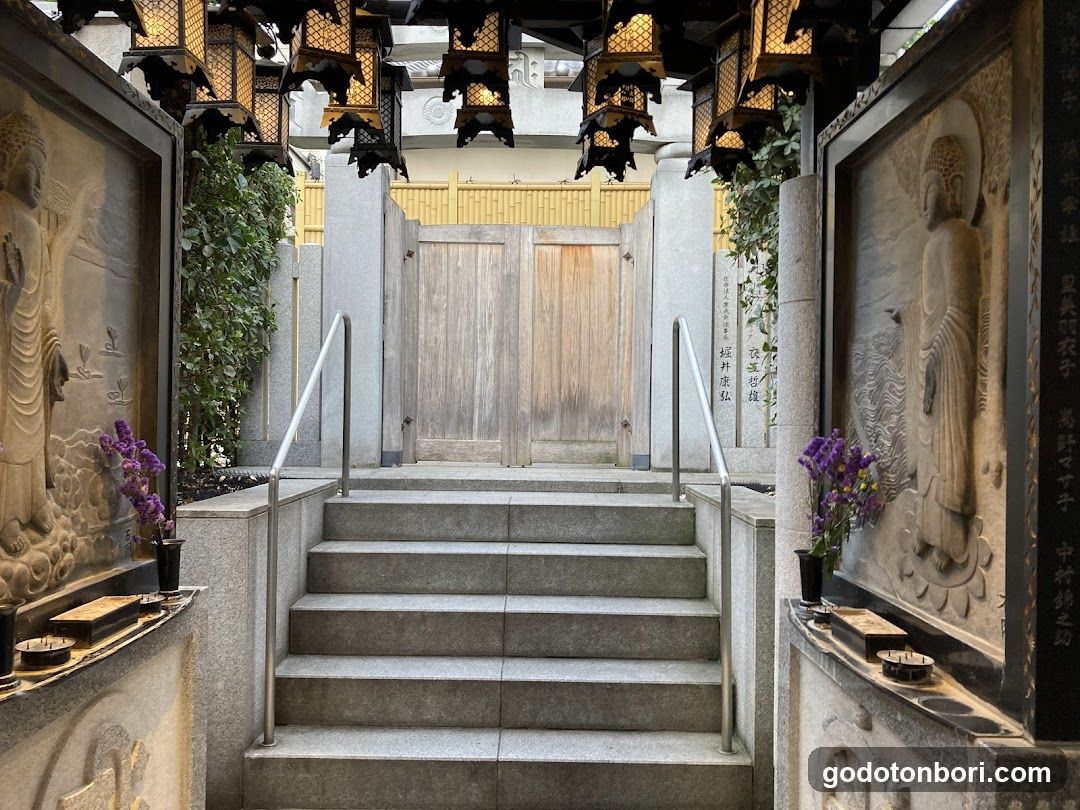
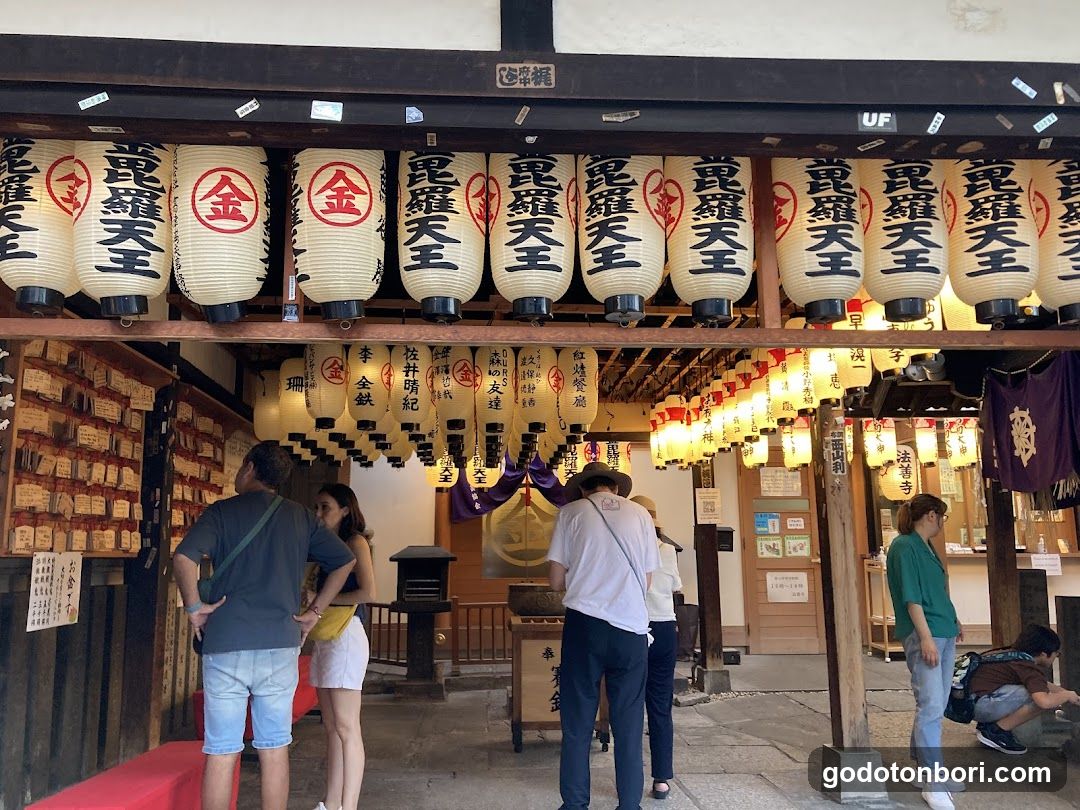
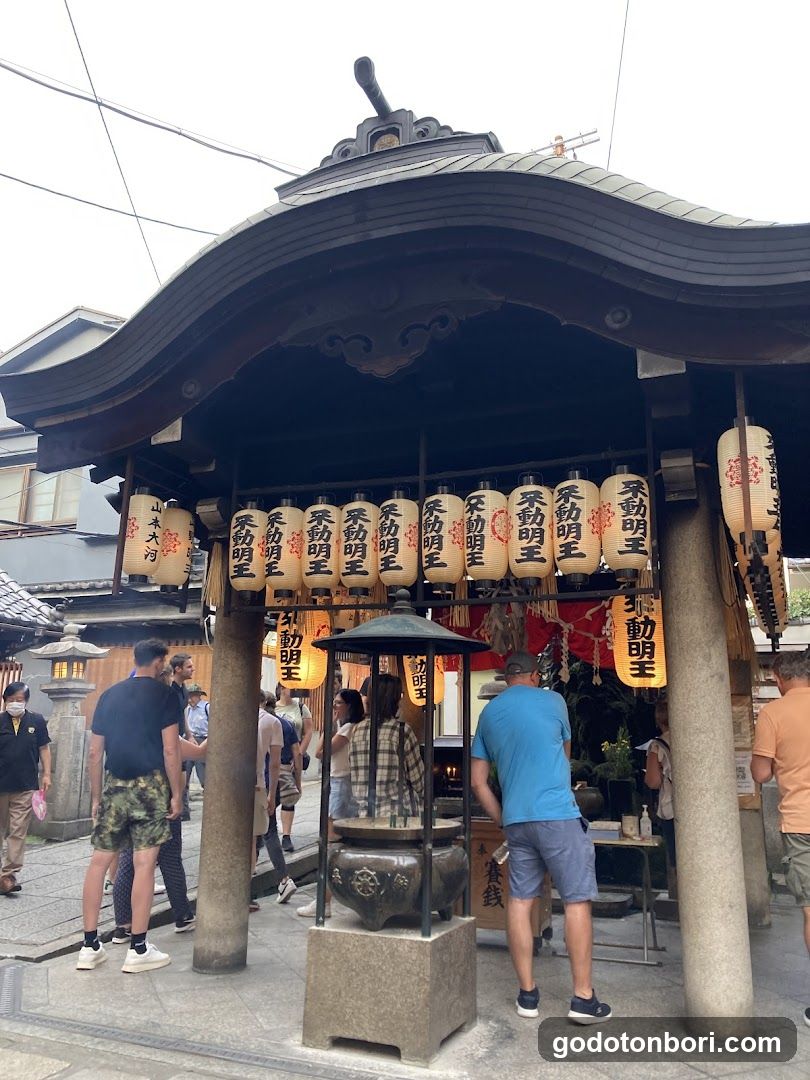
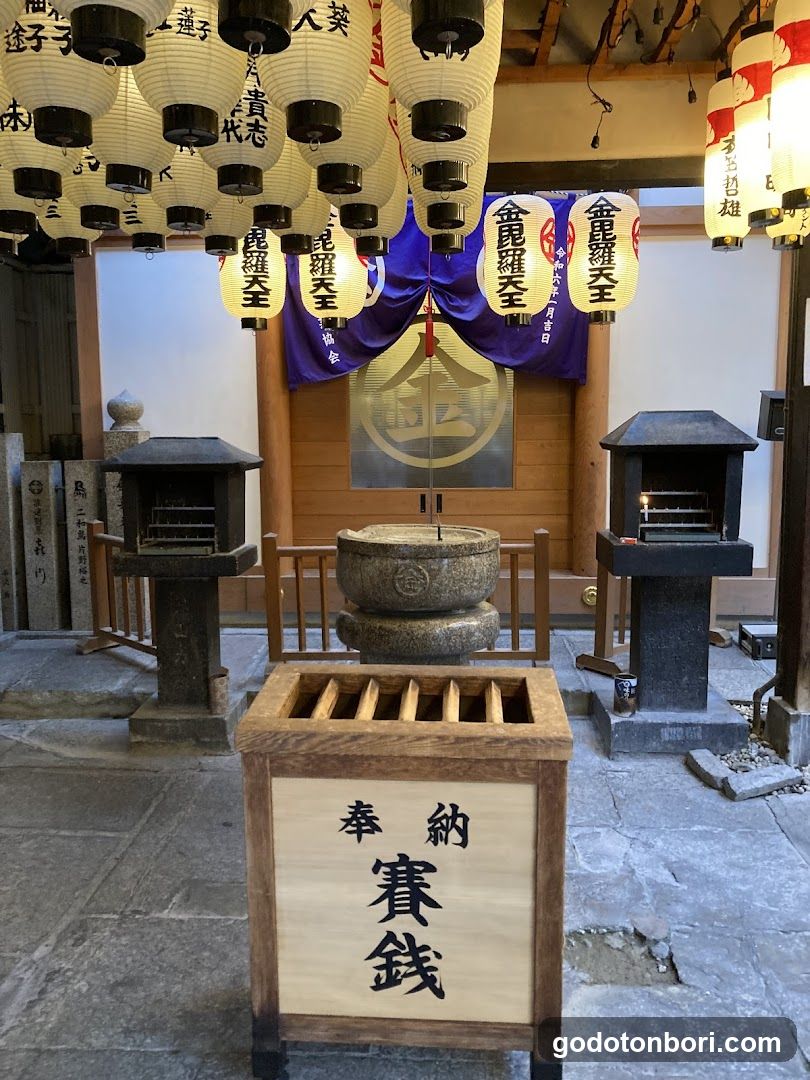
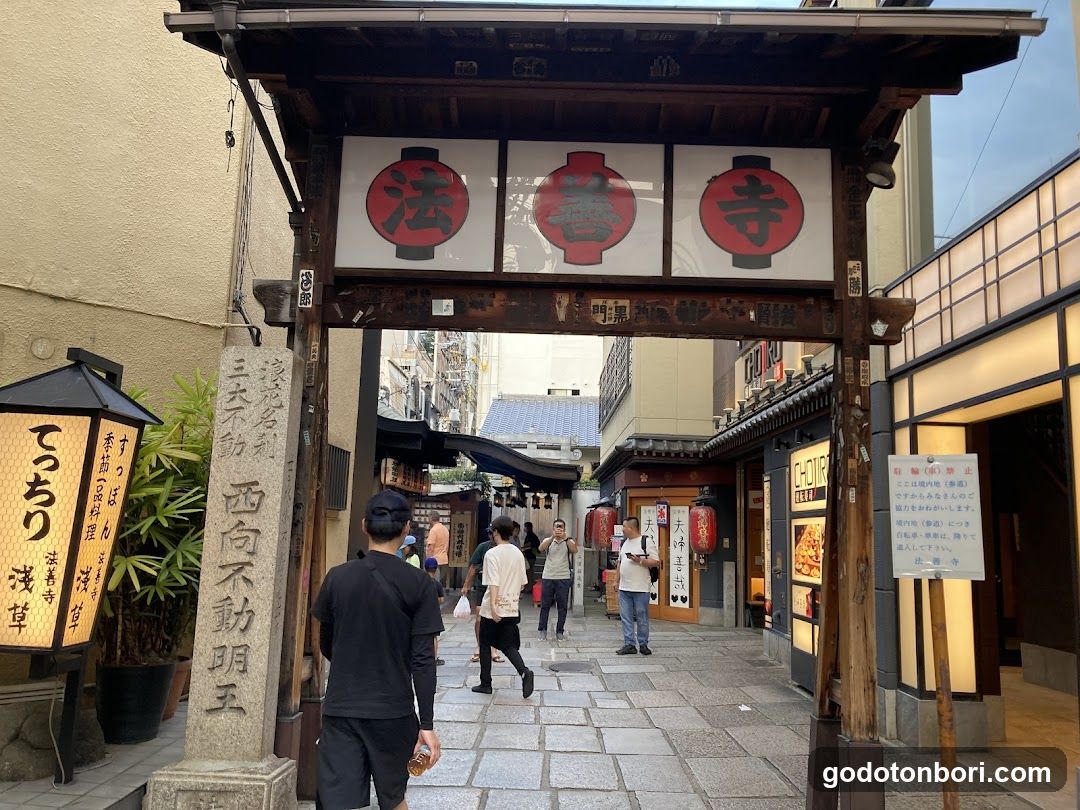
The temizuya, or chozuya, at Hozenji Temple is the traditional water ablution pavilion where visitors perform temizu, the ritual cleansing of hands and mouth before approaching the sacred precincts. It belongs to Tenryuzan Hozenji, a Jodo-shu (Pure Land) Buddhist temple founded in 1637 and tucked away down a cobblestone alley just behind the neon glow of Dotonbori. The temple is best known for its moss-covered Mizukake Fudo statue, to which worshippers ladle water whilst making a wish, and the chozuya forms the first station of this quiet, contemplative visit. The pavilion contains a stone water basin, or chozubachi, supplied with fresh running water, and visitors follow a simple sequence: washing the left hand, then the right, rinsing the mouth, and finally cleaning the ladle handle for the next person. This act of purification reflects a core principle of Japanese religious practice, shared across both Shinto shrines and Buddhist temples, marking the transition from the bustle of the everyday world into a sacred space. Even amidst the late-night revelry of Namba, the temple grounds remain open around the clock, and the gentle sound of water at the chozuya offers a moment of calm. For travellers exploring the Minami district, stopping to perform temizu at Hozenji is a small but meaningful ritual that connects you to centuries of local worship. It is a perfect, low-key introduction to Japanese temple etiquette before continuing on to the famous Mizukake Fudo and the lantern-lit Hozenji Yokocho alley beyond.
法善寺にある手水舎。参拝前に手と口を清めるための水屋です。