高橋俊男
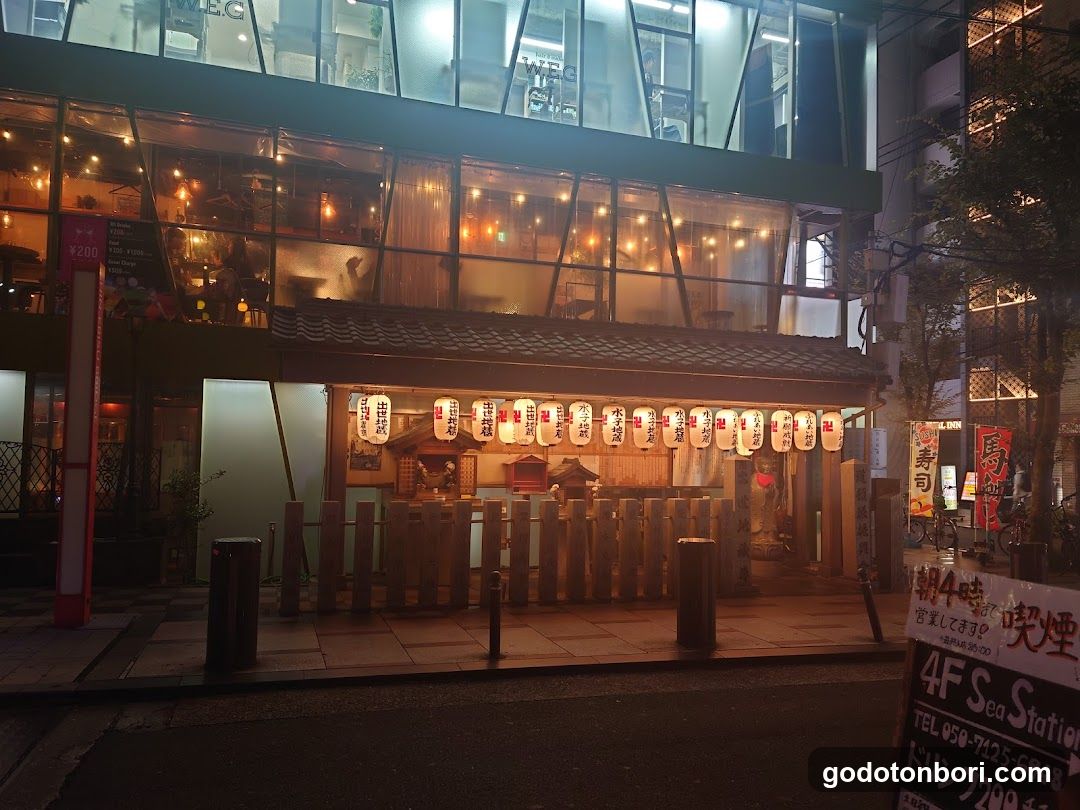
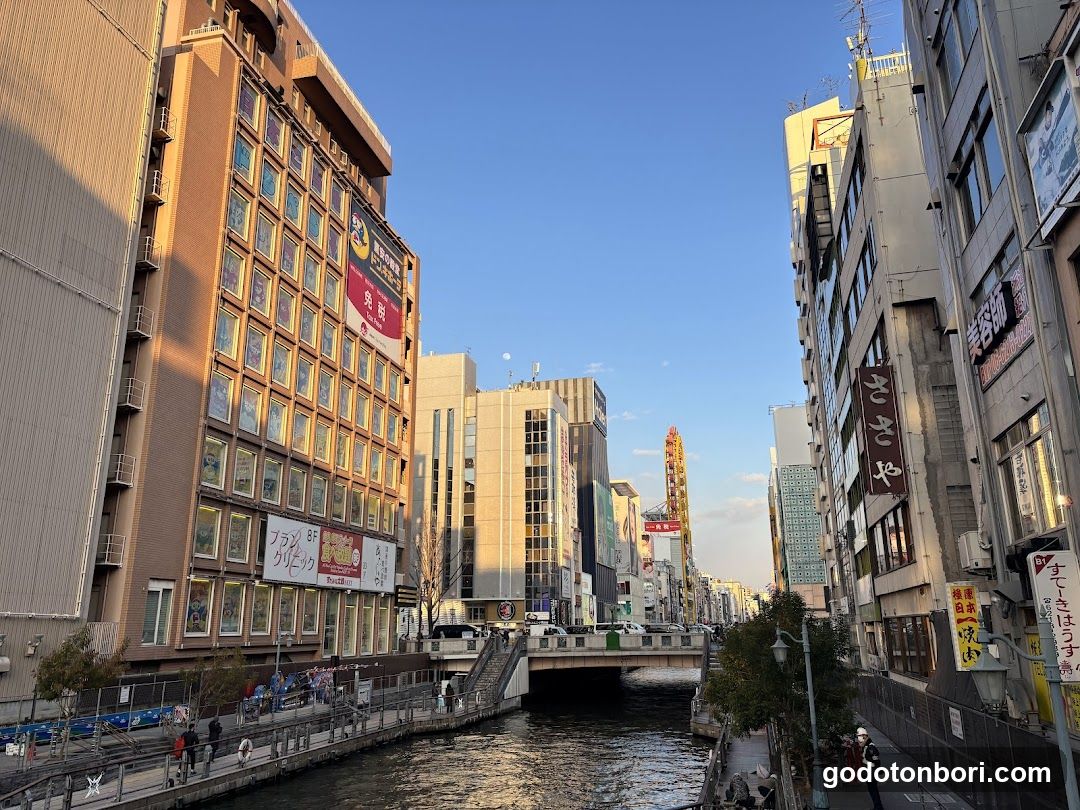
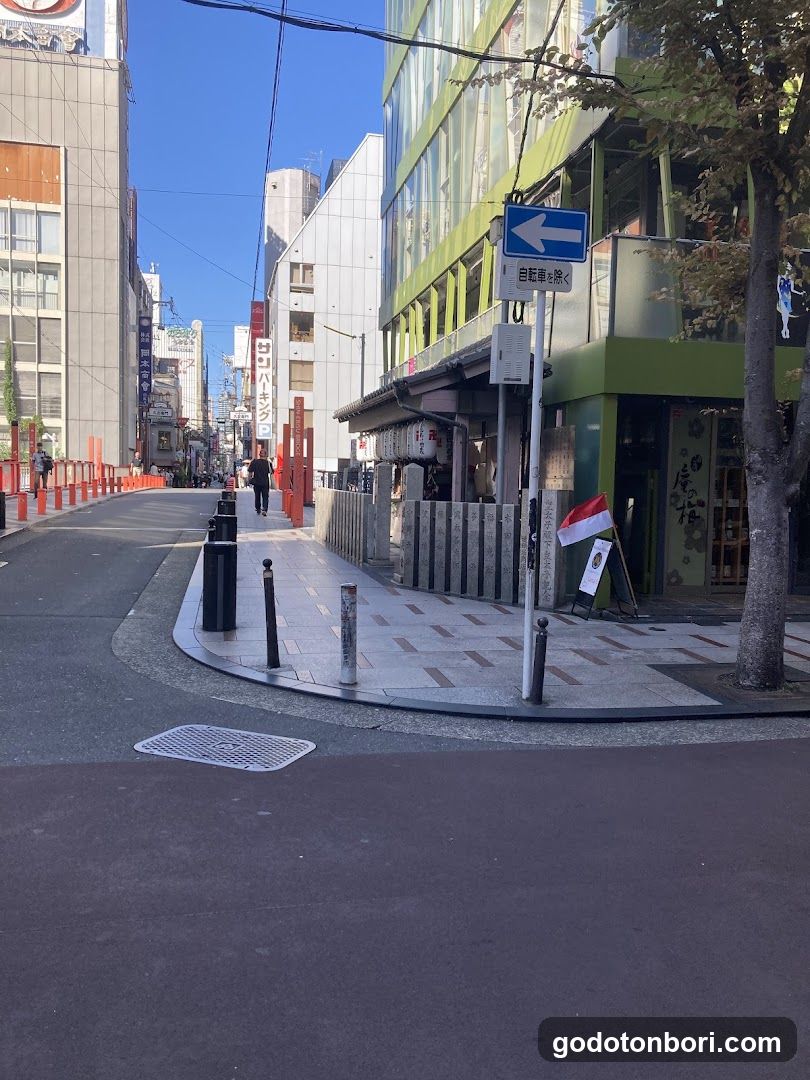
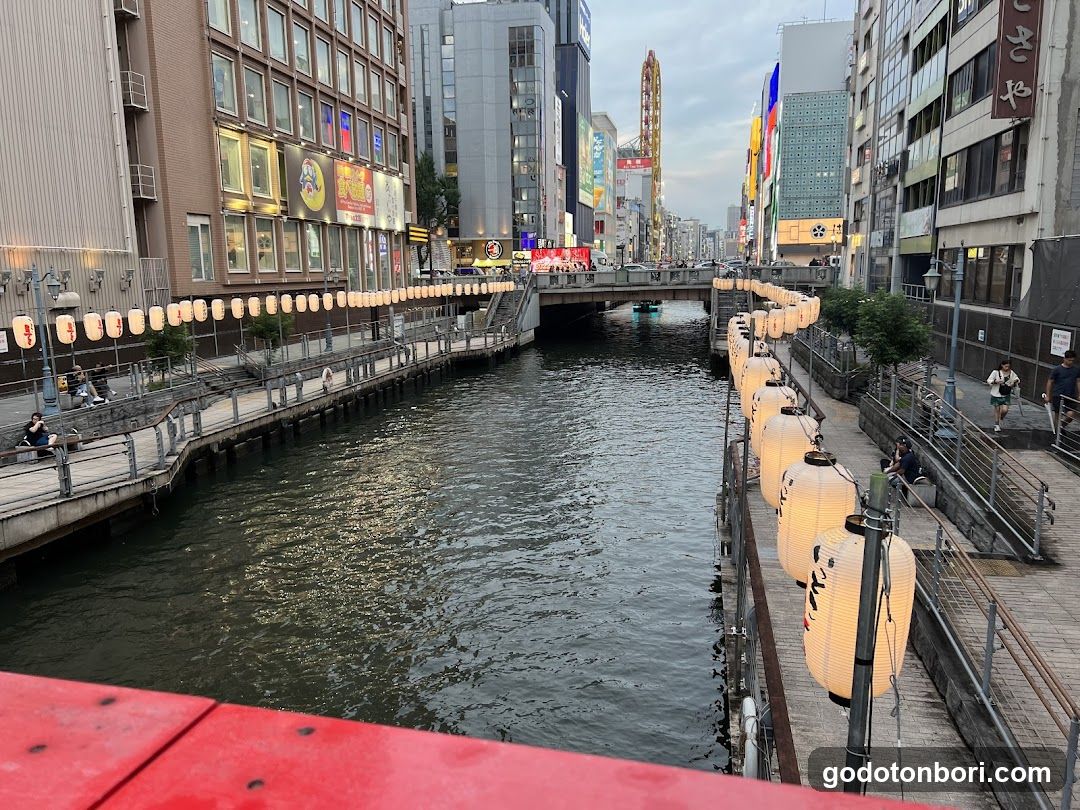
The area around what is now Dotonbori 2-chome, a power spot in Osaka's Dotonbori district, was formerly known as Kuroemoncho and, along with Soemoncho on the north bank of the bridge, was one of the two major geisha districts that …
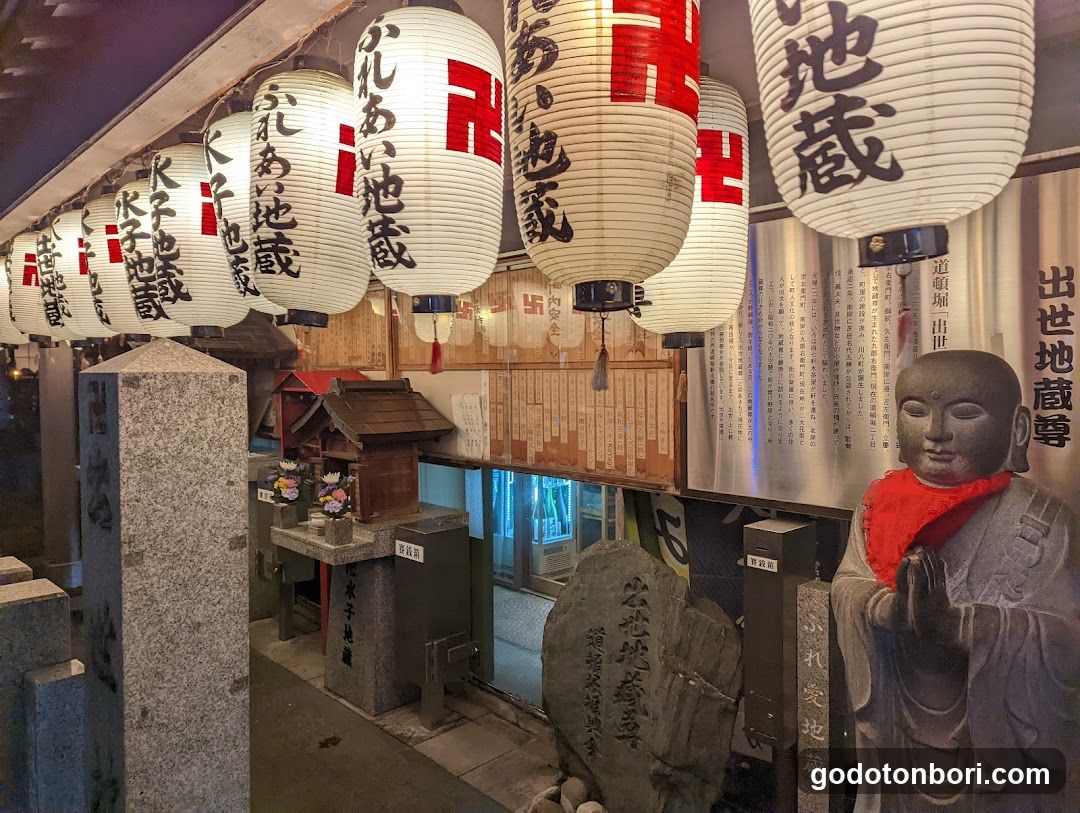
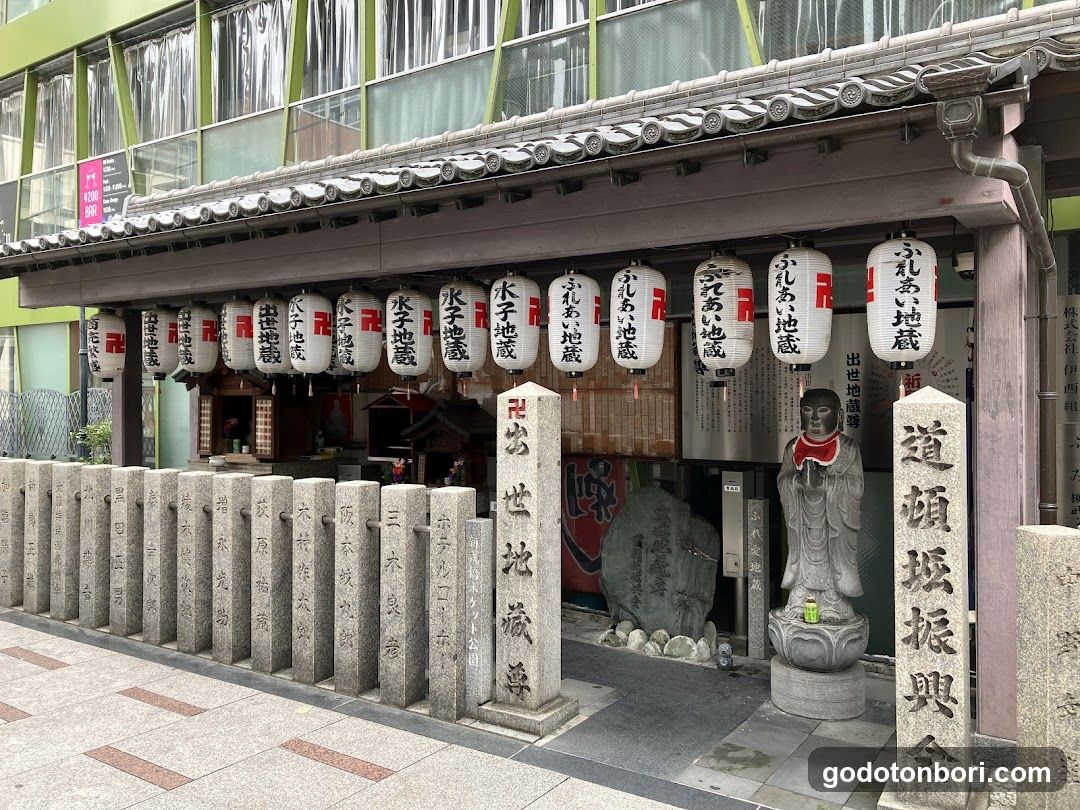
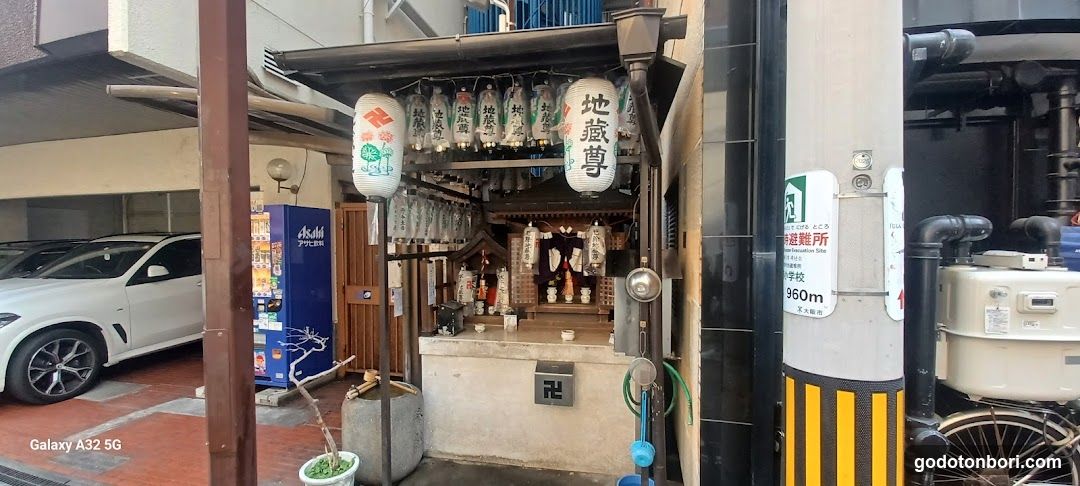
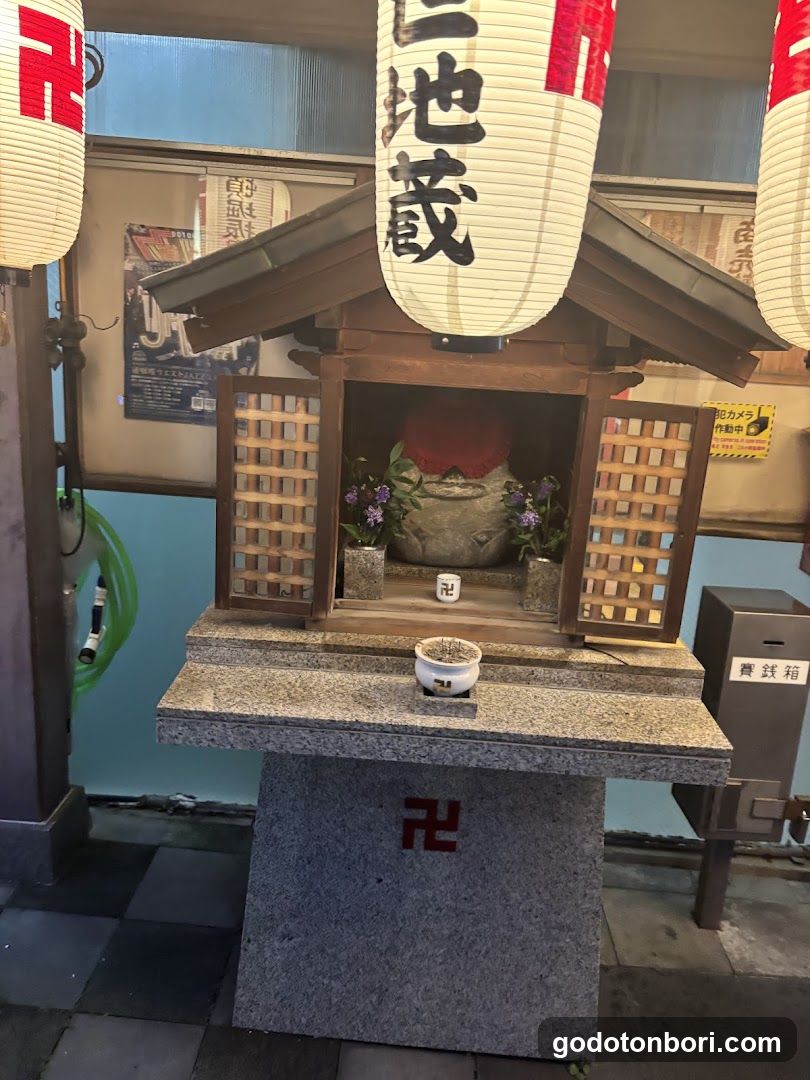
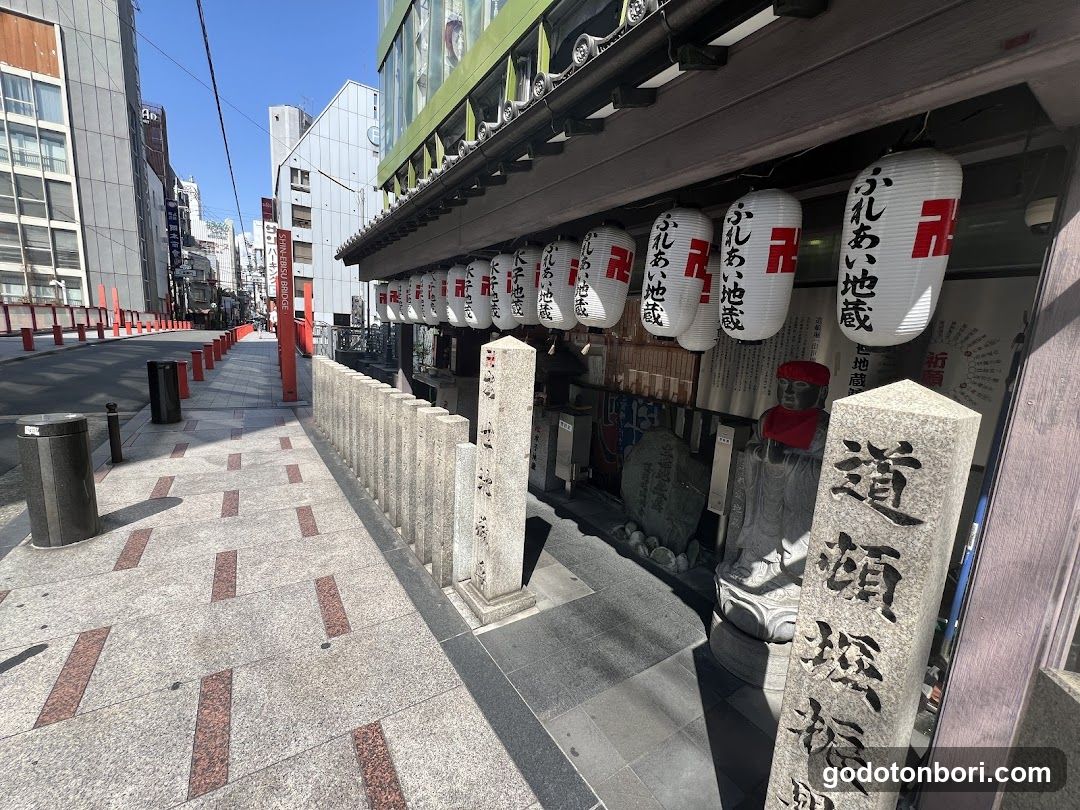
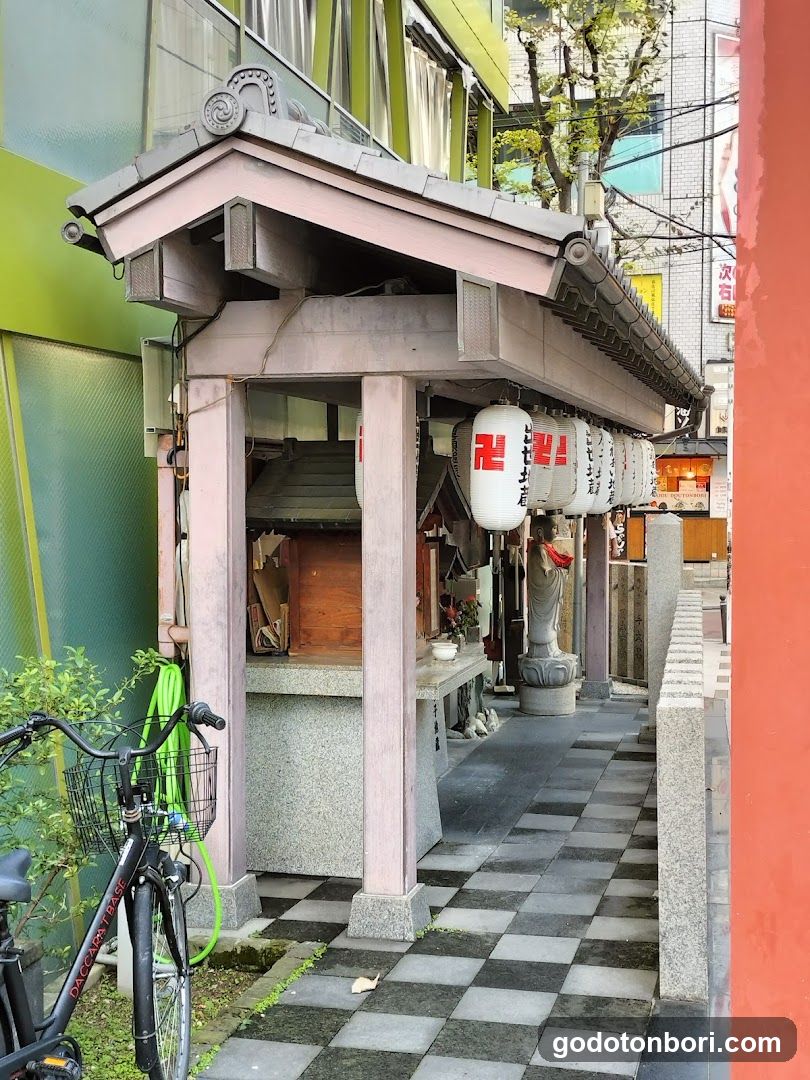
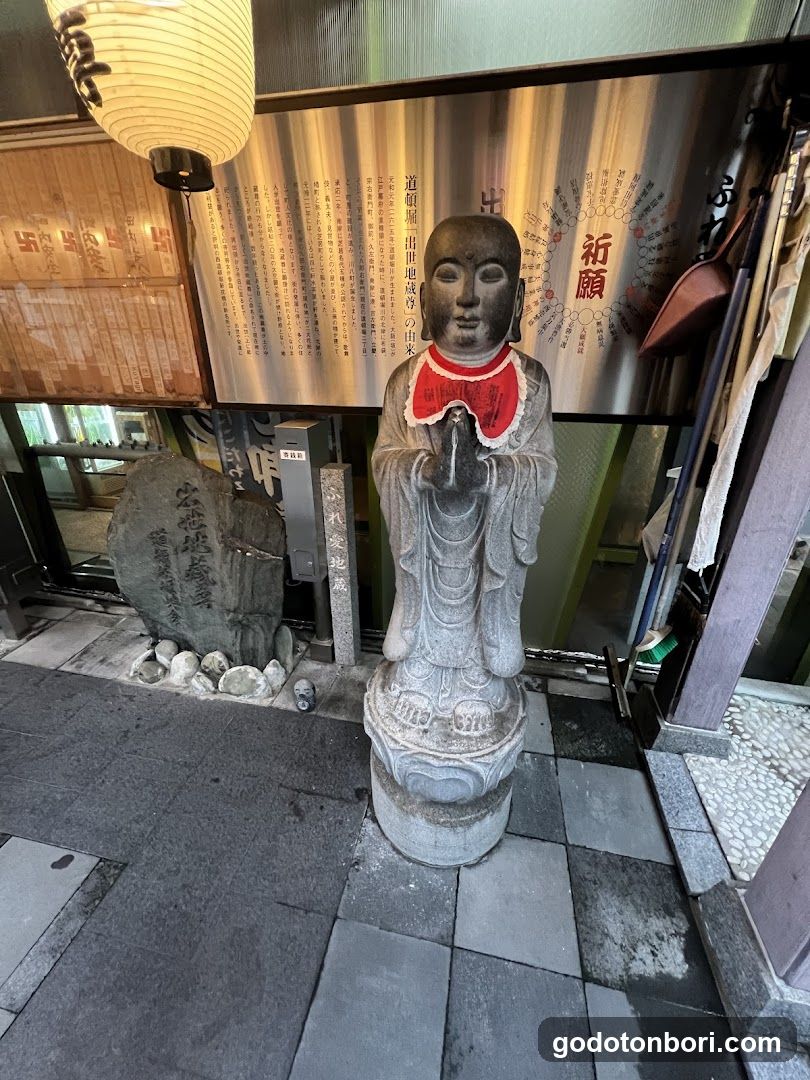
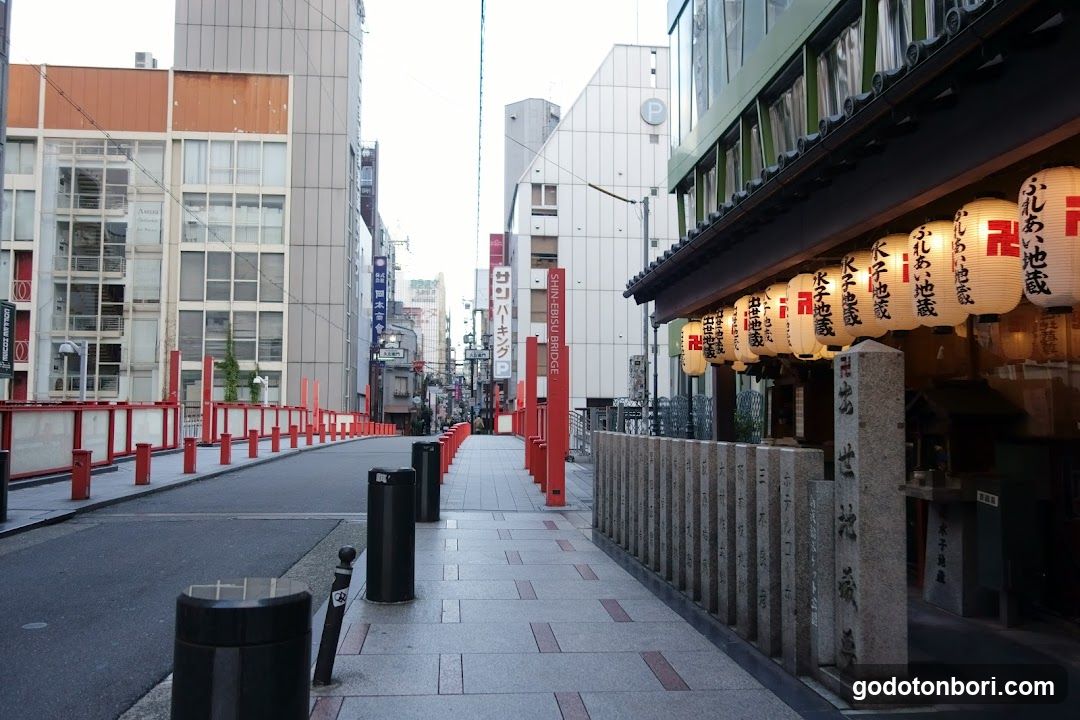
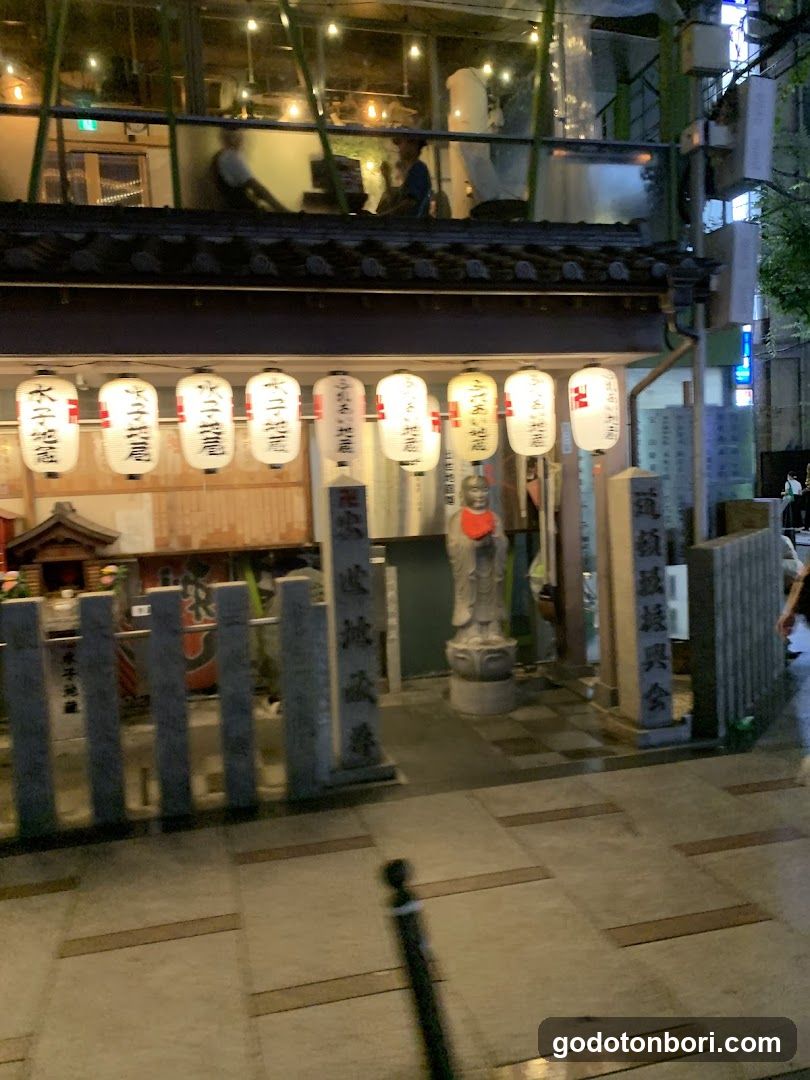
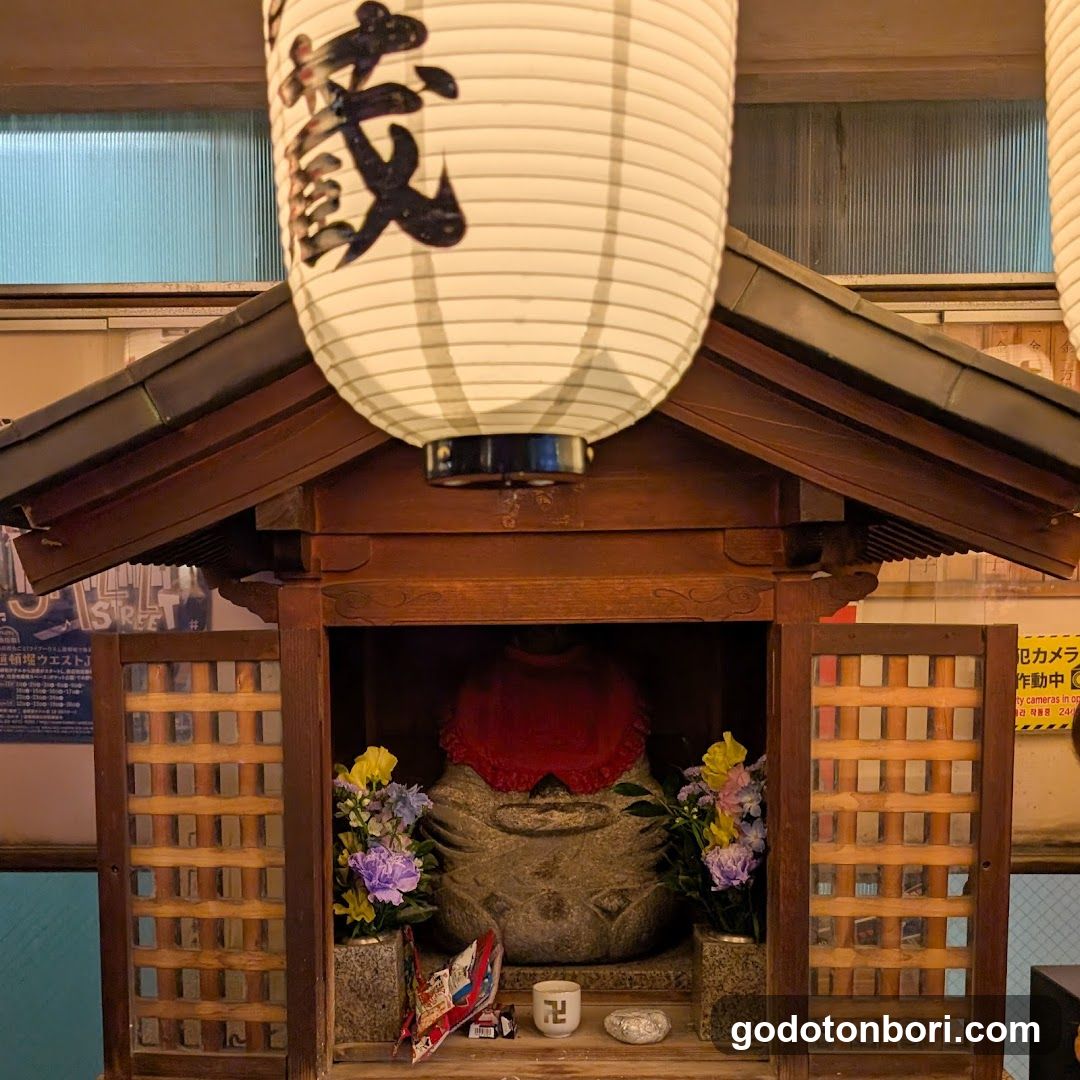
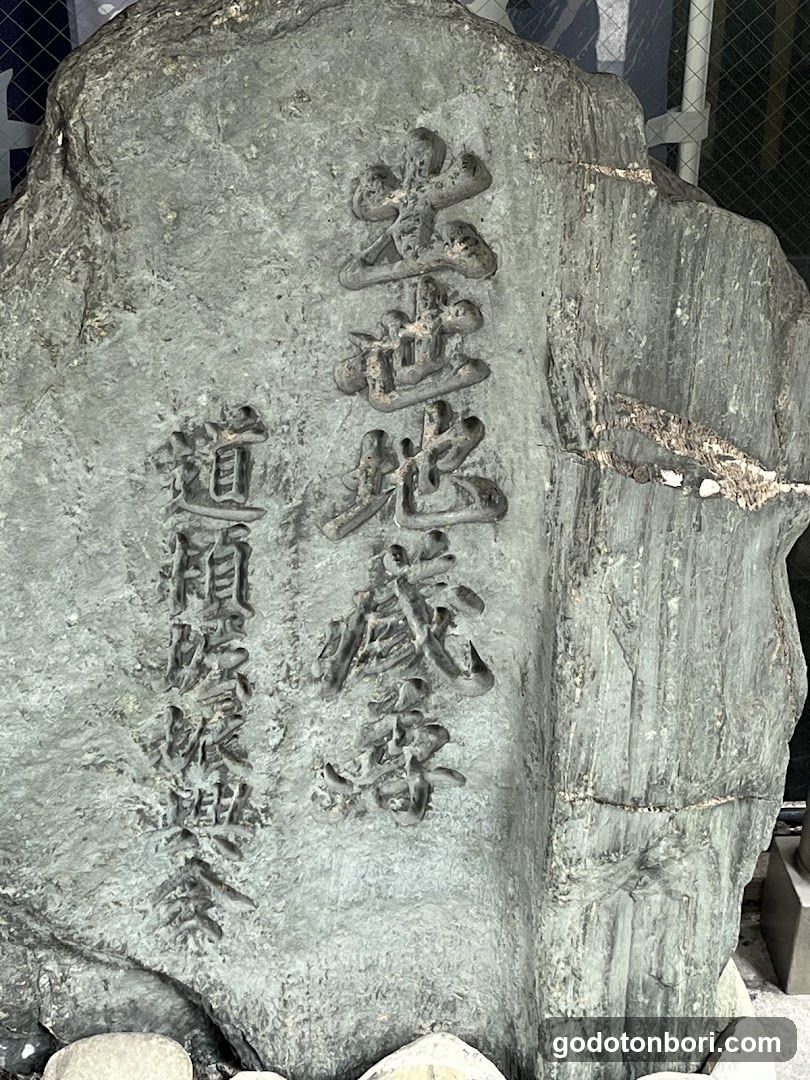
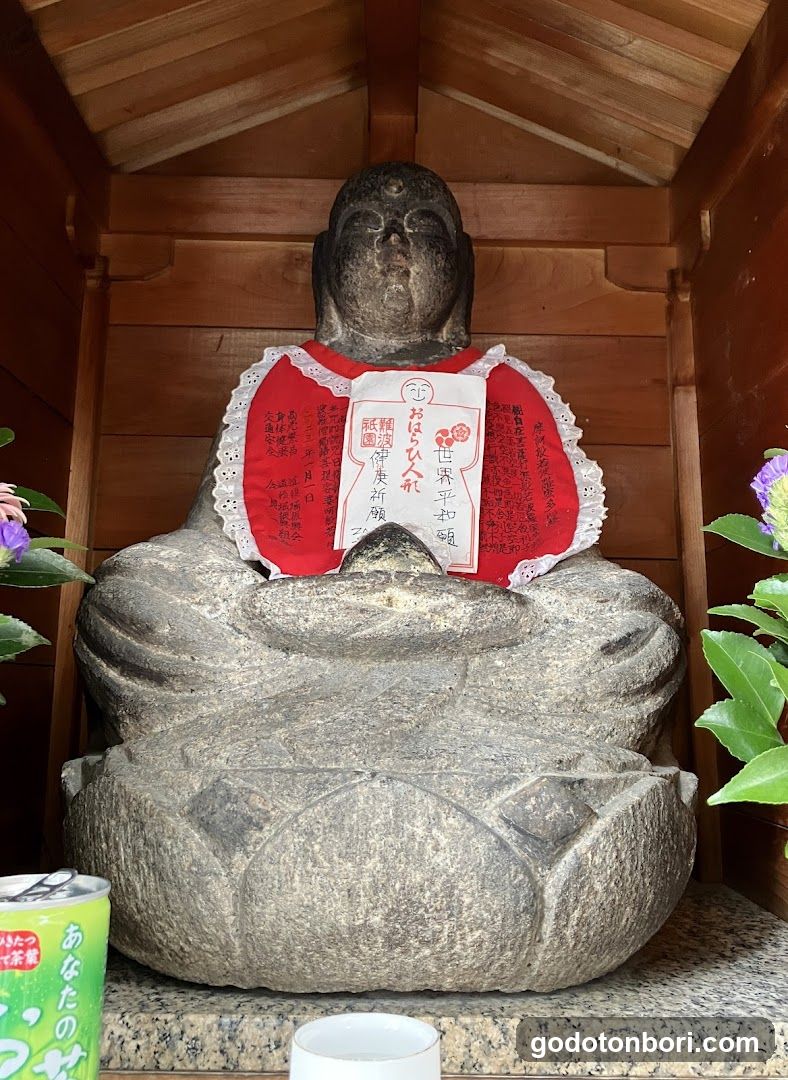
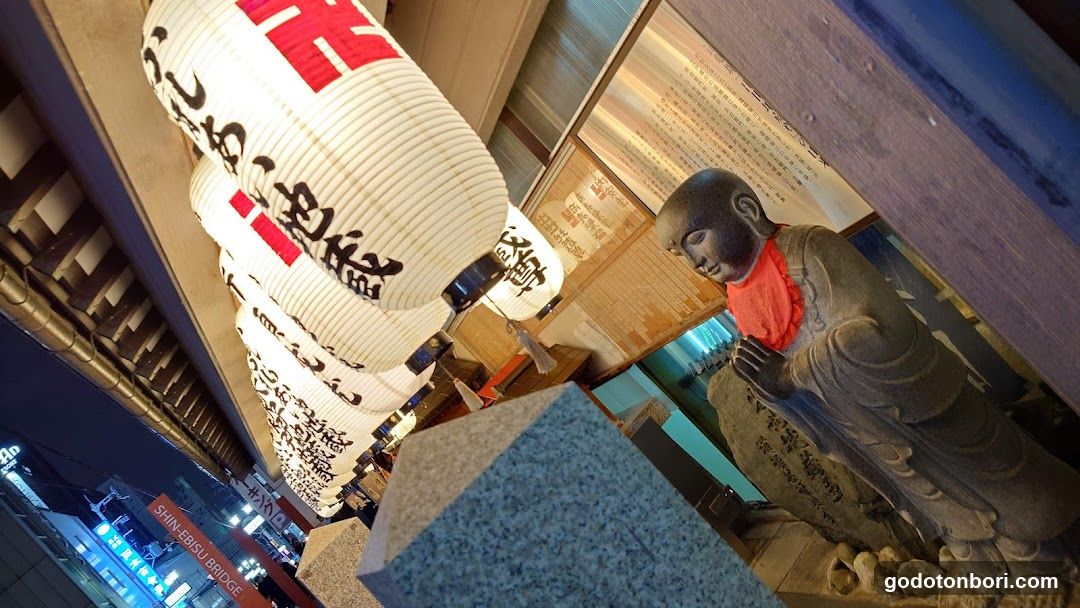
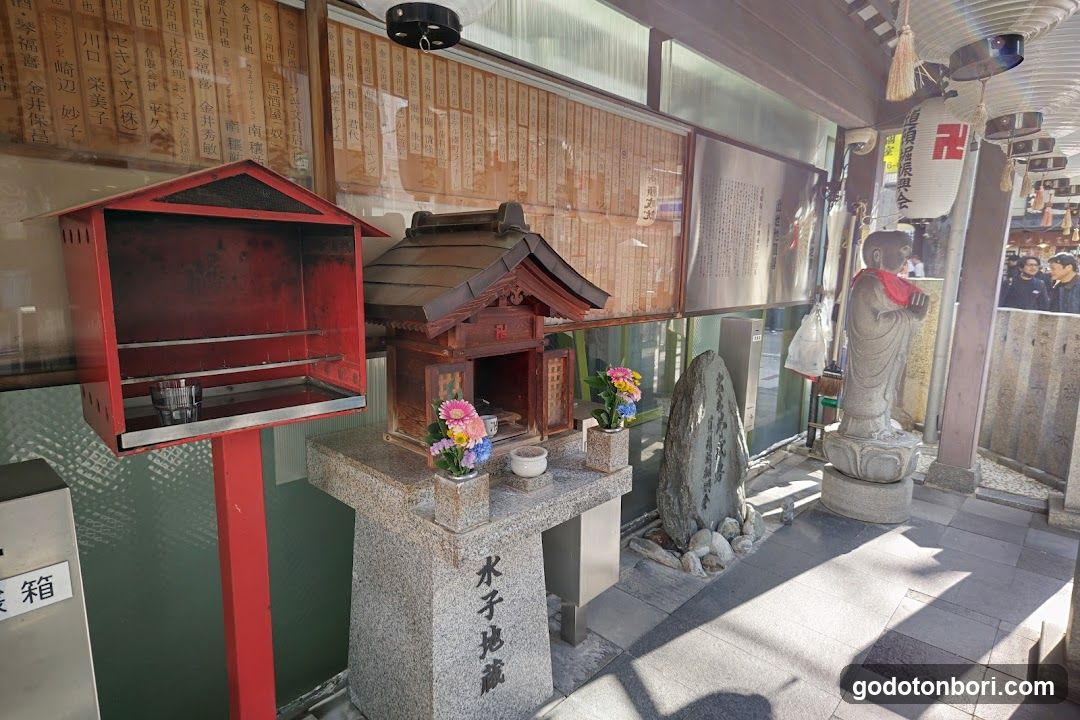
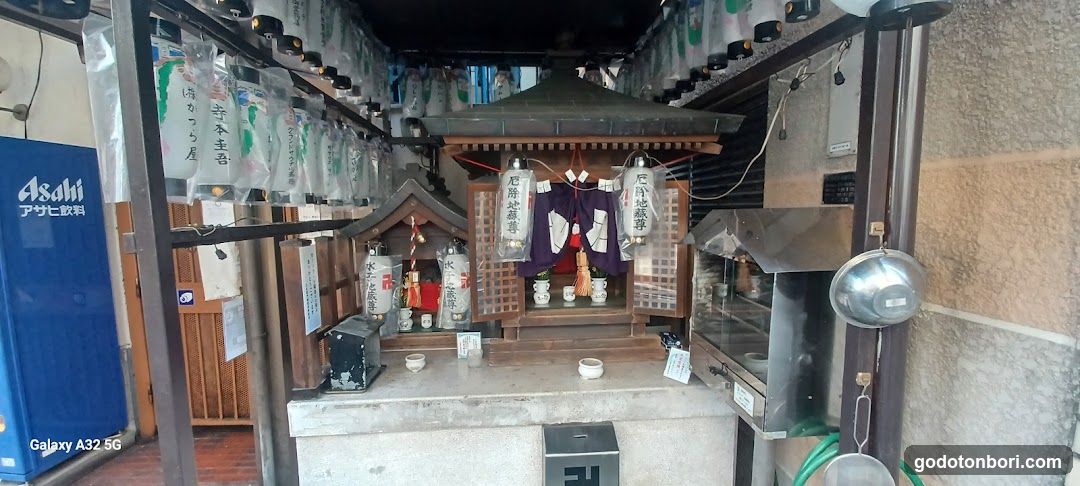
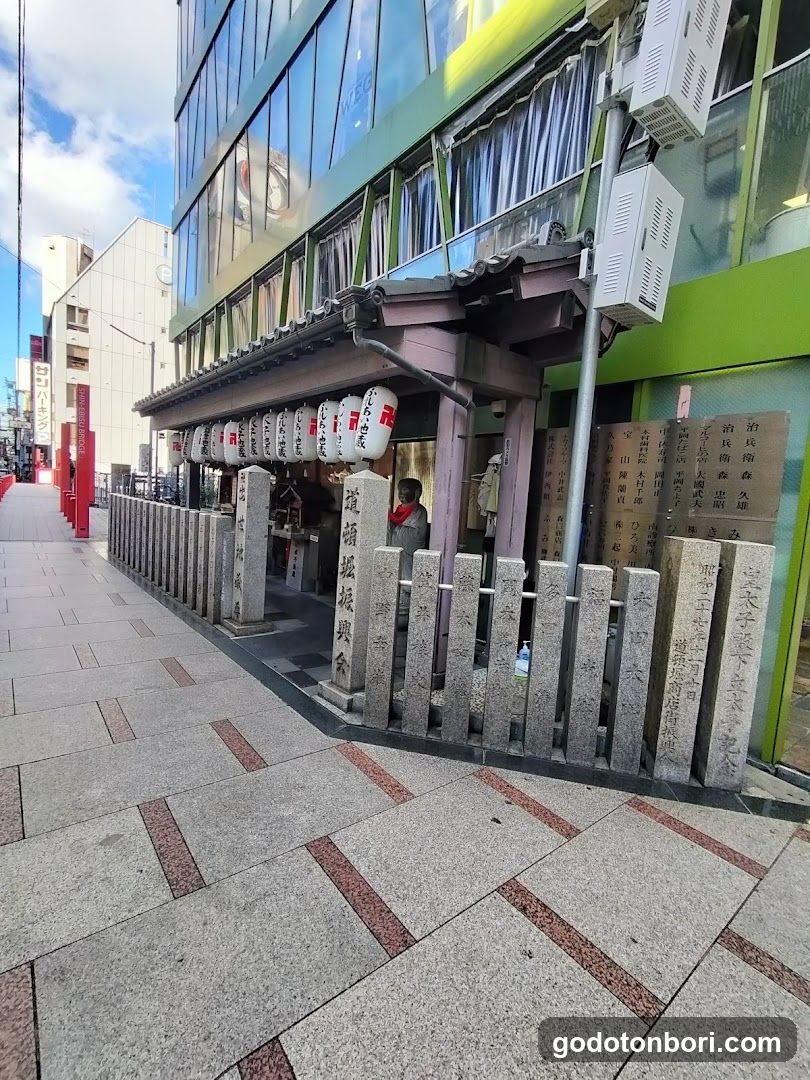
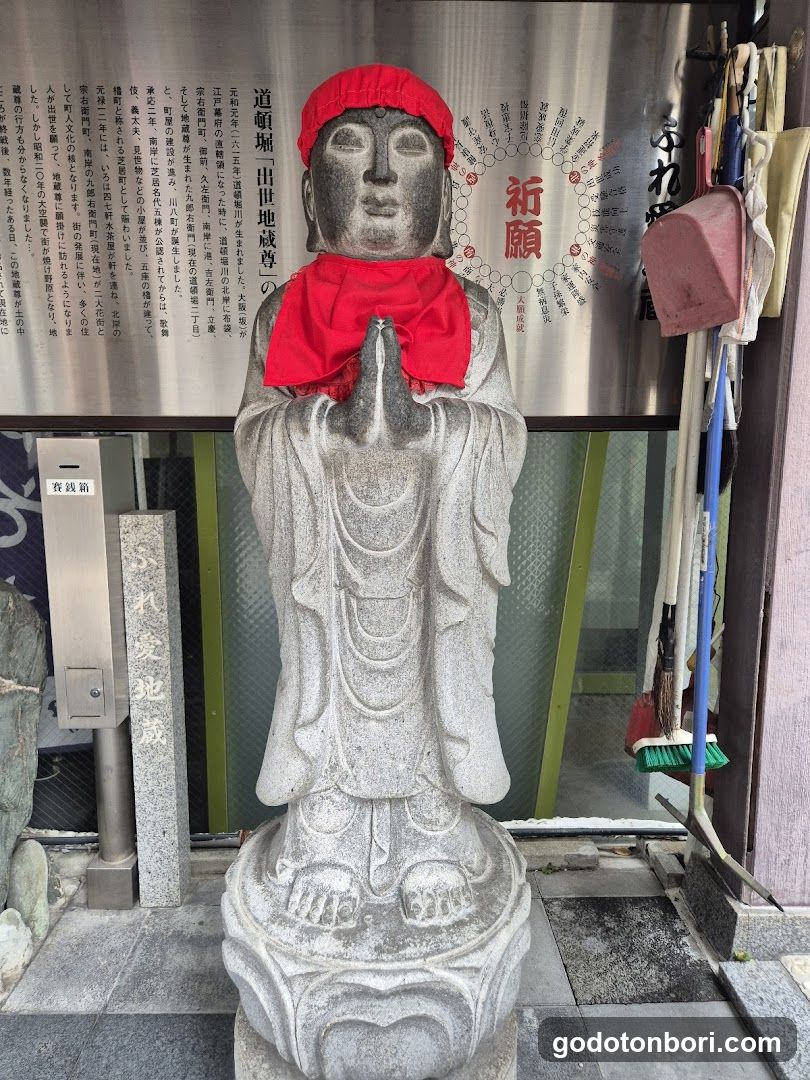
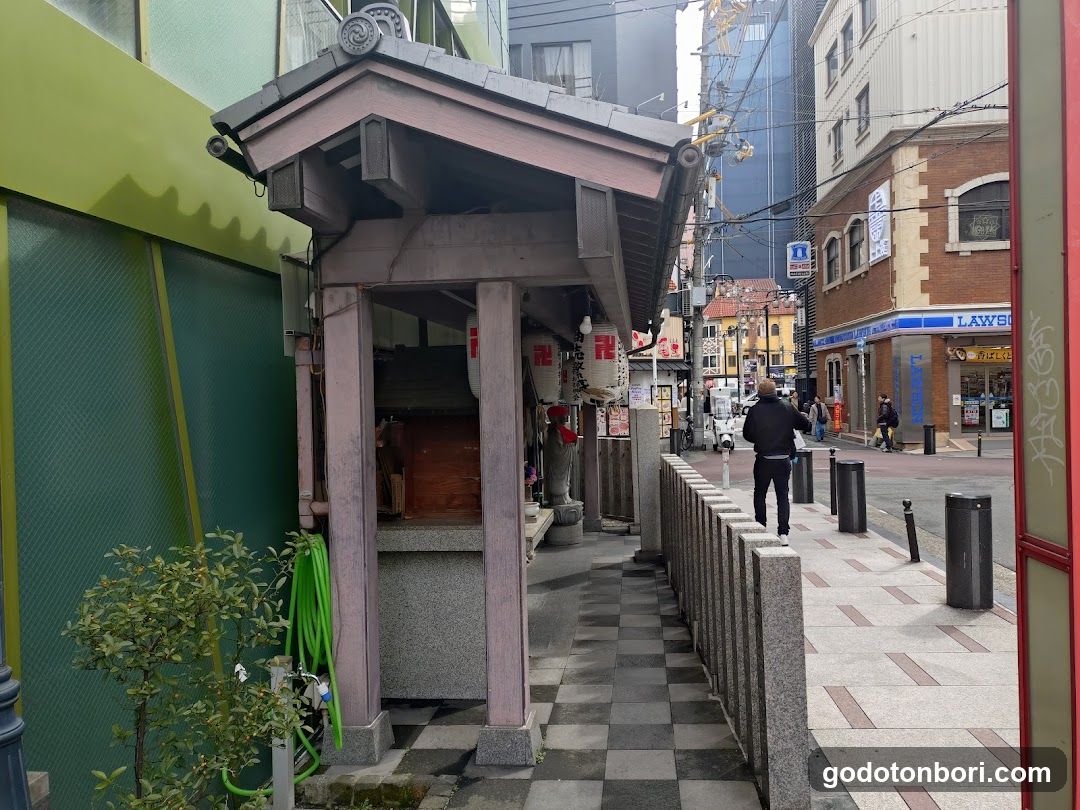
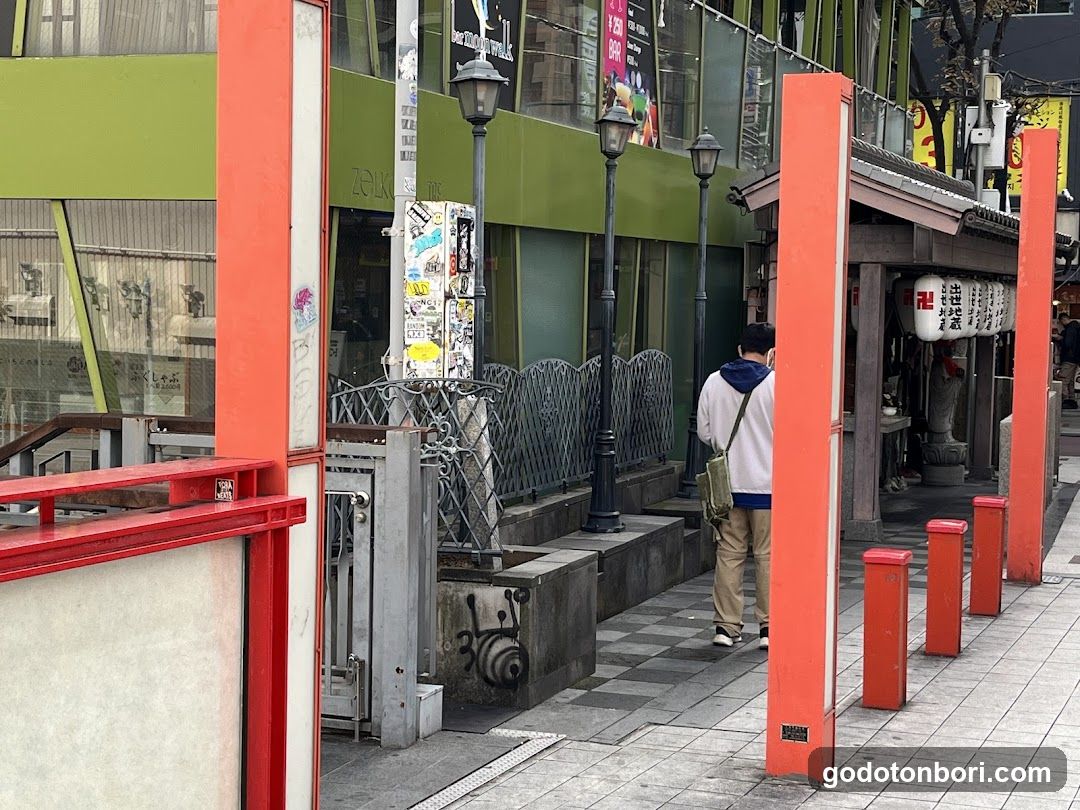
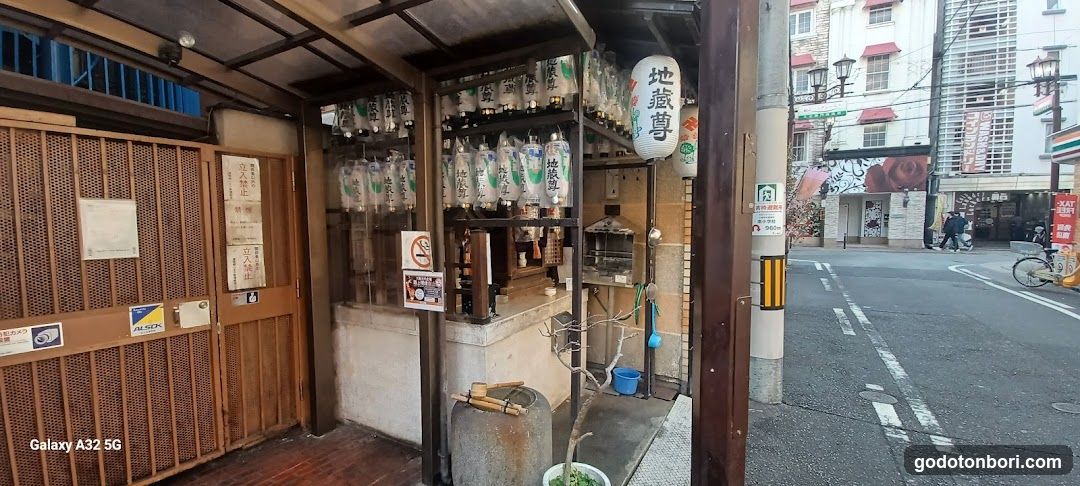
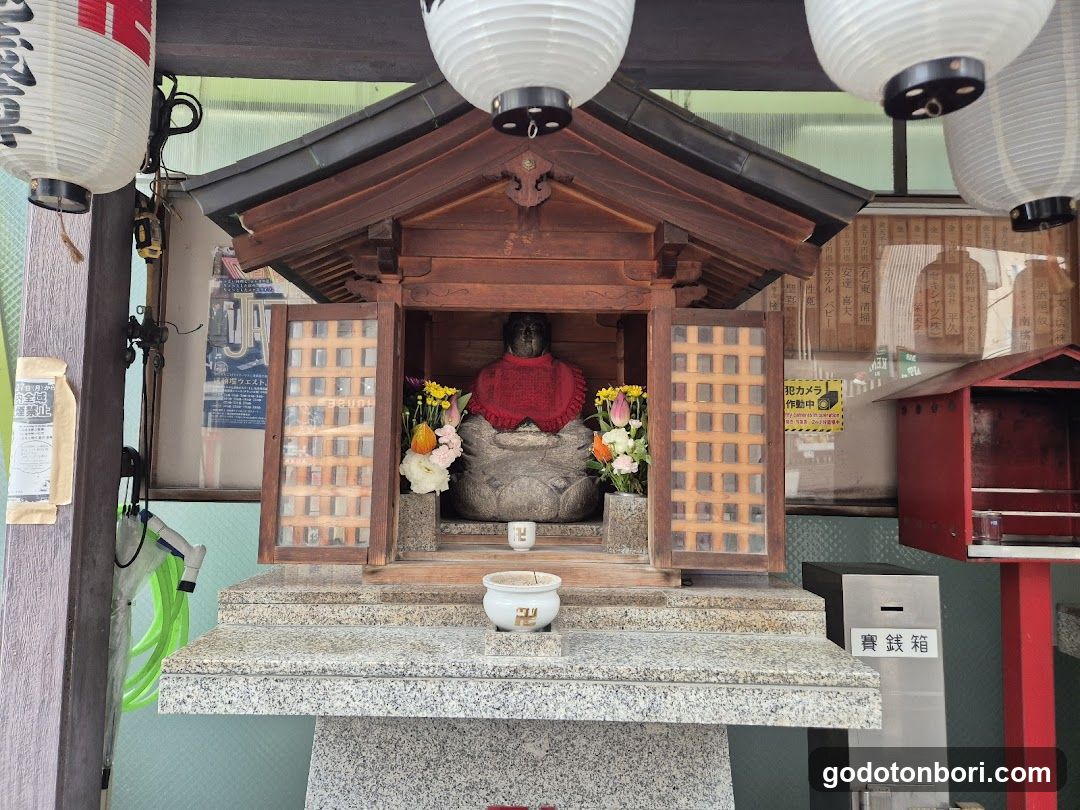
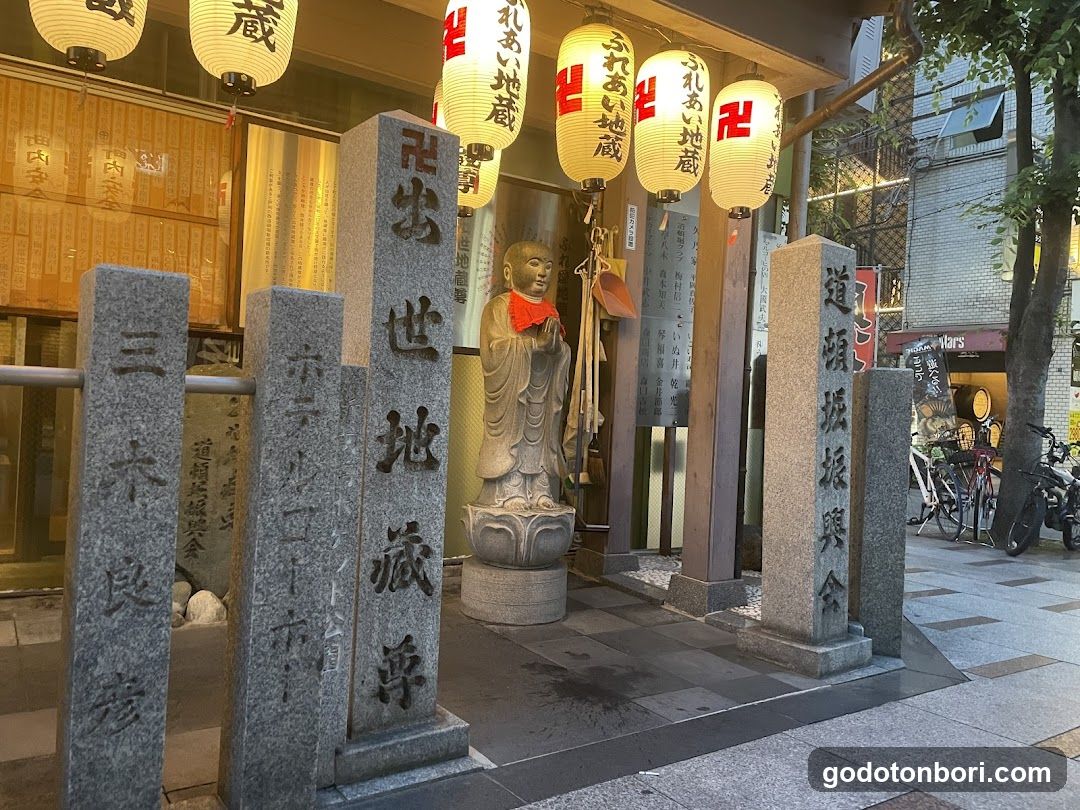
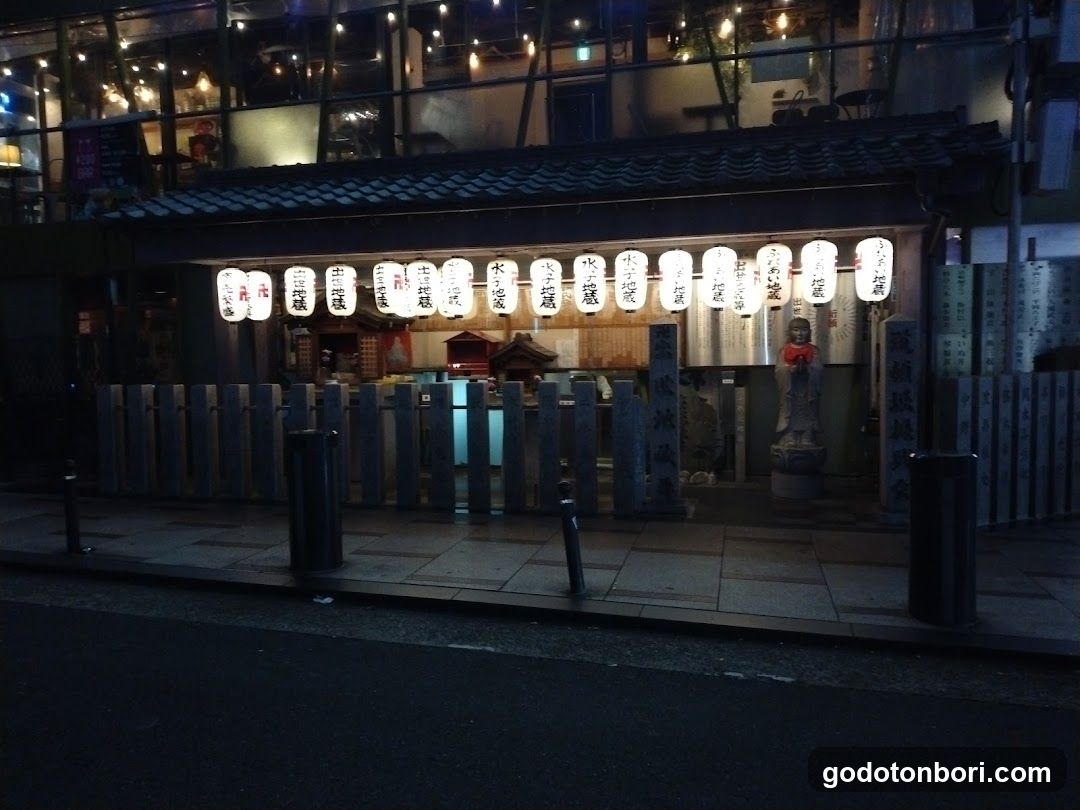
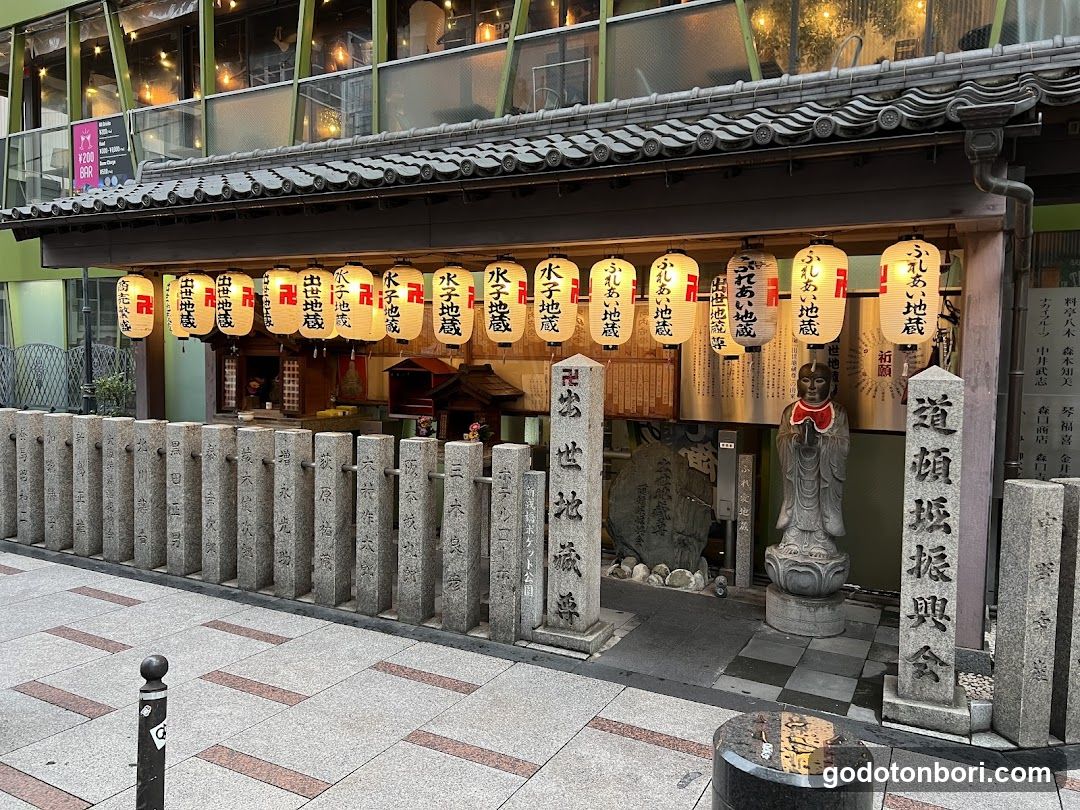
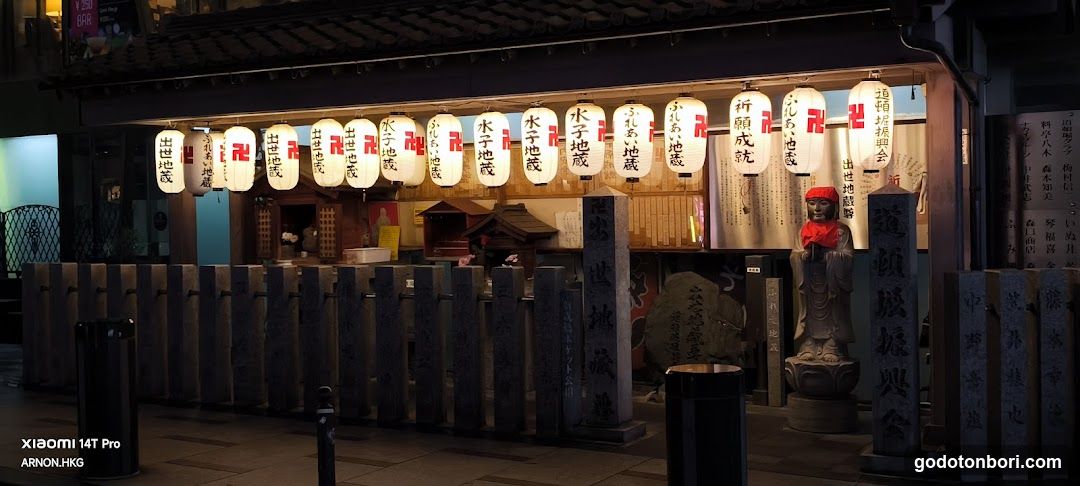
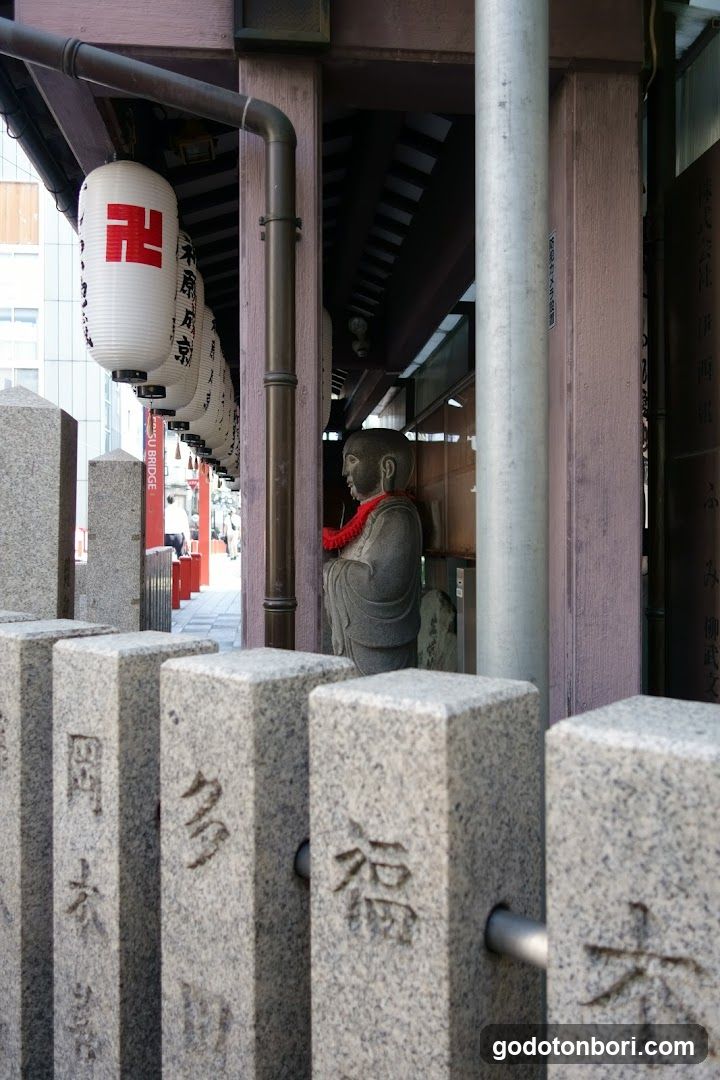
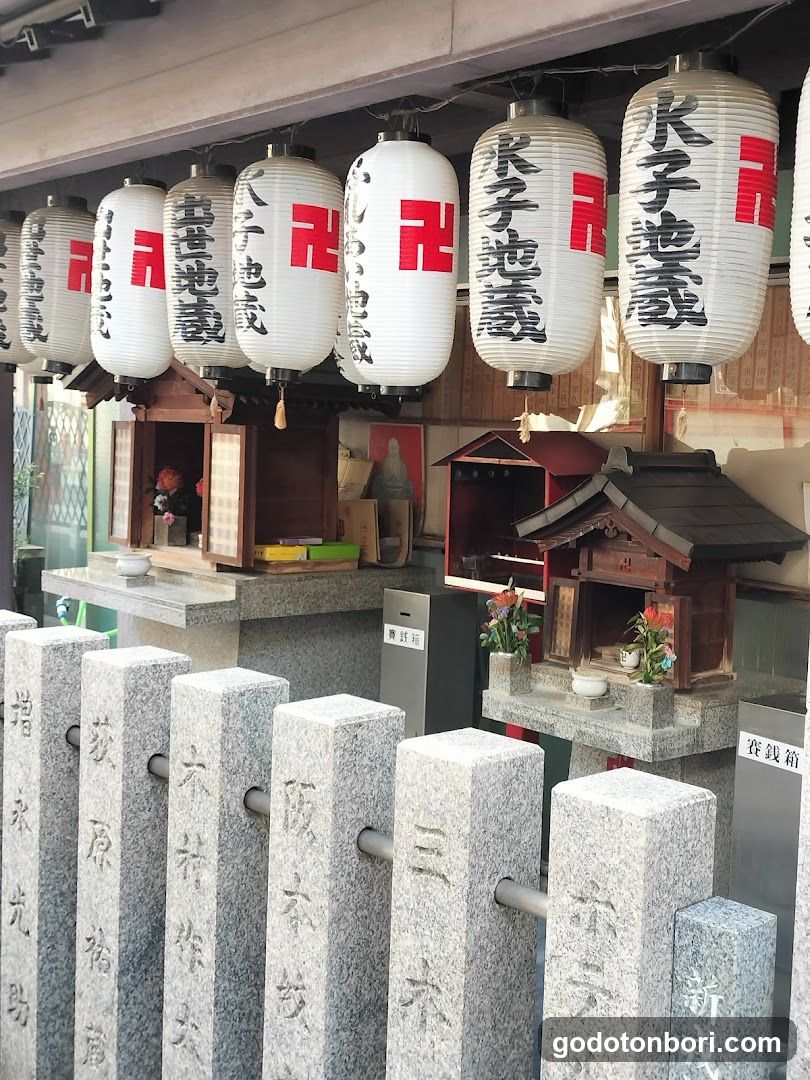
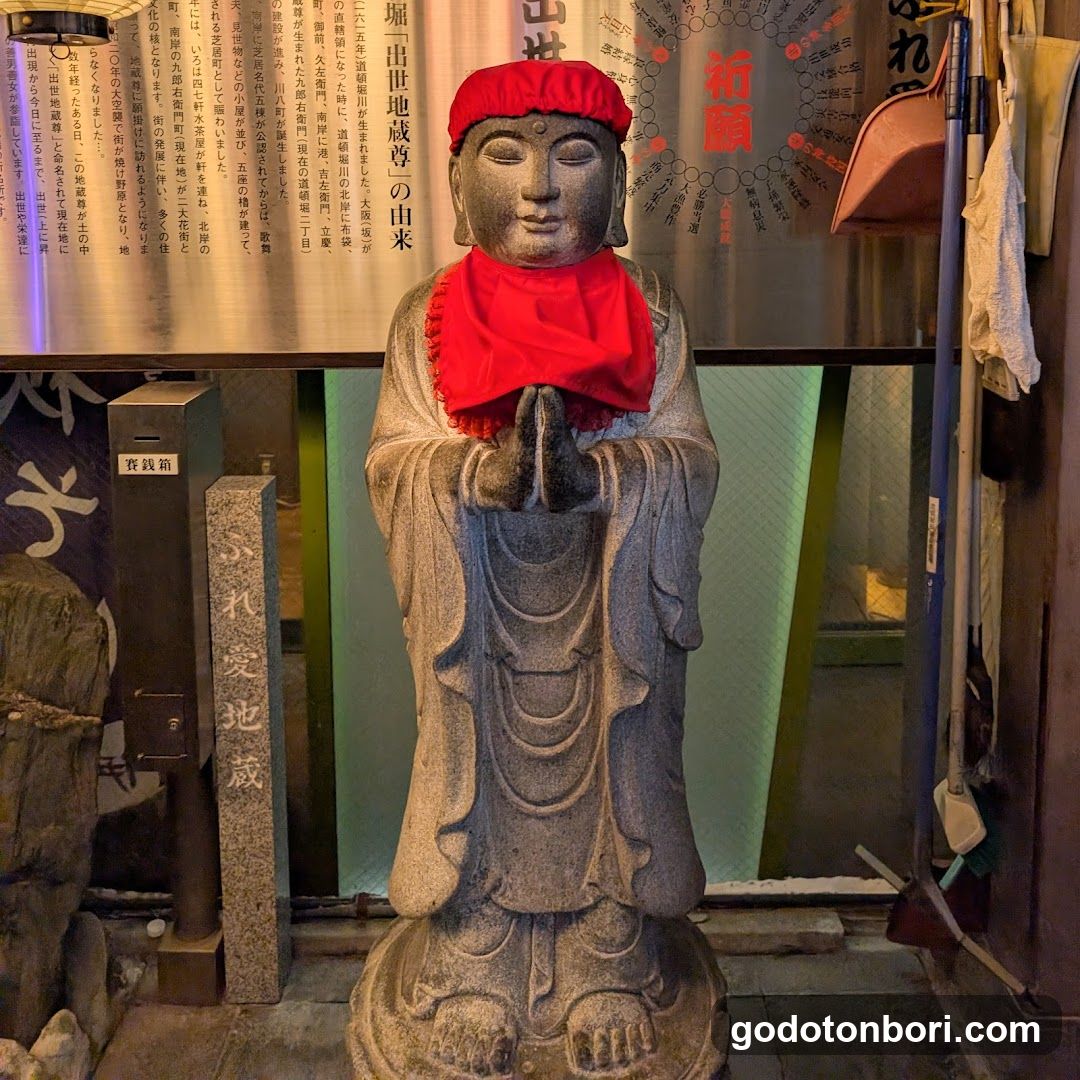
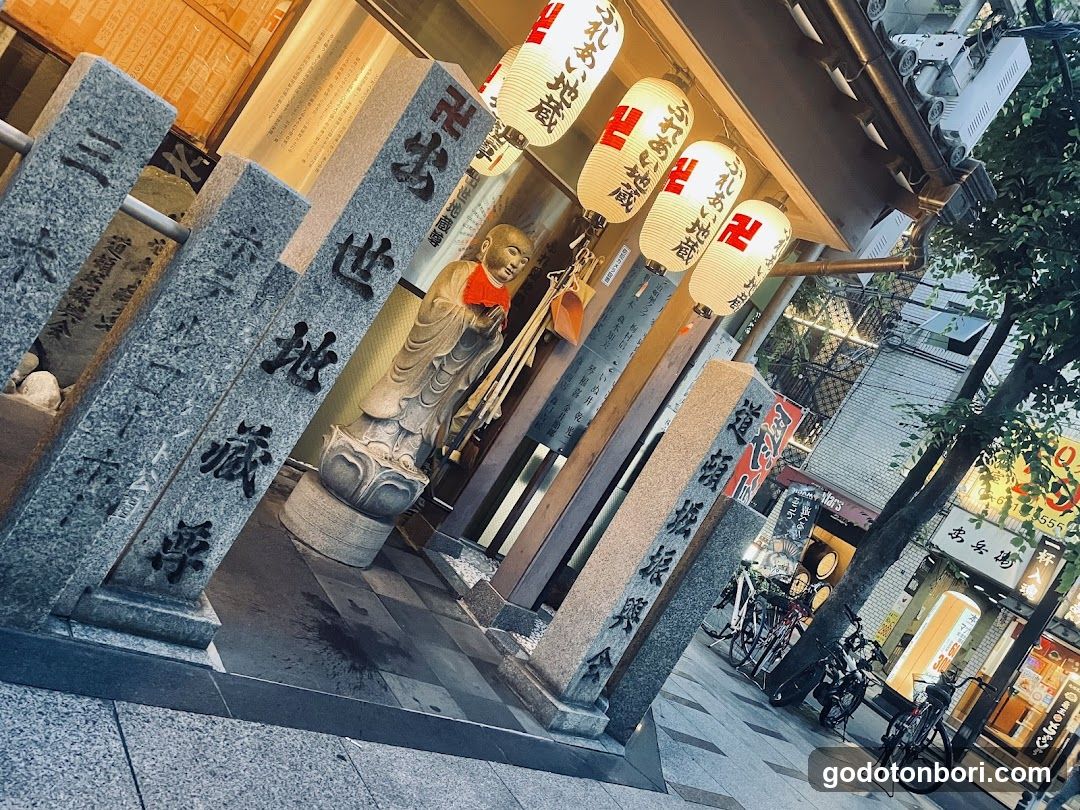
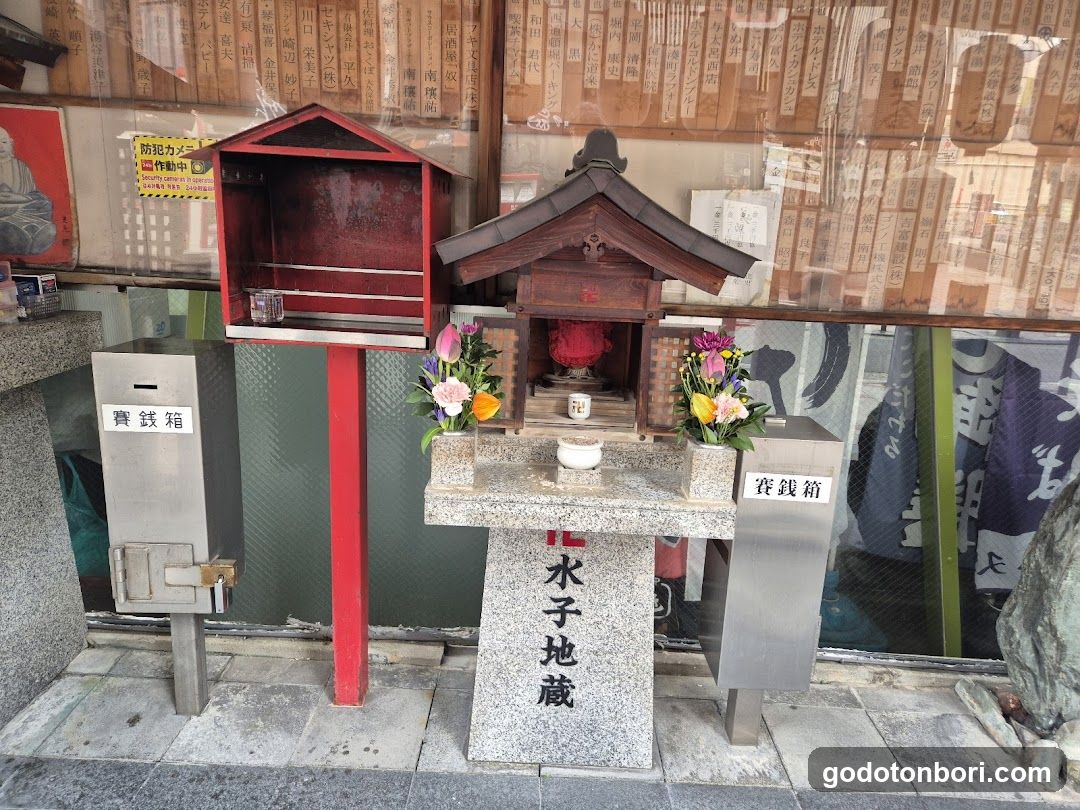
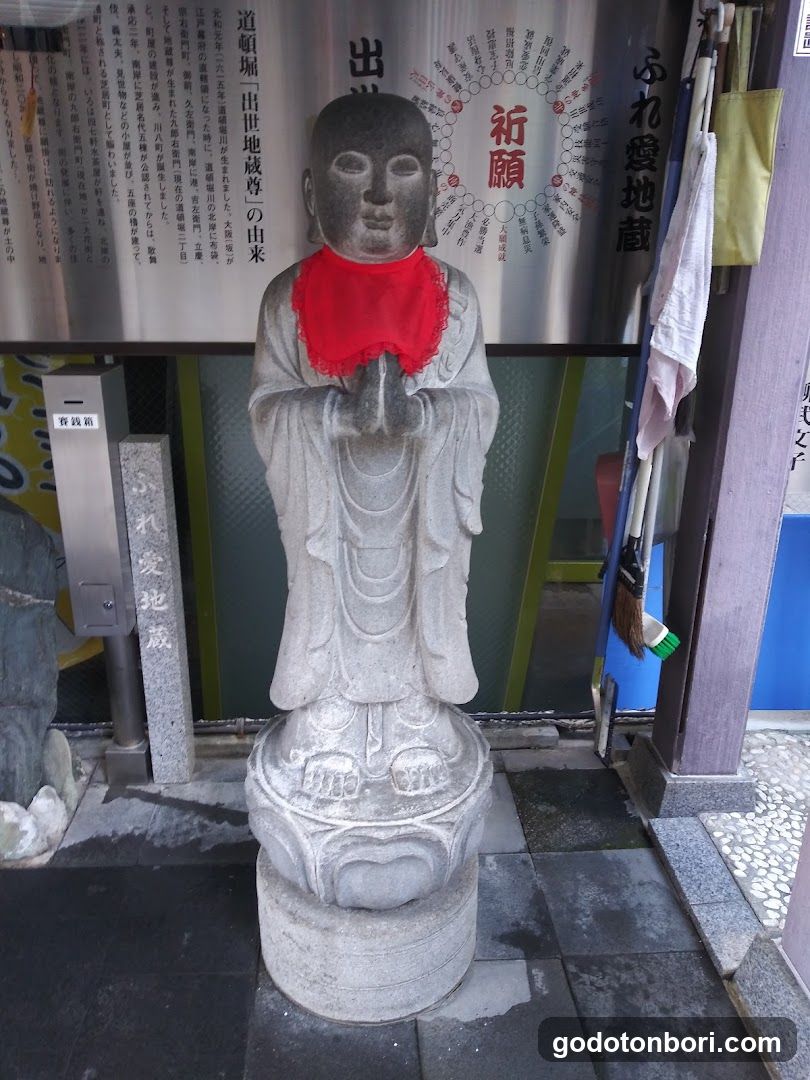
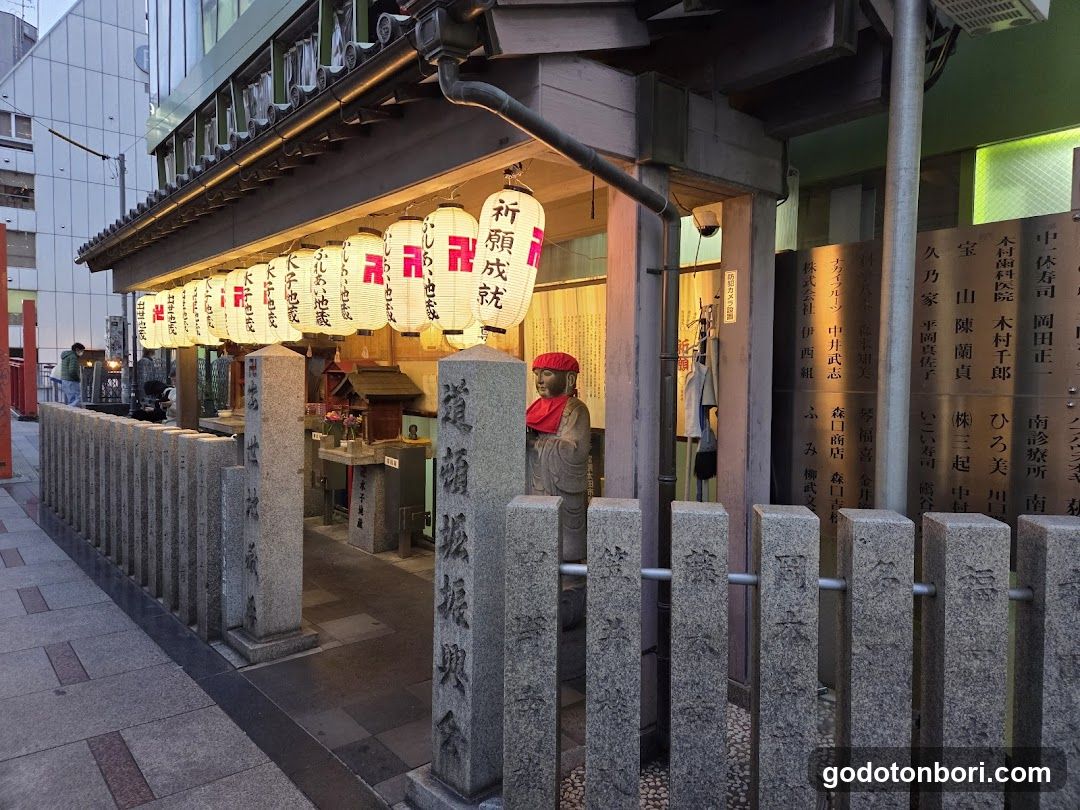
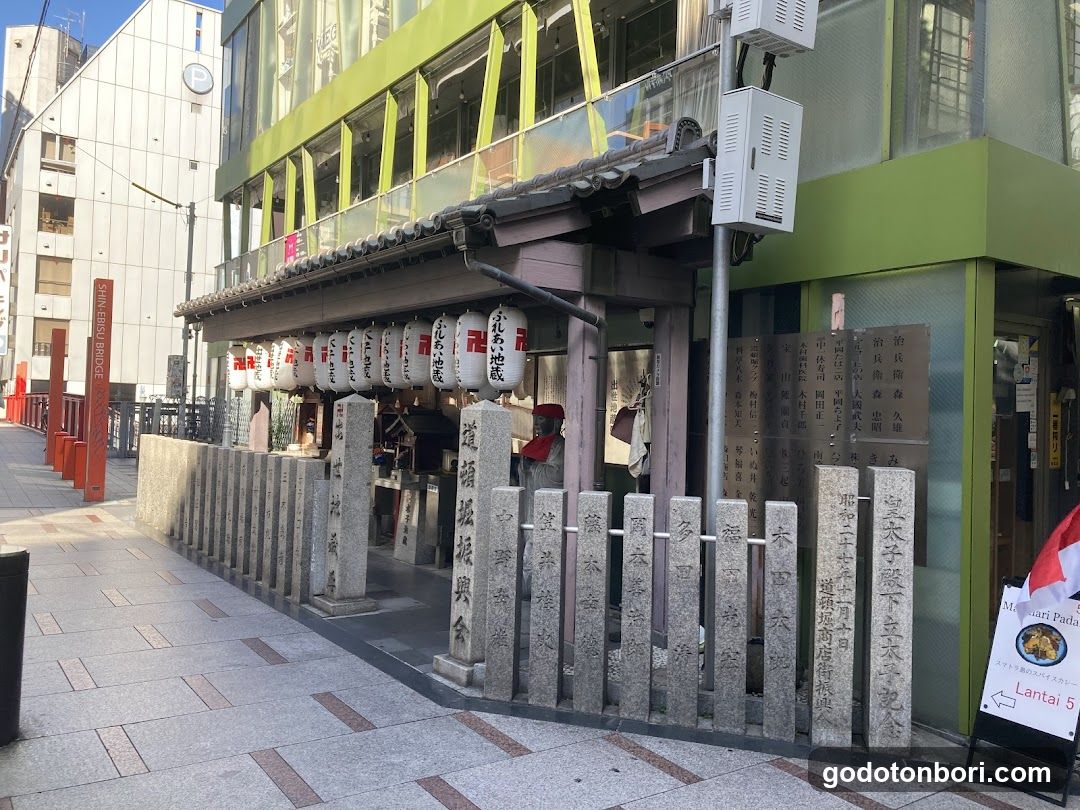
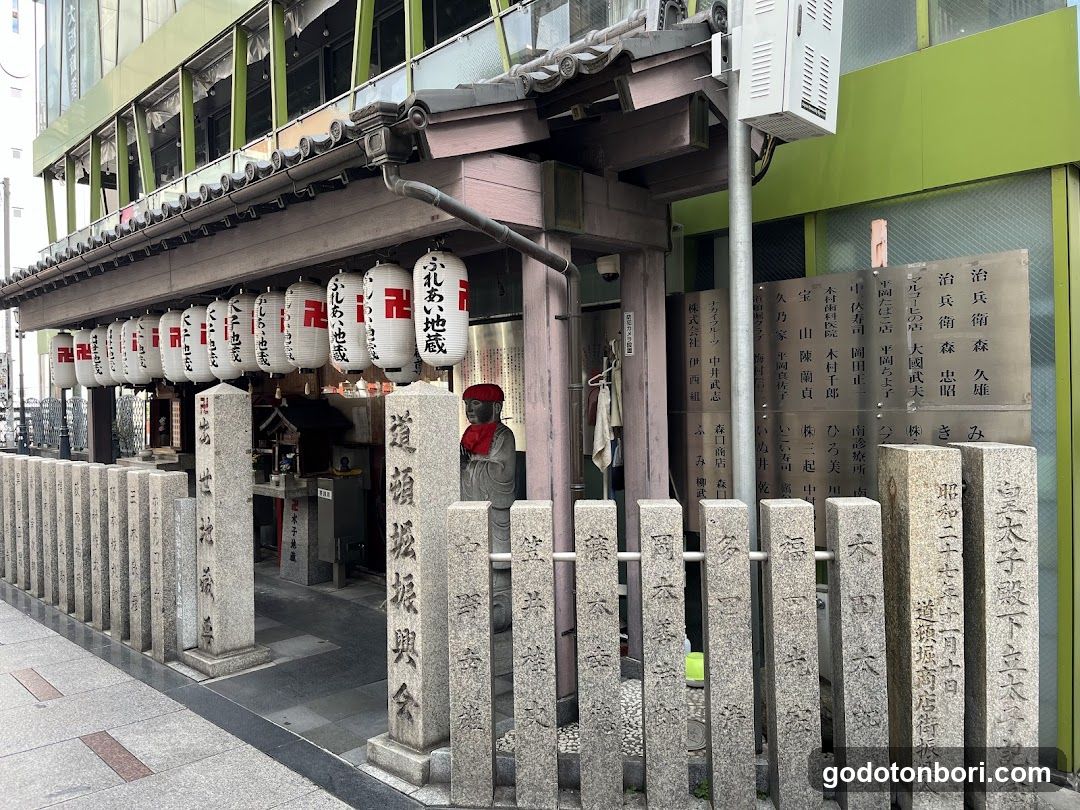
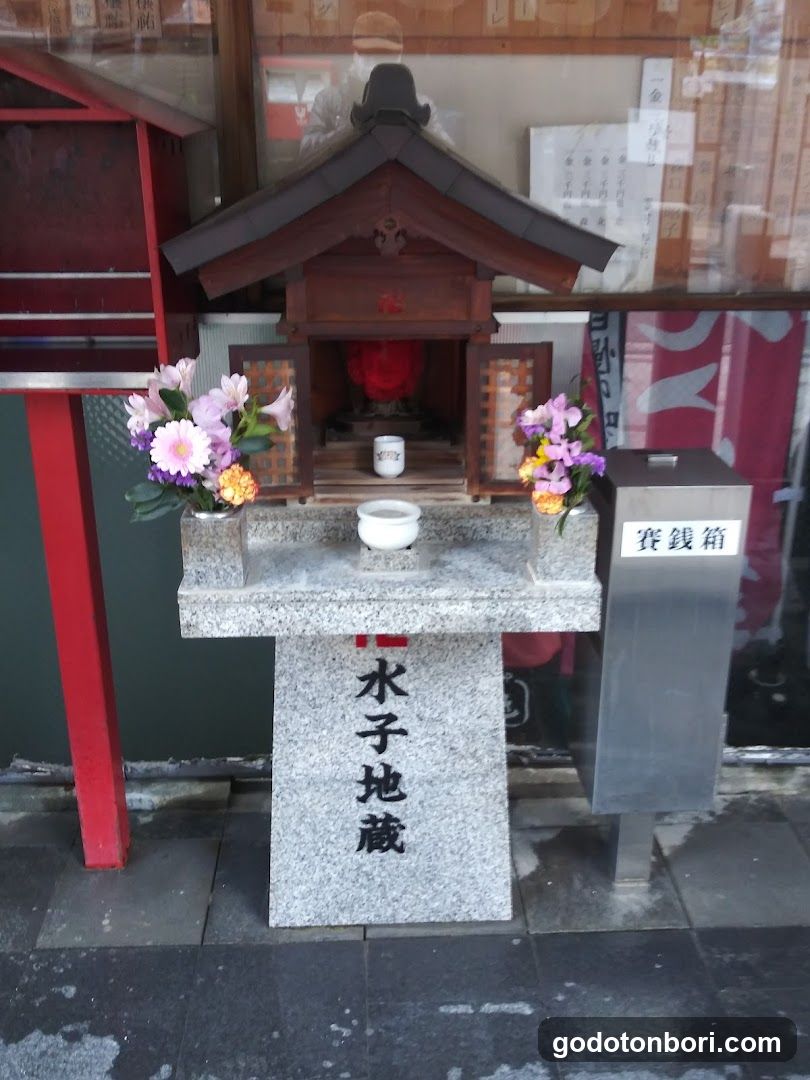
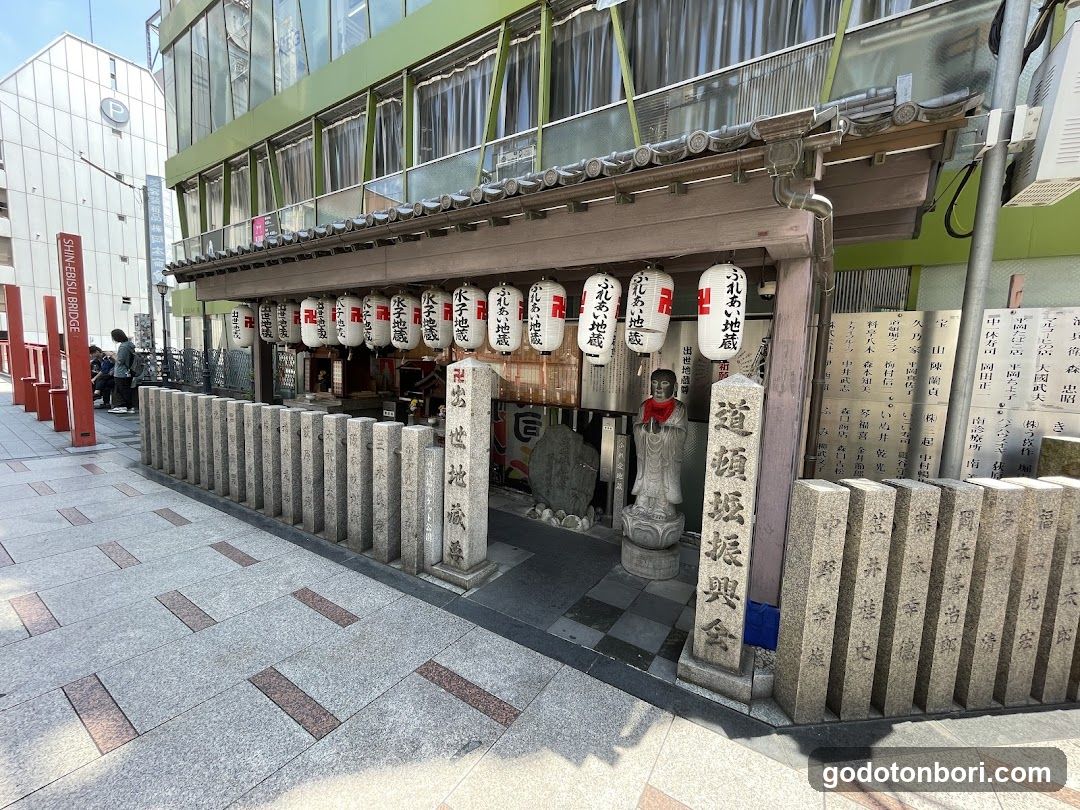
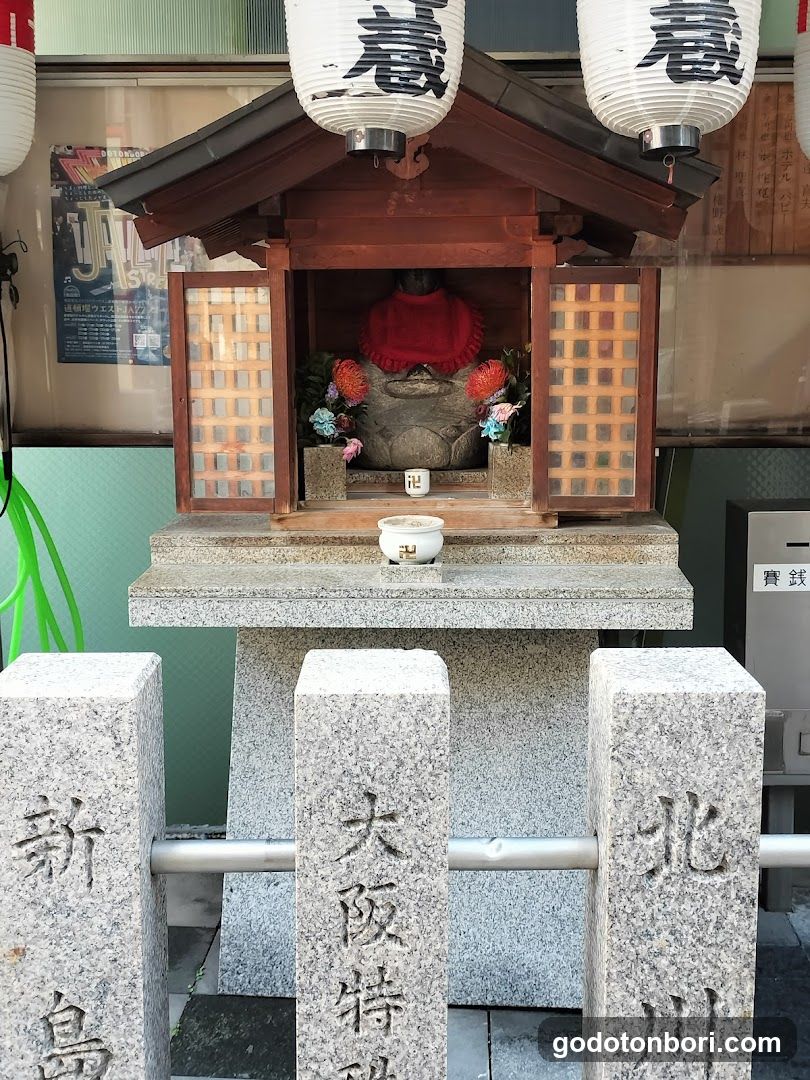
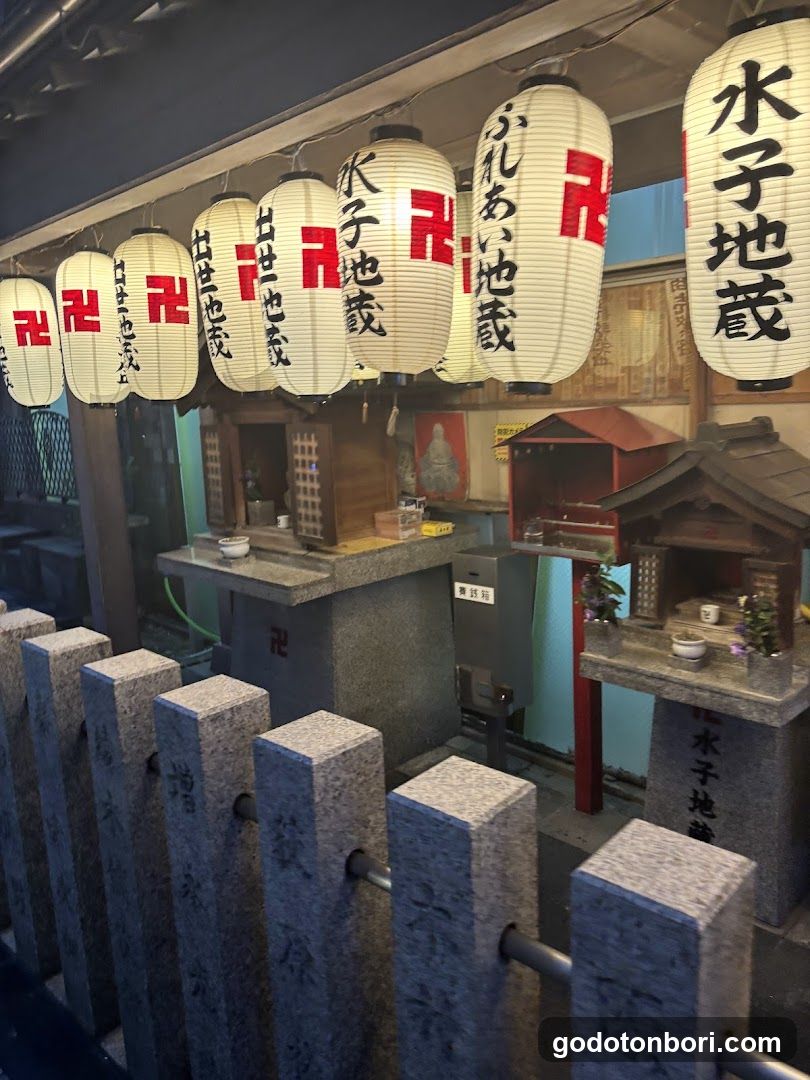
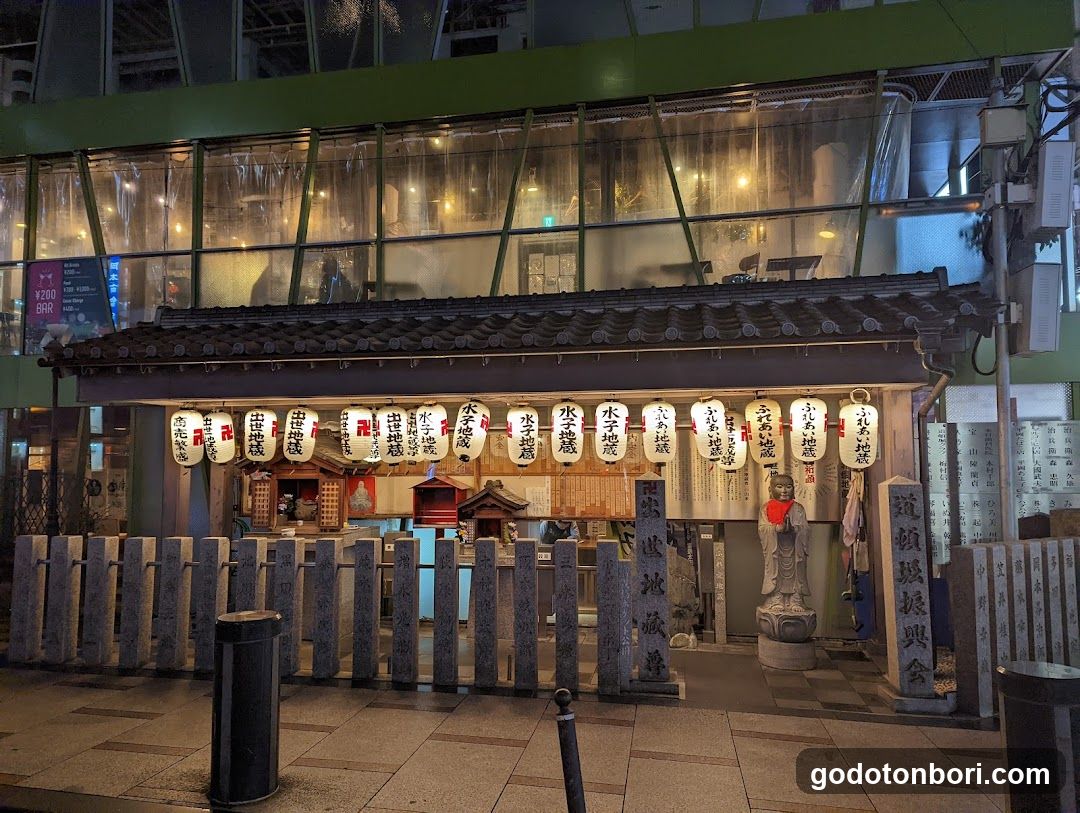
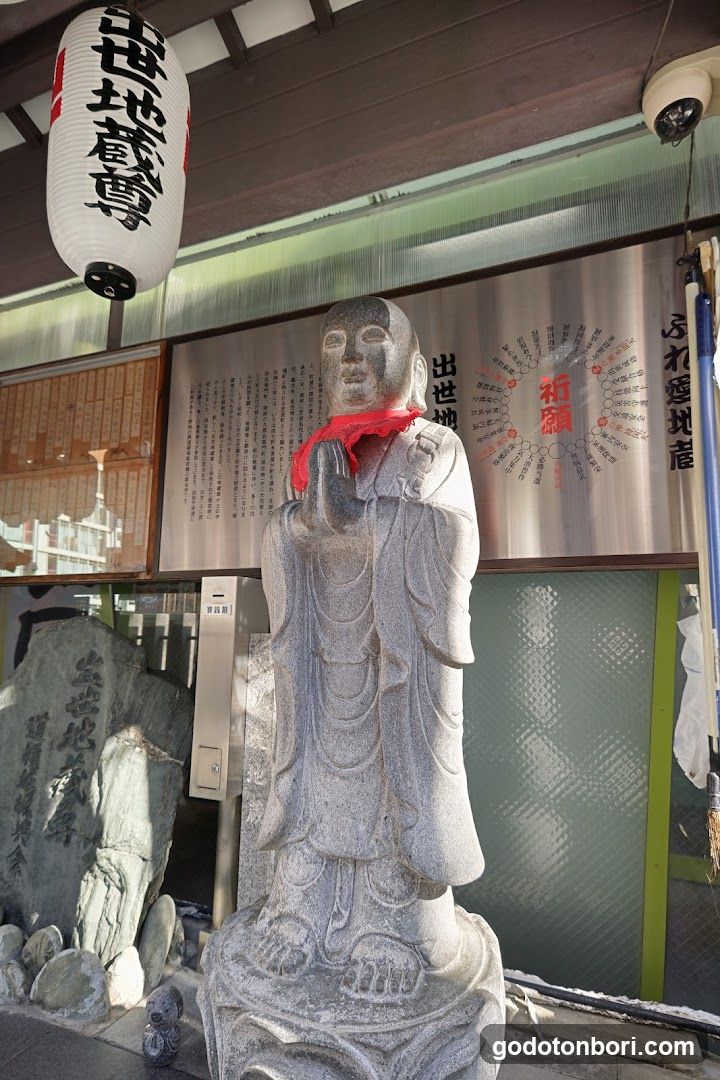
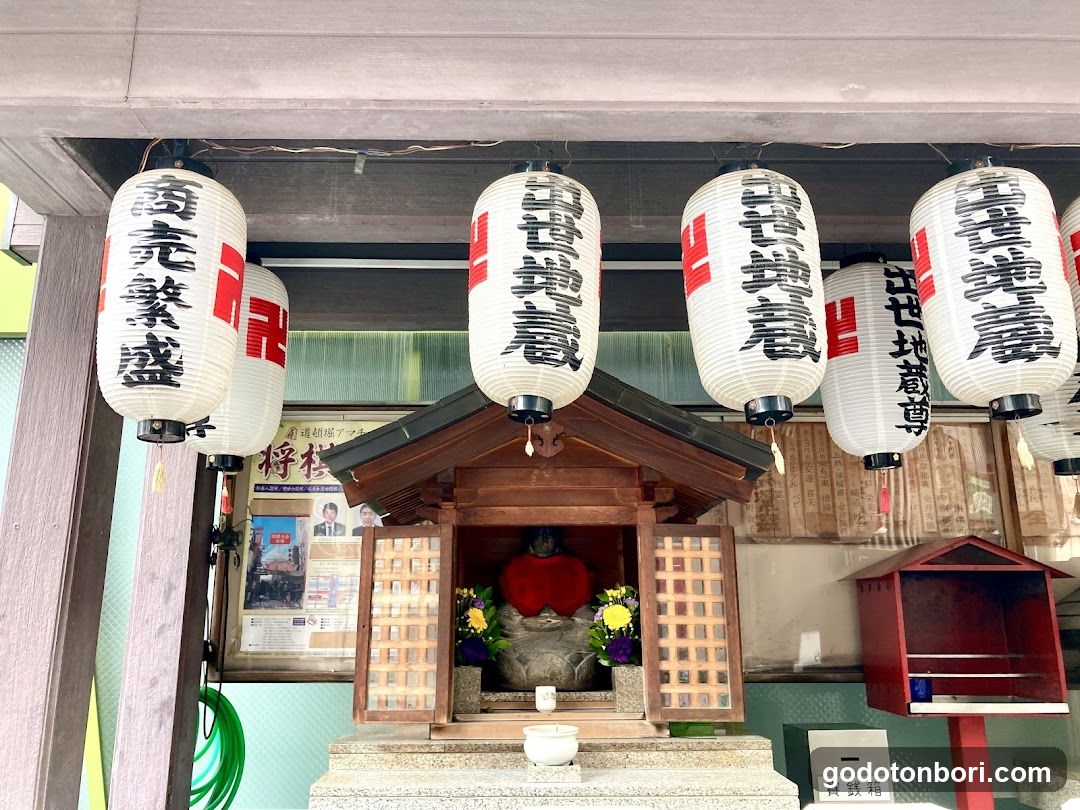
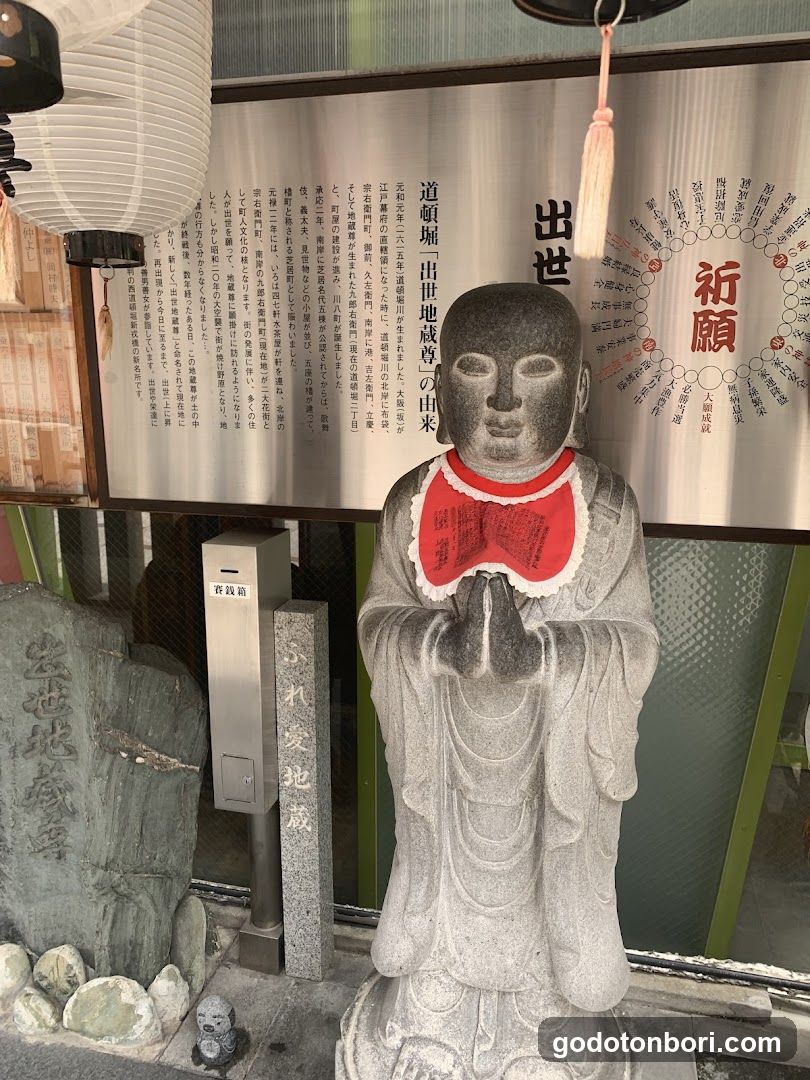
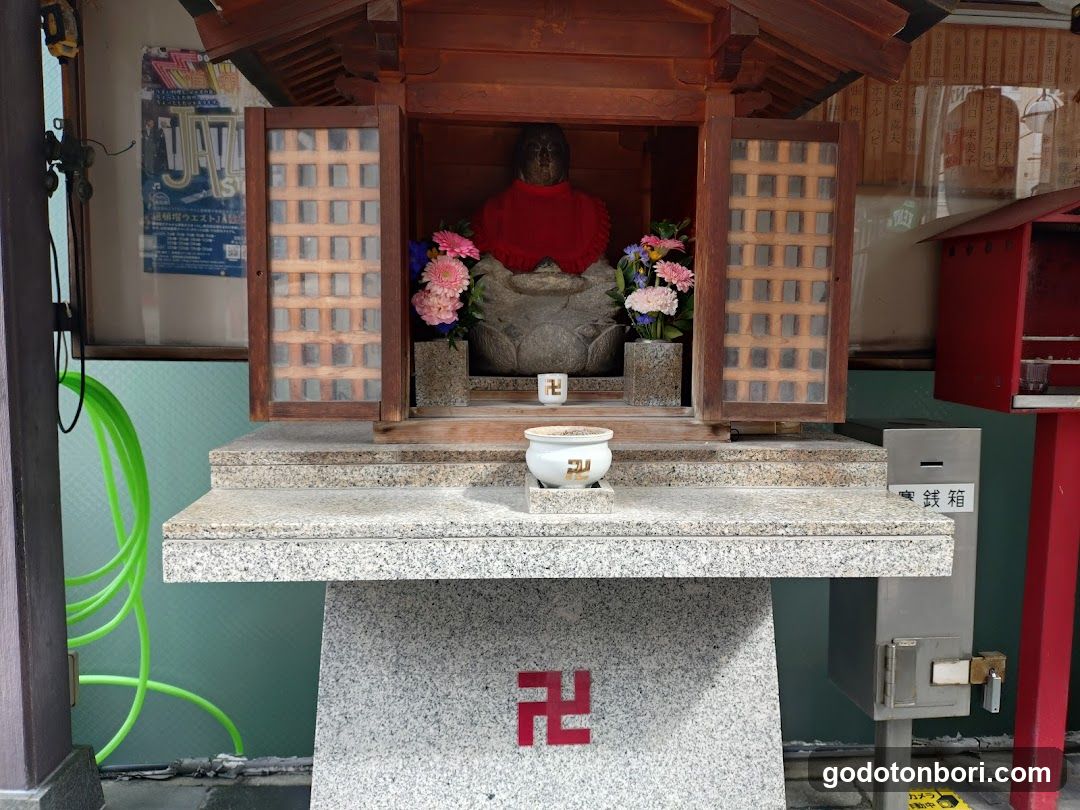
Dotonbori Shussejizoson is a historic stone Jizo statue nestled in the bustling Dotonbori entertainment district, located in the area historically known as Kurouemon-cho (now Dotonbori 2-chome). The statue has been venerated since the Edo period, when geisha, actors and merchants of the area's flourishing theatre and pleasure quarters would pray to it for career advancement and success. After being lost during the air raids of the Pacific War, the statue was miraculously discovered in the ashes years later, having emerged from beneath the ground. This "rising from the earth" gave it the name "Shusse" meaning "success" or "promotion," and it has been revered ever since as a guardian of prosperity. Today, the small shrine houses three Jizo figures: the main Shusse Jizo, a Mizuko Jizo for memorialising unborn children, and a Fureai Jizo believed to offer healing when touched on the afflicted part of one's body. Local business owners and visitors continue to visit the shrine to pray for commercial prosperity, career advancement and personal wellbeing. The site is unmanned and has no office, functioning as a quiet, freely accessible spot of spiritual respite amid the neon and noise of Dotonbori. An annual Jizo-bon festival is held by local residents, celebrating children's healthy growth. For anyone walking through Dotonbori and seeking a moment of quiet reflection or a touch of good fortune, the Shussejizoson offers a charming and historically rich respite from the surrounding spectacle. Its centuries of devotion and remarkable story of rediscovery make it a small but deeply meaningful cultural landmark in Osaka's most vibrant district.
道頓堀にある由緒ある石造りの地蔵尊。江戸時代から出世や繁栄を願って祈られています。